|
|
|
Dear Sir or Madam,
Rising CO₂ levels are quietly reshaping the proteins inside wheat grains, with consequences for bread and dough revealed by a new field study. Meanwhile, a recent investigation finds that wild boars across Germany are heavily contaminated with so-called forever chemicals. At the same time, a new study suggests that heavily processed foods may leave silent traces in the brains of healthy, middle-aged adults.
Your yumda.com team |
|
|
|
|
|
|
|
|
|
|
|
| Most-read news last week | 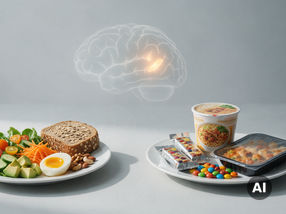 | | Ultra-Processed Foods: The Degree of Processing Affects Metabolism and the Brain ... |
|
| |  | | Blue light could cut food poisoning from raw chicken ... |
|
| |  | | LIVEKINDLY Collective Acquires Dutch Plant-Based Food Manufacturer Dalco ... |
|
|
| | | Ultra-Processed Foods: The Degree of Processing Affects Metabolism and the Brain ... |
|
| | | Blue light could cut food poisoning from raw chicken ... |
|
| | | LIVEKINDLY Collective Acquires Dutch Plant-Based Food Manufacturer Dalco ... |
|
|
|
|
| Most-read news last month | | | Arla is investing more than 63 million euros in the future of high-protein dairy products ... |
|
| | | AI as a Tool in Flavor Research: De Novo Design of Bitter Peptides ... |
|
| | | Energy Drinks: Consumption Is Rising Among Schoolchildren ... |
|
| | | 75 percent of Gen Z buy protein products—social media is driving the trend among Gen Z ... |
|
| | | Electronic nose detects whether meat and fish are still safe to eat ... |
|
|
|
|
|
|
|
|
|
|
 | Always up to date with the yumda.com newsletter | |
|  | | Always up to date with the yumda.com newsletter |
| | |
|
|
|
|
|
Unsubscribe from newsletter
|