AI models aim to predict how food works and tastes
New research group brings multiomics methods to food chemistry
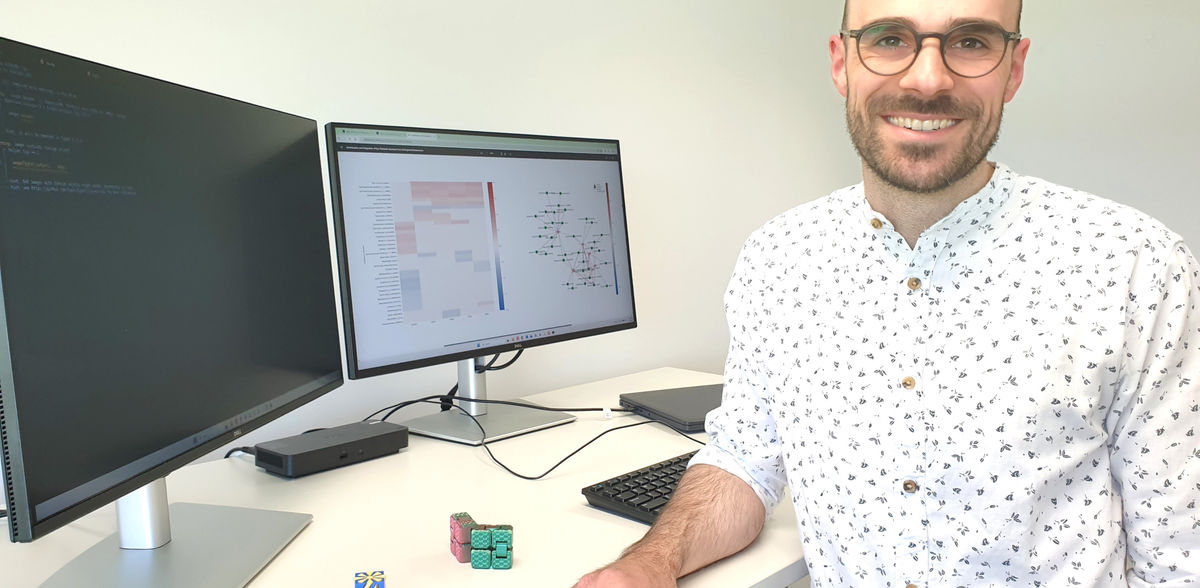
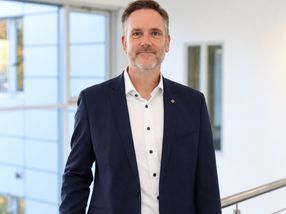
A new junior research group began its work on April 15, 2026, at the Leibniz Institute for Food Systems Biology at the Technical University of Munich. Led by Dr. Nikolai Köhler, the Integrative Food Systems Analysis group is dedicated to developing computer-based predictive models for the sensory and physiological effects of food compound systems.
Integrative multiomics approaches are at the heart of their research. The junior research group is developing new computational methods to integrate and analyze the diverse high-throughput data from food chemistry analyses and biological functional studies. By combining graph theory, statistics, and machine learning, the researchers aim to gain new insights into so-called food compound systems—that is, the interaction between sensory-active and bioactive substances.
Predictive models are key
“Predictive models are key to shaping the transition to data-driven, more sustainable, and efficient food and nutrition systems. I am very excited to be able to make an important contribution to this through my work at the renowned Leibniz Institute,” says group leader Dr. Nikolai Köhler. The long-term goal is to be able to predict, based on food compound profiles, how foods affect sensory perception and what other physiological effects they have in the human body.
Dr. Köhler studied molecular biotechnology at the Technical University of Munich and earned his Ph.D. at the Bavarian Research Institute for Digital Transformation (bidt) as a member of the LipiTUM junior research group. During his doctoral studies, he also completed a research fellowship at Yale University (New Haven, USA). During this time, he focused in particular on computer-aided methods for analyzing metabolites and metabolic networks in the context of systems biology.
He subsequently conducted research at Heidelberg University in the group of Junior Professor Britta Velten (Data Science in Biology), where he further developed machine learning methods for the analysis of spatial omics data.
The research contributes to the overarching mission
The work of the new junior research group contributes to the Leibniz Institute’s overarching mission of establishing a scientific foundation for the development of innovative, sensorially appealing, and sustainably produced foods that promote healthy nutrition. In the future, the methods developed are also intended to be usable by companies and authorities throughout the entire value chain.
“We are delighted to have recruited such a talented and dedicated scientist as Nikolai Köhler to our institute,” says Professor Corinna Dawid, Scientific Director of the Leibniz Institute. With the new Integrative Food Systems Analysis junior research group, the institute is strengthening its unique interdisciplinary research at the interface of food chemistry and biology, chemosensory science and technology, as well as bioinformatics and machine learning.
More Information: In “integrative multiomics approaches,” various “omics” data are analyzed together to gain a holistic understanding of complex biological systems.
The term “omics” refers to different levels of biological information, such as genomics (genes), transcriptomics (gene activity), proteomics (proteins), and metabolomics (metabolic products). In this context, “integrative” means that these data are not considered separately but are linked together.
Using statistics, bioinformatics, and machine learning, this allows for the identification of correlations that would not be visible in individual datasets. In the context of food research, this specifically means, for example, combining chemical analyses of food compounds with biological data from cell or human studies. This enables a better understanding of how food compounds interact, how they influence taste, and what effects they have in the body.
In short, “integrative multiomics approaches” provide a more comprehensive picture of how complex systems function by simultaneously integrating and analyzing multiple levels of data.
Other news from the department science