Over 40 scientists speak out in favor of a sweet drinks tax in Germany
New statement from DDG, DAG and DANK shows: sweet drink taxes have been proven to reduce consumption and sugar intake
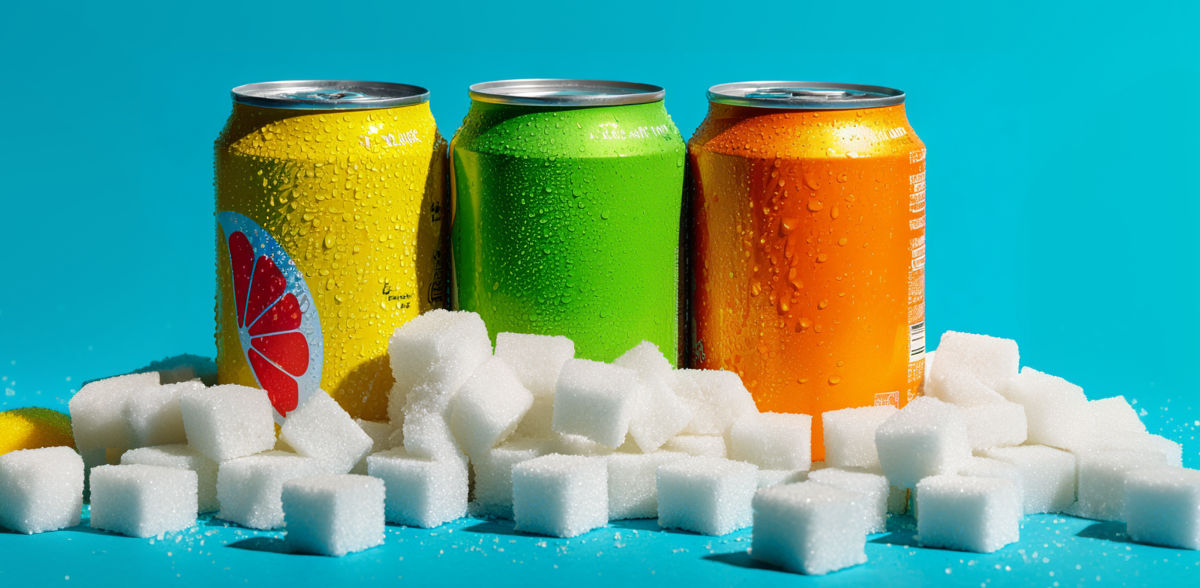
A lack of prevention costs human lives and calls into question the sustainability of a healthcare system financed on the basis of solidarity. The Healthcare Finance Commission therefore recommends the introduction of a sweet drinks tax to stabilize health insurance contributions. In a published statement, more than 40 leading scientists make it clear that sweet drinks taxes are an effective measure for preventing obesity and other diet-related diseases.
The statement classifies the current evidence in light of the ongoing political debate in Germany. It shows: The negative health effects of regular consumption of sweet drinks have been scientifically proven beyond doubt. International experience also shows that appropriately designed sweet drinks taxes effectively reduce the consumption of sweet drinks and sugar intake. An increasing number of studies directly show a reduction or slowing down of the increase in overweight and obesity through sweet drinks taxes.
Barbara Bitzer, spokesperson for the German Alliance for Non-Communicable Diseases (DANK), explains: "Federal Health Minister Nina Warken has already spoken out in favor of the sweet drinks tax, thus demonstrating foresight. Now we are taking the minister at her word. The scientific evidence is clear: it is time to act, now action must follow."
Prof. Dr. med. Matthias Blüher, media spokesperson for the German Obesity Society (DAG) adds: "A quarter of all adults in Germany are obese, and the trend is rising. Obesity can significantly impair people's health and quality of life and causes costs of over 60 billion euros per year in Germany."
Prof. Dr. med. Julia Szendrödi, President of the German Diabetes Association (DDG) explains: "Regular consumption of sugar-sweetened beverages significantly increases the risk of developing type 2 diabetes. Data from other countries show that a sugar tax is an effective instrument. Prevention also starts in the Bundestag: a sugar tax is long overdue!"
Prof. Dr. med. Peter von Philipsborn, lead author of the statement, clarifies: "The incidence of obesity among young adults in Germany has tripled in the last 20 years. A sweet drinks tax alone will not be able to reverse this trend. However, sweet drinks taxes are an important component of a comprehensive prevention strategy."
The statement is supported by numerous other specialist organizations, including the German Society for Nutrition (DGE), the German Society for Nutritional Medicine (DGEM), the German Society for Paediatrics and Adolescent Medicine (DGKJ) and the German Society for Public Health (DGPH).
Note: This article has been translated using a computer system without human intervention. LUMITOS offers these automatic translations to present a wider range of current news. Since this article has been translated with automatic translation, it is possible that it contains errors in vocabulary, syntax or grammar. The original article in German can be found here.
Original publication
Other news from the department science