How realistic does a supermarket need to be?
Study analyses real shops, laboratory supermarkets, online shops and VR environments for consumer studies and highlights important gaps in research
Advertisement


Researchers at the University of Bonn have conducted a review study to examine the methods used to research consumer behaviour in supermarkets.
What is it about?
Researchers from the University of Bonn have taken a comprehensive look at how scientists study consumer behavior in supermarkets. Their review covers everything from real-life grocery stores to lab-based shelves, online supermarkets, and virtual reality environments. The goal: to map which type of supermarket settings researchers use and how they use them to better understand how the context of shopping itself can influence consumer behavior. This, in turn, helps policymakers and businesses to interpret research findings, adapt current strategies, or design new interventions.
How did the researchers proceed?
The team conducted a comprehensive systematic mapping review, analyzing hundreds of studies on food-related consumer behavior. They classified each study according to its supermarket setting, the topic studied (like nutritional labelling or pricing), the behaviors measured (like product choice, attention, or shopping time), the tools used (e.g., eye-tracking), and a number of methodological aspects—whether participants indeed received the products they chose and if they knew they were part of a study.
What is the most important finding?
The review found that real supermarkets remain the most commonly used setting, offering the highest realism but posing challenges for experimental control. However, alternative settings—like lab supermarkets, online experimental stores, and virtual reality (VR)—allow researchers to manipulate the shopping environment and collect precise behavioral data. Some key research gaps emerged: shopping time, spending, and interactions with products are rarely measured, while labels, nudges, and product choice dominate research. Overall, the study highlights the trade-offs between realism and control, and the potential for technology to unlock new insights into consumer behavior.
How and why is the University of Bonn conducting research in supermarket settings?
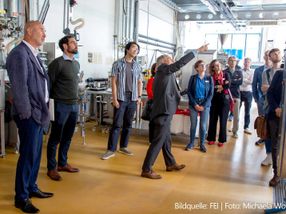
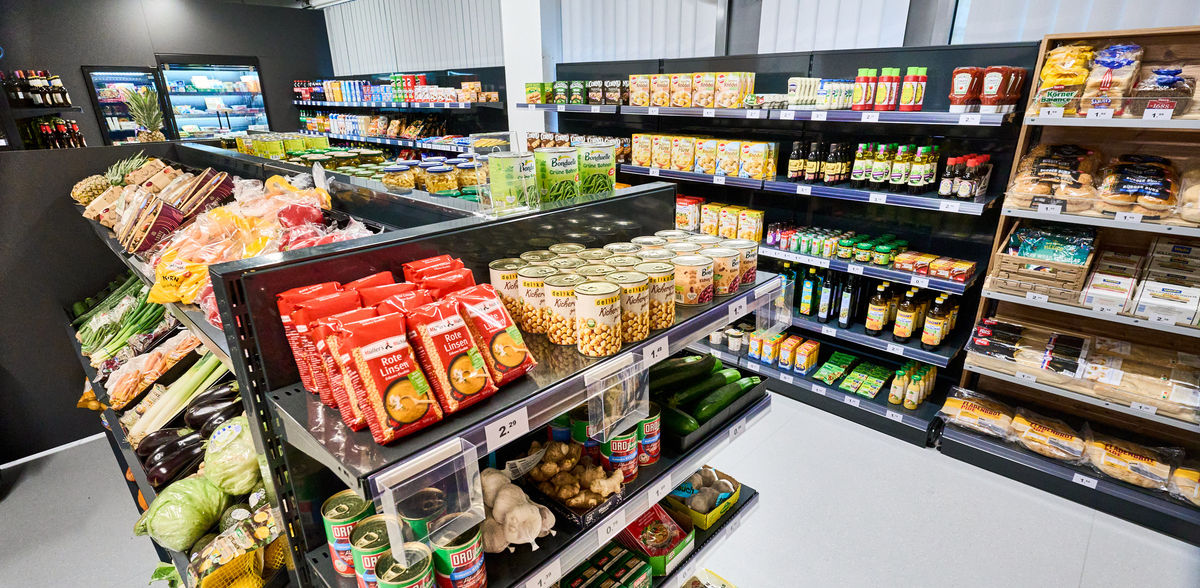
At the University of Bonn, the research team is building on this knowledge through the new laboratory supermarket, a state-of-the-art facility designed to replicate real shopping environments (see https://www.ilr1.uni-bonn.de/lab-supermarket/de). This lab enables researchers to study consumer behavior in a rather realistic setting under controlled conditions. They aim to bridge the gap between experimental results and actual shopping behaviour.
Who was involved?
The team comprised researchers from the University of Bonn, of two research groups of the Institute for Food and Resource Economics: Socioeconomics of Sustainable Nutrition and Agricultural and Food Market Research, together with a researcher from the University of Göttingen.
Original publication


Other news from the department science