Possible lives for food waste from restaurants
Advertisement


More than a third of the food produced ends up being wasted. This situation creates environmental, ethical and financial issues, that also alter food security. Negative effects from waste management, such as bad smells or the emission of greenhouse gases, make the bioeconomy one of the best options to reduce these problems.
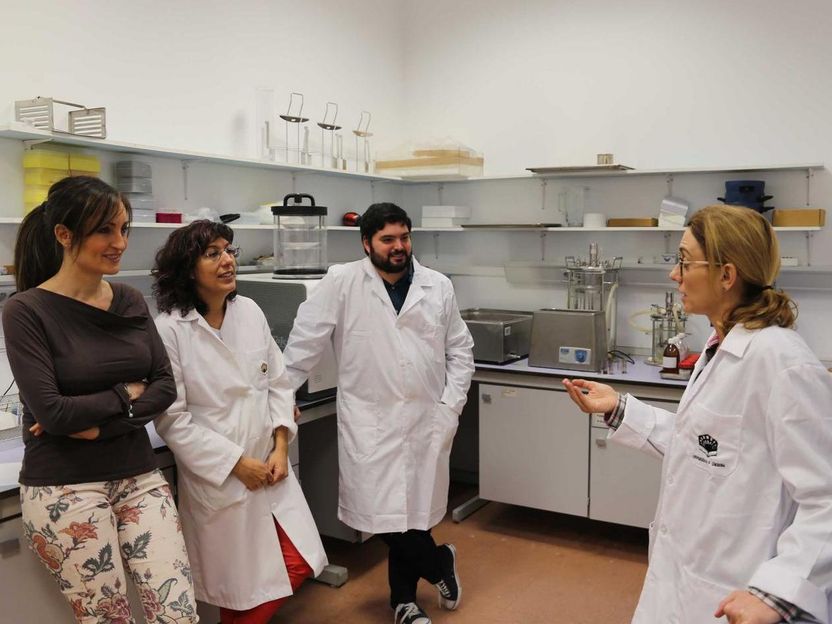
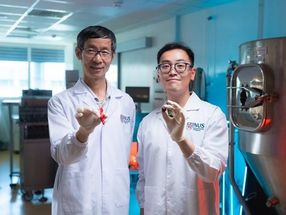
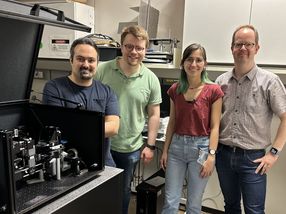
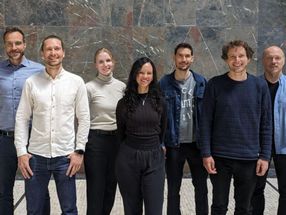
The researcher team at the University of Cordoba
University of Cordoba
Research into the field of the bioeconomy and the search for waste valorization strategies, such as agricultural by-products, is the field of research for the BIOSAHE (a Spanish acronym of biofuels and energy-saving systems) research group at the University of Cordoba. Led by Professor Pilar Dorado, they are now taking a step further: they aim to establish the best valorization paths for restaurant food waste. Among the possible lives for restaurant scraps, they are looking to find which one is most effective and which provides the most value.
Along these lines, researcher Miguel Carmona and the rest of the BIOSAHE group, including Javier Sáez, Sara Pinzi, Pilar Dorado and Isabel López García, developed a methodology that assesses food waste and selects the best valorization path.
After analyzing food waste from a variety of different kinds of restaurants with varying degrees of caliber, the main chemical components were characterized, those being starches, proteins, lipids and fibers. The aim of this process was to find out what amounts of what compounds are held in food waste in order to link it to the best option for its transformation.
Once the chemical compounds of the scraps were identified, a statistical study was performed to analyze the variability (how compounds vary and the amounts of some waste compared to other waste).
Identifying compound typology and variability makes it possible to predict the most optimal valorization process depending on the waste, thus helping industries within the circular economy and the resource valorization sector to make decisions.
In this way, the lives of restaurant scraps can be turned into biodiesel, electricity or bioplastic. Specifically, the project that Pilar Dorado heads is developing a biorefinery that would, just as oil refineries do, generate biofuel, bioplastic, biolubricants and products with added value in the chemical, electrical and heat industries from restaurant food waste. In this project, in addition to the methodology that characterizes scraps and chooses the best paths, they have produced bioplastic that can be used as sutures in surgery procedures.
Original publication
Other news from the department science




Most read news

More news from our other portals




Last viewed contents
Foodservice Delivery in Latin America: The Search for Growth
Coca-Cola turns UEFA EURO 2024TM into a sales highlight - with Coca-Cola Zero Sugar and POWERADE
Sugar intake during pregnancy is associated with allergy and allergic asthma in children

Kellogg's files lawsuit against its striking cereal workers
Food security: Irradiation and essential oil vapors for cereal treatment - A combined treatment of irradiation and essential oil vapors could effectively eliminate insects, bacteria and mold in stored grains
Food in sight? The liver is already active! - Adaptation of the sugar metabolism begins in the brain
QUT develops golden bananas high in pro-vitamin A
Mars: Grant F. Reid decides to hand over the reins as CEO - Poul Weihrauch to take on role from end of September

Zenon as cockpit of key figures for the Smart Factory
NETZSCH invests 50 million euros in the plant centralization in Waldkraiburg - NETZSCH intends to further expand the global market leadership for its pumps
New olive oil created by CSIC helps prevent type 2 diabetes