Fraunhofer turns legume residues into functional dietary fiber
Pea hulls and soy okara can replace up to 25 percent of the flour in baked goods
Advertisement


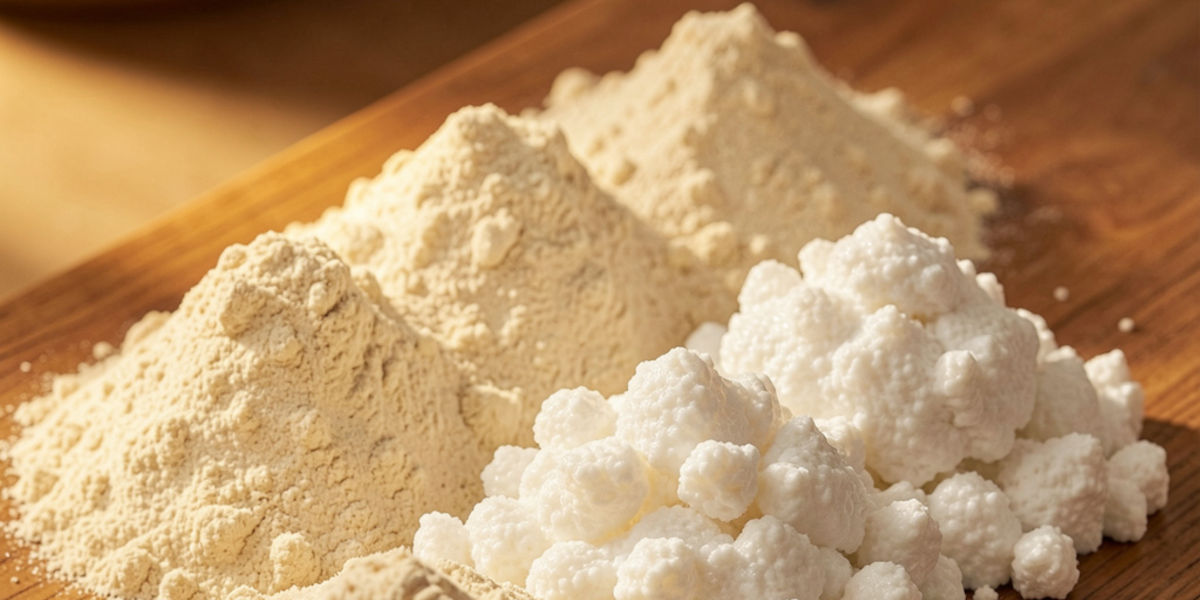
Using a new process, researchers have produced functional dietary fiber from the hulls and residues of peas, field beans, and soybeans. These high-quality dietary fiber preparations have proven effective as additives in cakes or fillings, such as pudding.
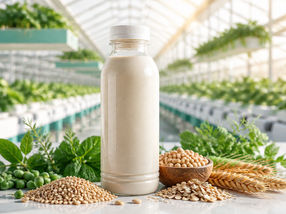
When producing proteins from legumes such as peas and field beans for meat substitutes or soy beverages, the hulls and extraction residues are usually left unused. However, the hulls in particular contain valuable insoluble dietary fiber that can be used in food production after appropriate processing.
Dietary fiber can replace 25 percent of the flour in baked goods
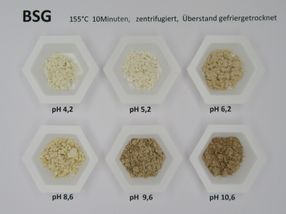
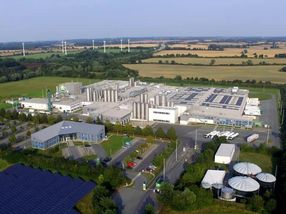
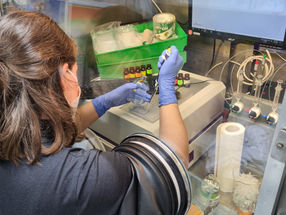
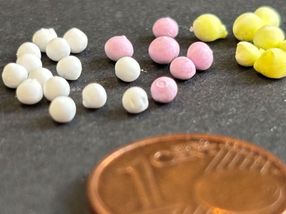
Researchers at the Fraunhofer Institute for Process Engineering and Packaging (IVV) in Freising have now developed a process for producing functional dietary fiber in a storable form from the hulls and residues of peas, field beans, and soybeans. The research team succeeded in developing high-quality dietary fiber preparations for pea hulls and soy okara—a byproduct of soy milk production—using an optimized drying and grinding process. The preparations proved effective as additives for fine baked goods such as cookies, waffles, or cakes, as well as for fillings like pudding. In cakes, for example, up to 25 percent of the flour used could be replaced by the new dietary fiber preparations. These contribute to gut health while also improving food texture.
Cost Advantage of Dietary Fiber from Legume Residues
Another advantage of dietary fiber preparations derived from legume processing is the price: To date, functional dietary fiber preparations have been produced primarily from citrus fibers. While offering the same or even better properties, the dietary fibers developed in the project were significantly cheaper; in some cases, citrus fibers were four times as expensive.
The three-year “LeguFiber” project was funded by the Federal Ministry of Agriculture, Food, and Home Affairs (BMLEH) through the Competence Center for Proteins of the Future at the Federal Office for Agriculture and Food (BLE). The final report is now available online.
Note: This article has been translated using a computer system without human intervention. LUMITOS offers these automatic translations to present a wider range of current news. Since this article has been translated with automatic translation, it is possible that it contains errors in vocabulary, syntax or grammar. The original article in German can be found here.


Other news from the department research and development