Bayer Signs Licensing Agreement with RAGT and Plans to Bring Hybrid Wheat to Market in the Early 2030s
Hybrid wheat is expected to increase yields without requiring more land or resources
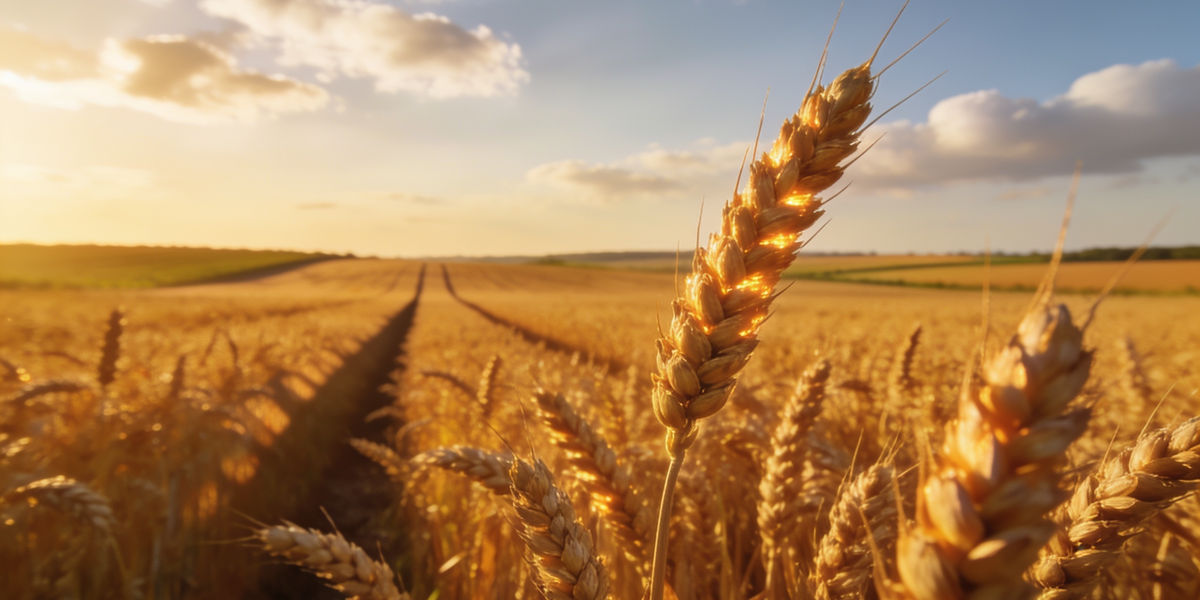
Bayer has entered into an exclusive licensing agreement with RAGT, a leading company in the European wheat seed market. With this move, the company is advancing its plans to launch hybrid wheat seeds simultaneously in Europe and North America in the early 2030s. Hybrid wheat offers significant untapped potential among the world’s most important food crops. Bayer expects annual sales of up to one billion euros by the mid-2040s. With this move, the company is expanding its existing portfolio to include hybrid wheat as an important new business area. It is part of the growth strategy beyond current blockbuster launches.
The agreement with RAGT strengthens Bayer’s position in the European wheat market—it includes comprehensive access to high-performing wheat genetics specifically tailored to European conditions. In doing so, the company is laying the groundwork to further expand its hybrid wheat breeding platform, which was developed through many years of research and development. The goal is to develop innovations that increase productivity and sustainability in agriculture—especially at a time when many farms are facing challenging weather and growing conditions.
“Wheat is one of the world’s most important staple foods. At the same time, wheat production is stagnating and coming under increasing pressure, for example from prolonged droughts and heat waves like the ones we’ve already experienced in Europe this year. However, more robust hybrid wheat varieties are not yet widely available,” says Peter Müller, Head of Cereals, Cotton, Canola/OSR & Biofuels in Bayer’s Crop Science Division. “Our agreement with RAGT will change that. By combining RAGT’s high-performing genetics and know-how with our breeding expertise, we will significantly strengthen and expand our pipeline in the hybrid wheat sector. This will enable us to succeed in a dynamic market and create added value for farmers on both sides of the Atlantic.”
“We are very excited about the potential of this comprehensive licensing agreement with Bayer. It is an important step in our commitment to innovation in wheat breeding,” adds Sébastien Chatre, Head of Research and Development at RAGT. “By sharing our expertise, we can accelerate the development of hybrid wheat solutions that benefit the entire market and meet the evolving needs of farmers and the seed industry.”
For the European market, Bayer will focus on winter wheat. In North America, the company plans to introduce both winter and spring wheat, building on its successful WestBred wheat brand. In both Europe and the U.S., the genetic material has the potential to be used on more than 80 percent of wheat-growing areas. The combination of Bayer’s leading position in wheat crop protection and corresponding customer relationships, access to world-class genetics for Europe and North America, state-of-the-art precision breeding technologies, experience in seed production, and digital and agronomic expertise forms the foundation for a competitive, holistic wheat system for farmers.
Hybrid wheat enables higher yields
Hybrid wheat seed can increase production without using additional land or resources. Even in the early stages of adoption, yield advantages of around 10 percent are expected compared to conventional, open-pollinated wheat varieties, with further continuous increases anticipated thereafter. The plants are more resilient and robust. This is because hybrid wheat is characterized, among other things, by a stronger root system and better plant development, making it more resistant to environmental factors. This is reflected in a potentially higher tolerance to diseases, weeds, and pests, as well as to drought and heat.
Since the potential of hybridization in wheat has hardly been tapped so far, this sector offers significant growth opportunities and can simultaneously contribute to strengthening food security. As the world’s most important food crop, wheat is grown on more than 220 million hectares and contributes to feeding around 30 percent of the world’s population. In light of rising temperatures and increasing drought in many wheat-growing regions, demand is growing for resilient hybrid seeds that enable higher and more stable yields.
Note: This article has been translated using a computer system without human intervention. LUMITOS offers these automatic translations to present a wider range of current news. Since this article has been translated with automatic translation, it is possible that it contains errors in vocabulary, syntax or grammar. The original article in German can be found here.

Other news from the department business & finance