World food: Parasite attack on rice decoded
Microorganism drives the world's most important food plant into cellular self-destruction with fake aspirin
Advertisement


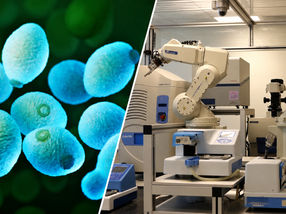
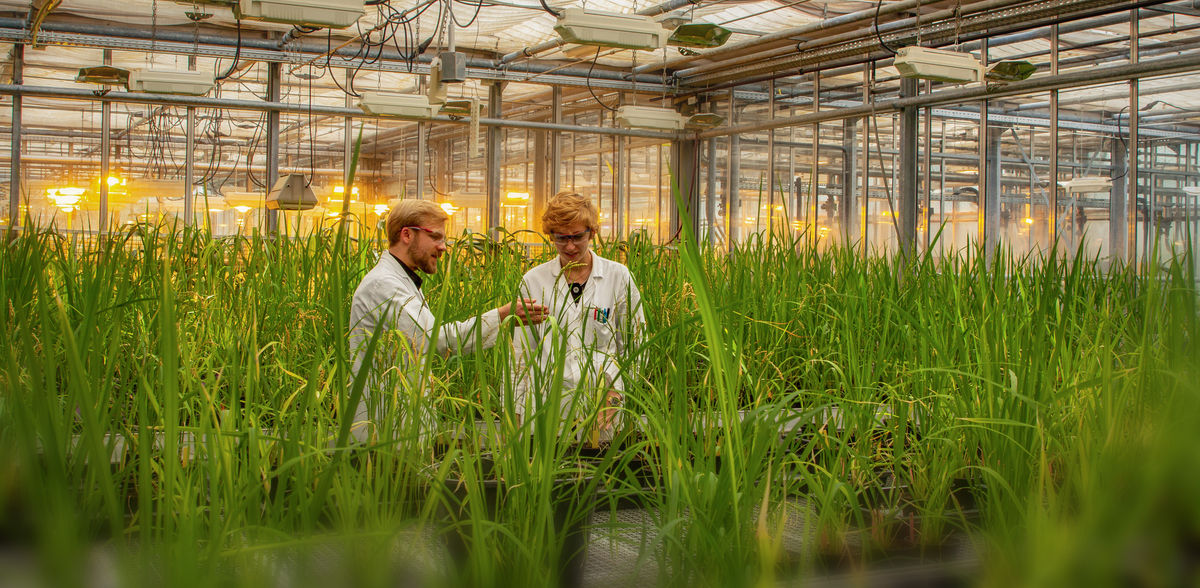
rice is the staple food for around half of the world's population. However, every year a fungal disease - rice blast - destroys harvests that could feed 60 million people. Researchers at the Karlsruhe Institute of Technology (KIT) have now deciphered how the pathogen outwits the defenses of rice plants. The results open up new possibilities for making rice more resistant - with direct implications for global food security.
The rice blast fungus is found in more than 85 countries worldwide. It not only attacks rice, but also other cereals. An infestation spreads rapidly: Within a few days, large areas of dead leaves appear and the plant hardly produces any grains. In Asia and South America, rice blast is therefore as threatening to food security as mildew in cereals or potato blight in Europe.
Kamikaze cell death: How the fungus tricks the plant's immune system
The KIT team investigated how the fungus tricks the plant's natural defenses. Plants do not have antibodies like humans, but have their own very effective immune system. A central component of this is a warning substance called salicylic acid - it is the natural precursor of aspirin. If a plant cell is attacked, salicylic acid triggers an emergency program: The cell dies in a targeted manner, dragging the pathogen to its death and thus protecting the neighboring cells.
When the defense becomes a deadly trap
The rice blast fungus exploits this kamikaze mechanism. It produces a substance called pyriculol, which is chemically similar to salicylic acid. "The fungus sends the plant a fake alarm signal," says Professor Peter Nick from the KIT Botanical Institute. "The plant reacts in panic, switches off important defense reactions and activates self-destructive cell death before the fungus even penetrates." You can imagine it like this: "The fungus administers a kind of false aspirin to the plant. It triggers the cells' self-destructive defense program, but without the actual protective effect."
The fungus benefits twice over
The rice blast fungus benefits twice over from the premature self-destruction of the plant cells: The dead tissue serves as a source of energy for it. At the same time, the false alarm signal suppresses precisely those mechanisms that would normally turn cell death into an effective protective reaction. The nutrients are freely available to the parasite - while the plant's immune response is blocked.
More "cool" rice varieties in future instead of a fatal panic reaction
The researchers also discovered: "There are rice varieties that react less violently to the attack - they remain cool, so to speak," says Peter Nick. These plants remain controlled and can contain the parasitic profiteer. "You could therefore undermine the kamikaze mechanism by neutralizing the panic signal." Varieties with this ability could be specifically bred or increasingly cultivated, suggests Nick.
Significance for food security
The study provides an important basis for better combating rice blast in the future - not only with fungicides, but also through a deeper understanding of plant defense. Regions in which rice is vital for the survival of the population will benefit most from this.
Note: This article has been translated using a computer system without human intervention. LUMITOS offers these automatic translations to present a wider range of current news. Since this article has been translated with automatic translation, it is possible that it contains errors in vocabulary, syntax or grammar. The original article in German can be found here.
Original publication


Other news from the department science