Protein-enriched ketchup gets a boost from algae extracts
A dash of algae protein increases nutritional value while maintaining the popular condiment’s familiar flavor

Advertisement


Added protein is showing up in foods from breakfast cereal to pasta, but not many condiments … yet. Researchers reporting in ACS Food Science & Technology have now developed an enriched tomato ketchup by incorporating protein extracted from algae. A panel of taste testers preferred the recipes containing up to 3% added algal extract, saying the samples maintained the sweet, tangy taste and reddish appearance expected of the condiment.
“We wanted to improve the nutritional value of a widely consumed condiment using a sustainable protein source,” says Parise Adadi, the corresponding author of the study. “Ketchup is familiar, shelf-stable, and suitable for incorporating functional ingredients.”
Although many protein-added foods get the enrichment from whey, pea, or soy sources, Adadi and colleagues wanted to try a potentially more sustainable alternative: microalgae that are rich in protein. “Chlorella vulgaris can be cultivated rapidly throughout the year using comparatively little land and freshwater, making it a potentially more resource-efficient protein source than many terrestrial crops,” says Adadi.
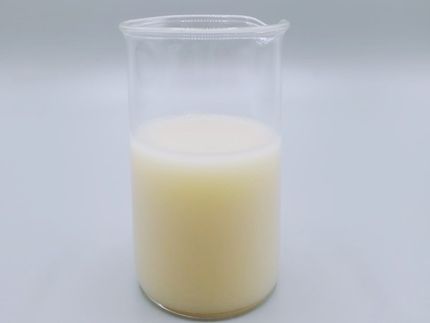
Previously, another research team incorporated algae proteins into vegan seafood mimics, where the microalgae’s fishy taste complimented the squid-ring analogues that they 3D-printed and deep-fried. For ketchup, the challenge was adding algal protein in a way that wouldn’t change the condiment’s distinct flavor.
The researchers accomplished this by extracting the proteins from C. vulgaris. Then they developed ketchup recipes containing 1% to 13% algal protein along with typical ingredients such as plum tomatoes, sugar, salt, vinegar, spices, and citric acid. After they bottled and pasteurized the ketchup samples, including a plain ketchup with no added algae, a panel of 15 people tasted them. The panelists shared that:
-
Samples with 1% and 3% added protein retained the familiar sweet, tangy, and mildly spiced flavor, and had only a subtle algal note.
At 5% and 13% added protein, the algal taste and greenish color became more noticeable, reducing the samples’ acceptability despite the higher protein content.
In addition, compared to the plain ketchup, the samples with 3% and 5% algal extracts contained two to three times more protein, as well as higher amounts of essential amino acids, minerals — particularly sodium and iron — and antioxidants.
These results suggest that a moderate addition of algal protein could appeal to consumers and enhance nutritional value. The researchers’ future work will include larger consumer studies, shelf-life tests, and product development at commercial scales.
Original publication


Other news from the department science