Dietary Supplements in Old Age: When They Help and When They Harm
The Consumer Advice Center of North Rhine-Westphalia warns: Vitamin D can cause kidney damage if taken in excessive amounts
Advertisement


Do Older Adults Need Dietary Supplements?
Three questions for Angela Clausen, Food Team Leader in the Health Market Division at the Consumer Advice Center of North Rhine-Westphalia
In Germany, more and more older adults are turning to dietary supplements in the hope of maintaining their mental and physical fitness. According to the KORA-Age study, 54 percent of women and 34 percent of men in the 65- to 80-year-old age group regularly take dietary supplements. However, many of these products are neither necessary nor safe. Scientific studies show that only a few of these products actually have a demonstrable benefit. Some are even harmful to health. Angela Clausen breaks it down and explains why proper nutrition and a healthy lifestyle often benefit seniors far more.
Why do so many older adults turn to dietary supplements?
Advertising and many influencers play a major role in this, as they promote dietary supplements to older adults as a simple solution to their health issues. These often involve promises like “more energy,” “better memory,” or “greater vitality,” which are particularly tempting as people age. Many seniors want to improve their quality of life in the face of the natural aging process. The problems associated with aging—such as a slowing metabolism or an increase in chronic diseases—make many people receptive to these products. But dietary supplements are not miracle cures. On the contrary: In most cases, a balanced diet is sufficient to meet nutritional needs.
What risks can arise from taking them?
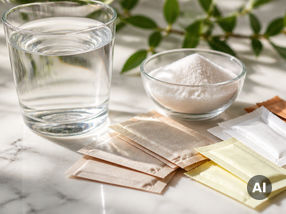
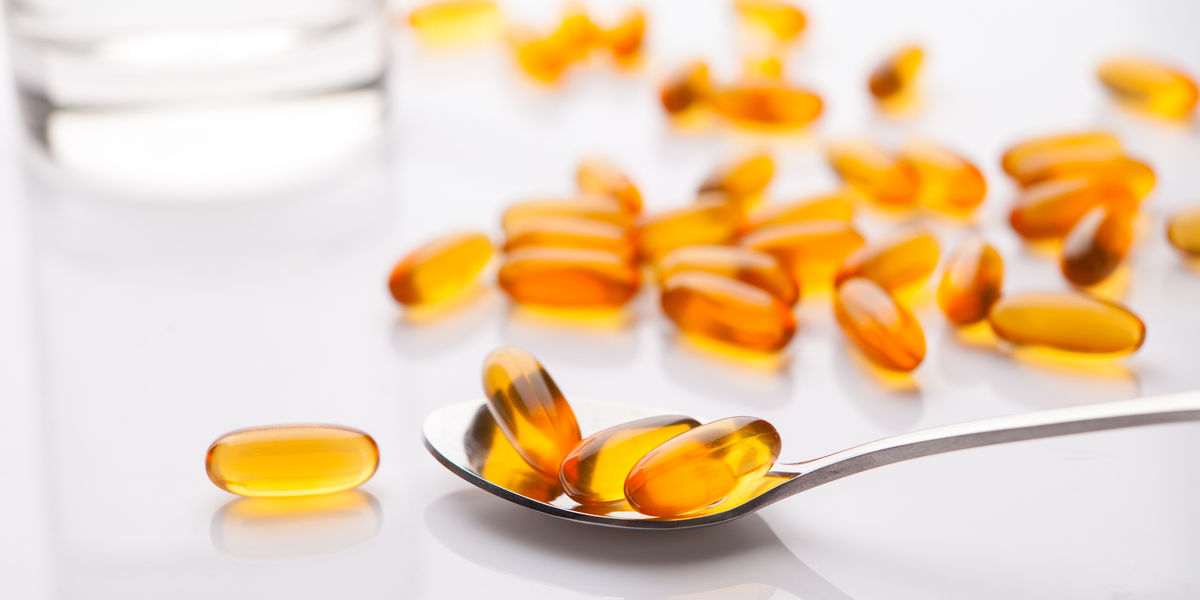
The greatest danger when taking dietary supplements is uncontrolled dosing. After all, more is not necessarily better. Especially with fat-soluble vitamins like vitamin D, an overdose can lead to serious health problems. Too much vitamin D can raise blood calcium levels, which can lead to nausea, vomiting, loss of appetite, and muscle weakness. In extreme cases, kidney stones may form or even severe kidney damage may occur. Taking effervescent tablets also carries risks for some people: They often contain large amounts of hidden sodium—a salt component that can further raise blood pressure in people with hypertension. Potential interactions with medications are particularly critical. This is especially true for dietary supplements containing herbal ingredients. Laboratory test results can also be skewed; for example, taking biotin affects a biomarker for heart attacks.
What helps older adults stay fit and healthy as they age?
The foundation for a healthy lifestyle in old age is a balanced and nutrient-rich diet combined with an active lifestyle. A varied diet ensures an adequate supply of vitamins and minerals—without the need for dietary supplements. Seniors should pay particular attention to vitamin D, vitamin B12, magnesium, iron, folate, and calcium. This is because the body’s production of vitamin D decreases with age—which has negative effects on bone tissue and muscle strength—and the absorption of vitamin B12 may also be reduced. It therefore makes sense to consult with your primary care physician to determine to what extent a change in eating habits or nutritional supplementation is necessary. Calcium is found primarily in milk and dairy products, as well as in calcium-rich mineral waters. Vitamin B12 is found almost exclusively in animal-based foods. Iodine is found mainly in saltwater fish and iodized table salt. Vitamin B6 is provided by whole-grain products, meat, fish, and various nuts. Folic acid is abundant in green vegetables, oranges, tomatoes, whole-grain products, and peanuts. The body produces vitamin D itself through exposure to sunlight, supplemented by fatty fish, egg yolks, and certain mushrooms. Anyone who spends little time outdoors should have their vitamin D levels checked by a doctor. It’s also important to get enough protein. Starting at age 65, the recommended intake increases to about one gram per kilogram of body weight. Regular exercise, adequate sleep, and plenty of time spent outdoors are also helpful and cost nothing. Strength training also helps prevent muscle loss and stimulate appetite.
Note: This article has been translated using a computer system without human intervention. LUMITOS offers these automatic translations to present a wider range of current news. Since this article has been translated with automatic translation, it is possible that it contains errors in vocabulary, syntax or grammar. The original article in German can be found here.


Other news from the department science