The Agroecological Performance of Smallholder Farms
JLU Develops Assessment Tool for Smallholder Agroecology
Advertisement


JLU coordinates the MultiCAS consortium to assess the agroecological performance of agriculture—a “Living Lab” involving community-supported agriculture farms
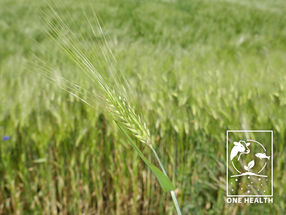
Industrial farms practicing monoculture dominate European agricultural landscapes—with consequences such as the loss of biodiversity and environmental impacts. Small-scale, locally networked farms can counteract this trend and strengthen agrobiodiversity. However, their contribution to agroecological transformation has not yet been sufficiently researched. In the MultiCAS project (“Multi-dimensional performance assessment of complex agroecological systems”), researchers led by Justus Liebig University Giessen (JLU) are developing a multidimensional tool to assess agroecological performance. In doing so, they are taking local ecological, social, and economic conditions into account and will also identify measures to promote agroecological transformation. The Federal Ministry of Research, Technology, and Space (BMFTR) is funding the project, which launched in June, for three years with approximately 330,000 euros; it is co-financed by the European Union (EU) as part of the Agroecology Partnership.
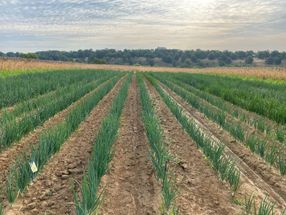
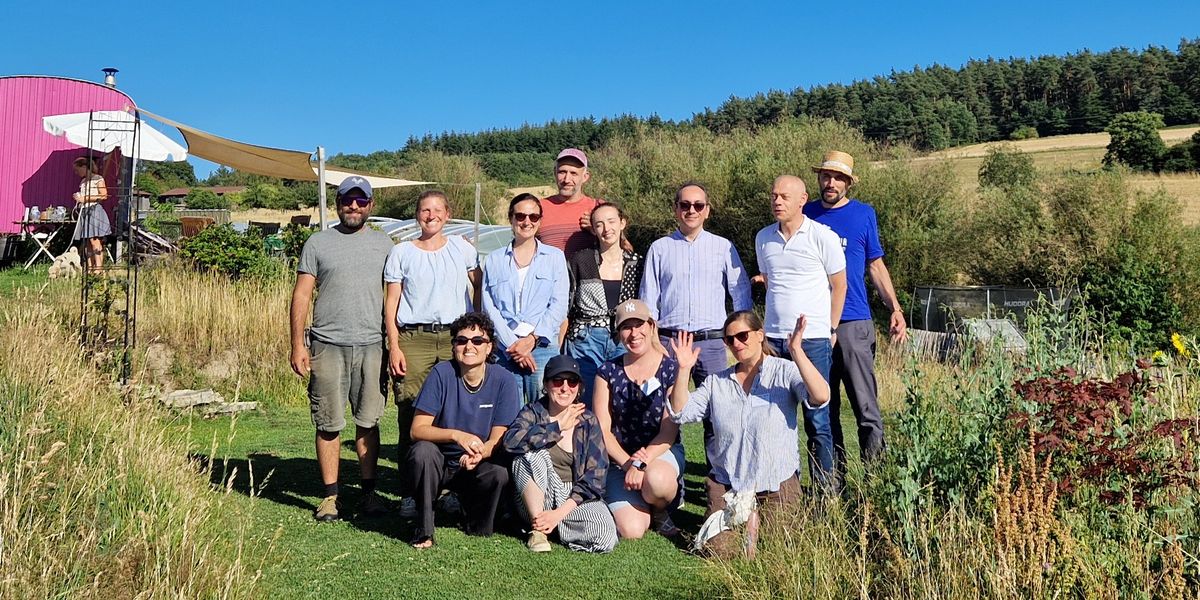
MultiCAS focuses on smallholder farms that are integrated into short food supply chains with close relationships between producers and consumers. The TAPE (Tool for Agroecological Performance Evaluation) assessment tool, developed by the Food and Agriculture Organization (FAO), is being further refined in a practical manner to better adapt agriculture to regional conditions. Through a collaborative process involving the agricultural sector, policymakers, and consumers, so-called “Living Labs” are being established in Germany, Italy, France, Slovenia, and Turkey to serve as testing grounds for practical application. The German Living Lab is being set up by researchers from JLU in Hesse and will include several community-supported agriculture (CSA) farms.
JLU is represented in the MultiCAS project by Dr. Wiebke Niether, Jocelyn Parot, and Anna Schmidt (all from the Chair of Organic Agriculture), supported by the Center for Sustainable Food Systems (ZNE) and its coordinator, Dr. Irina Solovieva. JLU is responsible for the work package that develops indicators for agroecological performance. To this end, the researchers draw not only on scientific findings but also on feedback from partners in the field.
In addition to JLU, which is leading the project, MultiCAS involves the University of Bologna (Italy), the University of Côte d’Azur (France), the International Network for Community Supported Agriculture URGENCI (France), the University of Ljubljana (Slovenia), Cankaya University, and the Four Seasons Ecological Living Association (both in Turkey).
Note: This article has been translated using a computer system without human intervention. LUMITOS offers these automatic translations to present a wider range of current news. Since this article has been translated with automatic translation, it is possible that it contains errors in vocabulary, syntax or grammar. The original article in German can be found here.


Other news from the department science