Study on Dietary Trends: A Drive to Optimize Instead of Real Food
Nearly half of Germans would replace classic items with trendy products
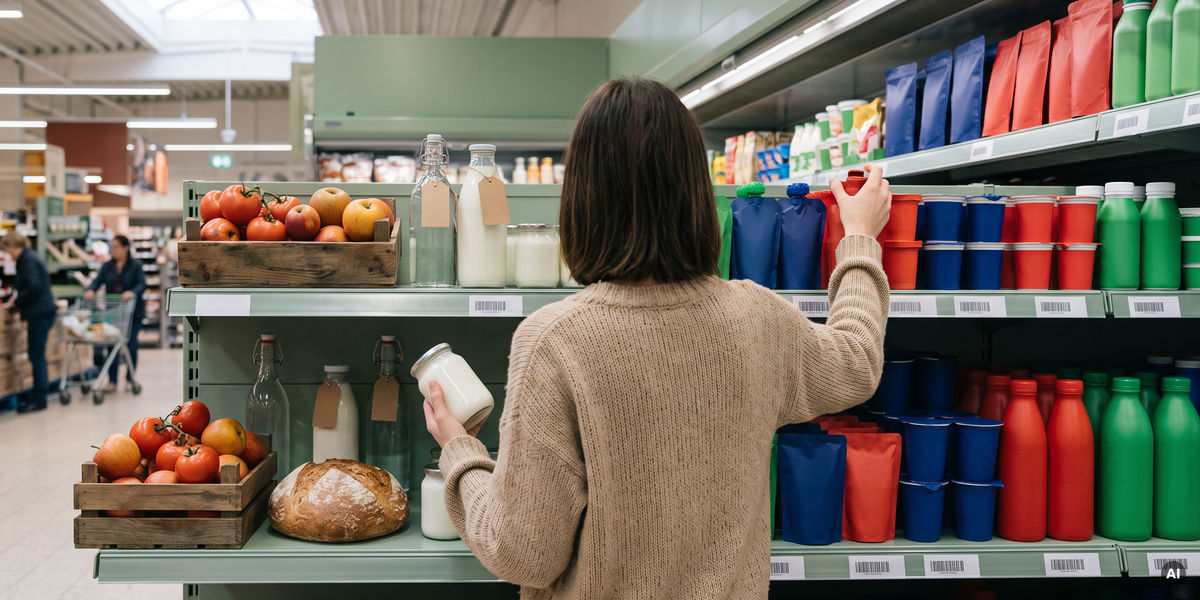
Extra fiber, added creatine, good for muscle maintenance: Is the drive for optimization now pushing classic foods out of the picture? According to the Simon-Kucher nutrition trends Study, nearly half of people in Germany can imagine replacing conventional products with trendy alternatives that offer added benefits. Consumers see the greatest potential in gut health and physical performance. Four out of ten people have already tried a product with added benefits. More than two-thirds are open to paying a premium, and nearly half are even willing to pay up to 20 percent more. Interestingly, taste is twice as important as the specific health benefits. Those who are skeptical, however, are primarily put off by unfamiliar ingredients, exaggerated health claims, heavy processing, and social media hype.
- 40% of Germans can imagine replacing foods with trendy products that offer added benefits
- 40% have already tried a trendy food product with added benefits
- 71% would consider paying a premium for a trendy product with added benefits; 42% would accept a price increase of up to 20 percent
- Potential is cited primarily in the areas of gut health and performance (87% each)
- 55% cite taste and quality as decisive factors; only 23% prioritize specific health benefits
- However, 48% are put off by unknown ingredients; 46% are put off by exaggerated health claims
- Heavy processing (46%) and social media hype instead of credible evidence (44%) are also turn-offs
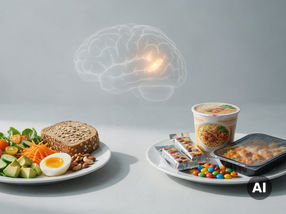
Goodbye nature, hello optimization! According to the Simon-Kucher Nutrition Study, four out of ten people in Germany can imagine replacing traditional foods with trendy products that offer added benefits. Specifically, 40 percent of respondents stated that at least one of the two trendy products examined could replace a product they had previously purchased.
“Why stick with the original when the new version promises more?”
“Protein yogurt, fiber-enriched soda, creatine water—foods with added benefits are taking over the shelves and competing with traditional products,” emphasizes Alexander Bilsing, a partner in the Consumer sector at Simon-Kucher. “Why stick with the original when the new version promises more? When even water suddenly has to do more than just quench thirst, things are getting tight for traditional foods.”
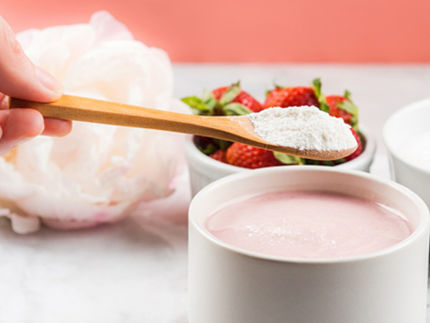
“What sounded like something from the gym yesterday is now on the refrigerated shelf today”
This new reality has long since arrived in German kitchens. Already, 40 percent of consumers have tried a trendy nutritional product with added benefits. “What sounded like something from the gym just yesterday is now on the refrigerated shelf. Products with added benefits have long since become part of everyday life—and are changing what we consider to be a perfectly normal diet,” says Jonas Schwind, Director in the Consumer Sector at Simon-Kucher.
"As soon as a product promises greater well-being, many people are surprisingly willing to spend money on it."
It’s surprising how much people in Germany are willing to spend on foods with added benefits. According to the Simon-Kucher nutrition study, over two-thirds (71 percent) are willing to pay a premium. Nearly half (42 percent) would even spend up to 20 percent more. “A lot more money for a little more health? What used to be considered an expensive extra could soon become the norm at the supermarket!” explains Schwind. “As soon as a product promises greater well-being, many people are surprisingly willing to spend.”
Taste Is Twice as Important as Specific Health Benefits
Customers see the most potential in products for gut health and performance (87 percent each). For more than half (55 percent), however, taste and quality remain decisive factors. Only about a quarter (23 percent) cite specific nutritional benefits as particularly important when choosing a product. “People want more protein, more fiber, and better performance. But if it doesn’t taste good, it stays on the shelf,” says Johannes Ritter from Simon-Kucher’s consumer sector. “Even the biggest health promise won’t save a product that fails the taste test. Health simply doesn’t sell at any price.”
People want added value, but not miracle cures from a TikTok lab
The top barriers to purchasing foods with added benefits: unknown ingredients (48 percent), exaggerated health claims (46 percent), heavy processing (46 percent), and social media hype instead of credible evidence (44 percent). “People want added benefits, but not miracle cures from the TikTok lab. You can’t hype your way to health. If you promise more, you have to prove more,” Bilsing warns the industry. “People want to improve their yogurt, not have to study chemistry. Otherwise, the next superfood will quickly become a slow-moving item on the shelf.”
In-depth information and print-quality infographics (currently available only to media and partner companies) are available upon request. Episode 1 of 2 will be available for download shortly. Interview requests can be submitted now. The press release for Episode 2 on GLP-1-focused nutrition will be published in a few weeks.
About the study: The Simon-Kucher Food Trends Study was conducted in September 2026 by Simon-Kucher in collaboration with the independent market research institute Appinio. 1,500 people from Germany, France, the U.S., and the Netherlands were surveyed on dietary trends, willingness to purchase, and purchasing criteria. This press release refers to the responses of the 334 people from Germany.
Note: This article has been translated using a computer system without human intervention. LUMITOS offers these automatic translations to present a wider range of current news. Since this article has been translated with automatic translation, it is possible that it contains errors in vocabulary, syntax or grammar. The original article in German can be found here.
Other news from the department business & finance