75 percent of Gen Z buy protein products—social media is driving the trend among Gen Z
A SINUS study shows that eight out of ten 14- to 28-year-olds consider a balanced diet important. TikTok and Instagram are their main sources of information.

German Gen Z wants more functionality in their diets without committing to strict diets. 75 percent say they buy foods that are advertised as being high in protein. Sweden has been following an established, educational concept of nutritional balance—the “plate model” (tallriksmodellen)—for over 30 years, and German consumer behavior is, in part, following the Swedish trend.
The trend in Germany is clearly emerging: consumers are looking for foods and beverages that combine taste, health, and functionality. On social media, there is a growing desire for a more nuanced view of nutrition, and many Germans are increasingly moving away from rigid dietary rules such as low-carb diets or time-restricted eating. This opens up opportunities for Swedish food companies that are pioneers in sustainable and innovative food production.
A study by YouGov shows that German consumers are now more deeply engaged with their diets than ever before. Forty-seven percent are interested in nutrition and actively seek out information. Sugar-free and reduced-sugar products, protein-enriched foods, and non-alcoholic alternatives are clearly trending. This shift is also evident in how young people seek out and consume information—primarily through social media. A German SINUS study confirms that eight out of ten people aged 14 to 28 consider a healthy and balanced diet important. Three out of four are interested in relevant information and feel relatively well-informed. Social media is a key source of information, including on the topic of nutrition. The study recommends, above all, short videos on TikTok, Instagram, and YouTube to reach the target audience. Additionally, 75 percent of Gen Z say they buy foods with added protein—among baby boomers, this figure stands at 28 percent.
In practice, the picture is a pragmatic one: Young people in Germany combine home-cooked meals with convenience foods, and the majority eat meat at least some of the time. At the same time, protein has become a clear selection criterion when shopping for food. The Swedish market has long been familiar with this dietary style: In Sweden, kvarg (fresh curd cheese), cold cuts, and crispbread have always been a natural part of the breakfast and snack table—as an obvious combination of protein, satiety, and simplicity, long before the “balanced plate” became a buzzword in the German nutrition debate. This parallel, coupled with the tendency of German consumers to model their behavior on Swedish consumption patterns, gives Swedish food companies a significant head start as the German market moves in this direction.—a reason for the German food industry to take a look at Sweden.
The number of vegetarians among young people in Sweden is declining—German Gen Z is following suit
The fact that more and more young people in Germany are living as vegetarians or vegans might give the impression that meat is becoming obsolete. That is not entirely true: the eating habits of young Germans are evolving in two directions at the same time. In 2025, 20 percent of 14- to 29-year-olds reported following a vegetarian or vegan diet, while 27 percent ate meat or processed meats daily or several times a day—the highest proportion among all age groups. This points more toward a more flexible, less dogmatic market in which the food industry should offer both plant-based and animal-based products to meet the demand for taste, functionality, health, and sustainability. For Scan, Sweden’s leading meat and sausage company, this new attitude means integrating meat into a balanced daily diet through clear origin labeling, nutritional information, and ongoing sustainability innovation.
“In recent years, we’ve observed a significant shift in young people’s perception of meat: more and more see it as an important source of protein and associate it with health and well-being. At the same time, the somewhat polarized debate of a few years ago has given way to a more nuanced approach that focuses on balance and the bigger picture,” says Maria Dundeberg, VP Commercial at Scan.
The statistics support this assessment: 54 percent of young Swedes say that meat has a positive effect on health, while 9 percent see a negative effect. The proportion of those who eat beef several times a week or daily has risen from 57 percent (2018) to 78 percent (2026), while the proportion of young people who are strictly vegetarian has fallen from 9 percent to 3 percent since 2019. Today’s young generation has grown up during a time of financial crises, a pandemic, and geopolitical uncertainty. This has influenced how they view the world and also how they view nutrition. Instead of ideological dietary identities, there is an increasing emphasis on foods that work in everyday life: nutritionally sound, economical, and practical. This is shown in a report by the Swedish industry organization Svenskt Kött.
Bread and meat are no longer the enemy
What’s emerging isn’t a new diet, but a more relaxed “plate model.” According to Men’s Health Germany magazine, the major protein trend in 2026 is no longer about eating “as much protein as possible,” but rather about distributing it more evenly across the day’s meals. Classic staples like bread, wraps, and muesli are being fortified with protein rather than eliminated, and protein is increasingly being consumed through regular foods rather than shakes and supplements. The nutrition advice website Fitnessfloor paints a similar picture, recommending that every main meal begin with a protein source such as yogurt or kvarg, supplemented by bread, potatoes, or whole grains—with the clear caveat that highly processed products should remain the exception. As one of Sweden’s largest and best-known family-run bakeries, Polarbröd is observing how demand for bread is changing in Sweden.
“There has long been a demand for innovation, quality, and sustainability in the Swedish food market. Now we’re seeing growing demand for healthy and balanced grab-and-go products like our classic Polarklämma when it comes to refueling on the go. In terms of exports, we’re seeing the market for quick meals grow, and our breads are in demand among European sandwich manufacturers,” says Rikard Höög, Brand Manager for Exports at Polarbröd.
Sweden is relevant as a potential test market for German players. The YouGov Nordic Food & Health Report 2026 shows that consumption of high-protein products in Sweden has risen by 177 percent since 2022. At the same time, McKinsey’s German “Future of Food” study describes protein products as a sector in which the German market still has a more limited selection. This suggests that similar consumer needs can emerge in markets at different stages of maturity and that it makes sense for the German food industry to look to Sweden when assessing its own market trends.
The trend is clear: younger generations in Germany want a balanced diet that focuses on balance rather than extreme diets and restrictions. The German food industry can stay one step ahead of upcoming consumer trends by observing how the Swedish food industry has addressed the challenges posed by this new perspective on balanced nutrition.
Note: This article has been translated using a computer system without human intervention. LUMITOS offers these automatic translations to present a wider range of current news. Since this article has been translated with automatic translation, it is possible that it contains errors in vocabulary, syntax or grammar. The original article in German can be found here.

Other news from the department business & finance

















Most read news








More news from our other portals



























Last viewed contents
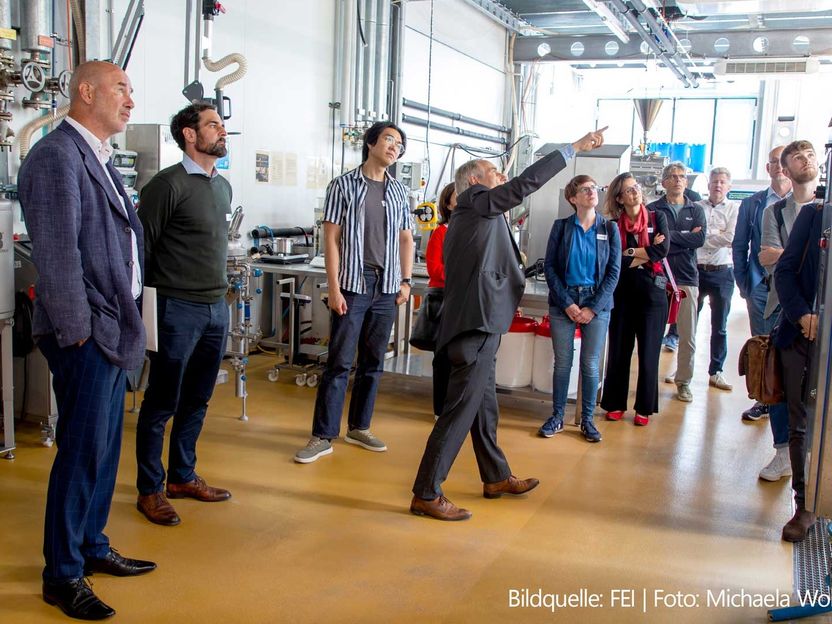
FEI Research Report: University of Hohenheim Once Again Leads in Food Research - 21 percent of all ongoing FEI projects are based in Hohenheim. The Technical University of Munich ranks second with 33 projects