Conscious, sophisticated enjoyment outlasts the quick rush
BOAR Gin® demonstrates that a decline in alcohol consumption can also offer opportunities for producers of high-quality spirits
Interest in alcoholic beverages has been on a noticeable decline in Germany for several years now. This applies equally to all types, including spirits. Although they only account for around 10% of pure alcohol consumption, there has been a drastic decline in individual varieties. After a welcome boom for producers in the second half of the 2010s, the market trend has also affected gin for several years. After sales tripled between 2014 and 2021, they have also declined significantly since then. Despite this trend, which may seem worrying for producers at first glance, selected success stories such as that of the BOAR Distillery in the Black Forest prove that gin should not be pronounced dead and, on the contrary, can write international success stories under the right conditions.
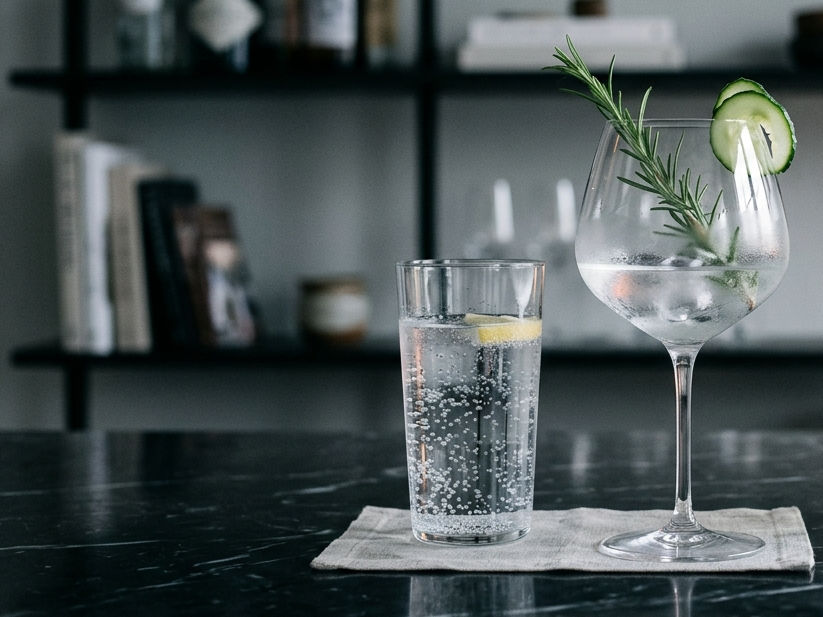
Symbol image
AI-generated image
Less is more: quality over quantity
A closer look at the statistical development reveals one particularly striking fact: although the quantity of spirits consumed per capita is declining, the turnover achieved with products such as gin remains largely constant. The logical conclusion from this is that although people are drinking less, consumers are spending just as much more on what they are drinking. This is not simply due to an increase in price, but a measurable sign of premiumization: numerous studies show that consumers are enjoying more responsibly and drinking less or less often. However, when they do reach for a glass, they opt for high-quality products and premium brands from the upper price segment. Even among younger consumers, who are showing a clear trend towards abstinence overall, it can be observed that, for example, they are no longer drinking "wildly mixed drinks", but are limiting their choice to one or two drink categories per occasion. Here, gin can continue to hold its own alongside other classic spirits.
Traditional craftsmanship pays off
As in the entire food and luxury food segment, there is also growing consumer interest in local, regional and handcrafted products in the spirits segment. High-quality, locally produced products are generally regarded as more sustainable and responsible, which for many consumers also justifies higher expenditure coupled with more cautious consumption. Metaphorically speaking: Those who prefer to buy their vegetables at the local weekly market, their meat from a regional producer and their coffee from a small private roastery are also happy to opt for selected gin specialties from a small distillery. Producers such as BOAR Distillery in the Black Forest, which cater to this trend and impress with exclusive premium products, are able to successfully buck the general market trend.
Creativity and innovation open up new markets
When it comes to spirits, there is also a demand for products that impress through the quality of their ingredients as well as through expertise and care in a production process that is not purely industrial. The development of new products and the targeted further development of established products offer new opportunities here. New flavors, supposedly unconventional ingredients, particularly sophisticated artisanal processes and even a creative and high-quality brand design: a product is successful if it tells a story that arouses interest and excitement.
However, it is also worthwhile to think outside the box. In the case of spirits, this means being unfaithful to the actual meaning of the word and expanding the range with non-alcoholic versions of popular drinks.
A sober view of success
The younger generation in particular is increasingly losing interest in alcohol intoxication. Overall, consumers are already taking a much more responsible approach to alcohol in general and high-proof spirits in particular. Health aspects are usually at the forefront here. At the same time, however, it would be too short-sighted to reduce alcohol consumption as a whole to an interest in getting drunk. Classic spirits such as gin, especially in the form of popular mixed drinks and cocktails, are primarily consumed for their special taste. In order to combine these two aspects, a sense of responsibility and enjoyment, producers such as BOAR Distillery in the Black Forest are also focusing on new non-alcoholic versions of their classic products.
Even if the demand for non-alcoholic spirits is currently still low compared to their alcoholic counterparts, studies are forecasting a rapid increase in sales in this category worldwide in the coming years. This will come true above all if manufacturers succeed in convincing consumers with their quality and taste. Alcohol-free gin, for example, should not be presented as a modification of the actual product, but as an independent product with the same craftsmanship and quality standards.
Note: This article has been translated using a computer system without human intervention. LUMITOS offers these automatic translations to present a wider range of current news. Since this article has been translated with automatic translation, it is possible that it contains errors in vocabulary, syntax or grammar. The original article in German can be found here.
Other news from the department business & finance