Bitter Tasting Herbal Extracts Stimulate Gastric Cells
Extracts of masterwort, juniper, sage, and yarrow showed the strongest effects
Advertisement


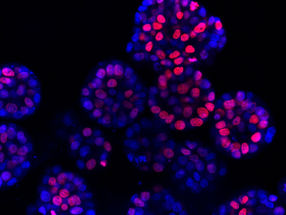
Bitter-tasting herbal extracts have traditionally been used to support digestion, yet the molecular basis of their effects has remained largely unclear. The Leibniz Institute for Food Systems Biology at the Technical University of Munich has now gained new insights into this mechanism. Using a cellular model, its researchers demonstrated that herbal extracts can stimulate proton secretion in human gastric cells as key mechanism of gastric acid production, with combinations of extracts showing particularly strong effects. Extracts rich in polyphenols proved especially potent. The study further identified three human bitter taste receptor subtypes as key mediators of this response.
The researchers investigated a commercially available herbal preparation commonly used to alleviate digestive complaints. The formulation consists of extracts from nine plants and is characterized by a pronounced bitter taste. Based on this, the scientists hypothesized that the bitter compounds it contains, including polyphenols, not only activate bitter taste receptors in the mouth, but also stimulate gastric acid secretion through extraoral bitter taste receptors located in the stomach. Roughly 25 different human bitter taste receptor subtypes are known.
Four herbal extracts found to be especially effective
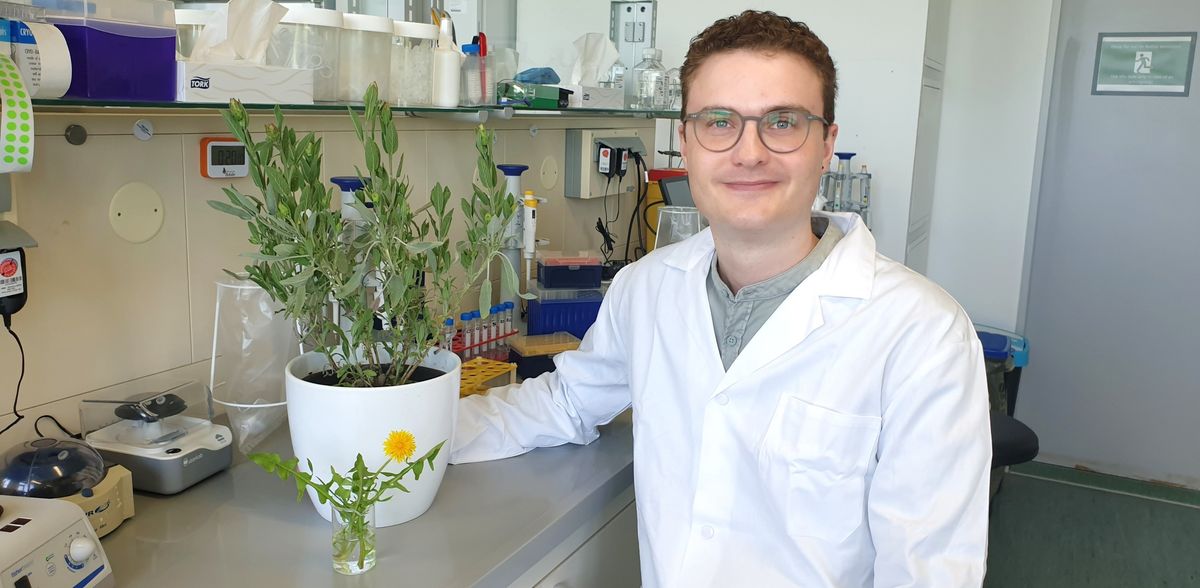
To test this hypothesis, the research team led by first author Phil Richter and principal investigator Veronika Somoza analyzed both the effects of individual plant extracts and three different extract mixtures using a cell-based testing system. Their experiments revealed that several extracts, especially those from masterwort, juniper, sage, and yarrow, enhanced proton secretion in human gastric cells. In contrast, extracts from plants such as dandelion and gentian did not produce significant effects within the tested concentration range of up to 300 micrograms per milliliter.
The study also found that extracts with particularly high polyphenol levels exerted the strongest stimulatory effects. The researchers therefore propose that these phytochemicals may play an important role in promoting gastric acid secretion. Additional molecular biology analyses further indicated that the bitter taste receptors TAS2R4, TAS2R5, and TAS2R39 are involved in mediating the observed increase in proton secretion.
Variety is key
“Comparing the different extract mixtures yielded particularly interesting results,” explains Phil Richter. “The combination containing all nine plant extracts produced the strongest stimulation of cellular proton secretion. In contrast, the mixture composed of the four most active individual extracts showed a considerably weaker effect, while the blend of the five least active extracts triggered only a slight increase in proton secretion.”
According to the researcher, the findings indicate that cellular response emerges through the interaction of multiple compounds that enhance one another’s effects. “Our data suggest that several bitter taste receptor types are activated simultaneously,” says Phil Richter. “Apart from polyphenols, other plant constituents are also likely to contribute to this synergistic effect”, adds Veronika Somoza.
The study therefore offers a potential molecular explanation for why bitter-tasting herbal preparations have long been regarded as digestive aids. By activating bitter taste receptors in the stomach, these compounds may directly stimulate gastric acid secretion and thereby support digestive processes. The results also indicate that complex herbal mixtures can, in some cases, be more effective than isolated extracts.
At the same time, Veronika Somoza, head of the Metabolic Function & Biosignals research group at the Leibniz Institute, cautions that the findings are currently based on cell culture experiments. Future clinical studies will be necessary to determine whether comparable effects occur in humans. Nevertheless, the researcher believes that the new insights could help guide the development of more targeted herbal formulations in the future.
Original publication


Other news from the department science