How digital services are changing eating habits and research is tackling it

Eating is much more than mere dietary intake these days. In large cities, in particular, delivery services, digital services, and social media influence which types of foods are visible, available, and appealing. The research project “NutriAIDE” at the Centre for Climate Resilience at the University of Augsburg has researched these developments based on the example of the middle-classes in Indian cities, as well as in Mexico, and developed an app-based service to support healthier and more sustainable food choices. The project has been successfully completed, with the initial results now available. Further data will be scientifically evaluated and published.
The research focuses on the question of under what conditions people make food choices, and how these conditions can change so that healthier and more environmentally friendly options are easier to choose. This means considering all factors that have an influence on everyday life: the supply of food and its availability, advertising, social expectations, and digital communication.
When “outside foods” become part of everyday life
A key finding of the accompanying scientific study is the trend of so-called “outside foods,” by which is meant food that is commercially prepared outside of the household, such as in a restaurant, at a food stand, or via a delivery service. What is important here is not the place at which the food is eaten, but rather the place at which it is prepared. The research papers on the project showed how such forms of consumption, in particular in India and Mexico, are connected to social expectations, digital platforms, and changing everyday routines. This was based on 53 interviews in Hyderabad and Mérida, among other things.

“Digital platforms shape food choices more than many people realise. They influence what is visible, what is conveniently available, and what is considered desirable. That is why we have to understand food choices in the context of their interplay with the city, everyday life, and digitalisation,” says Dr Merle Müller-Hansen from the Chair of Urban Climate Resilience, who worked closely on the project.
Digital habits can strengthen unhealthy patterns
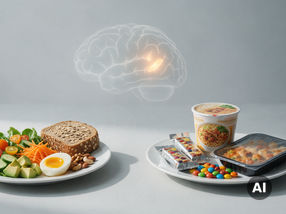
The project setting revealed a mixed picture. Many users connect digital services with the hope of better information about healthy nutrition. Simultaneously, 70% of those surveyed, who because of online delivery services had noticed changes in their food choices, admitted that since then they have eaten more unhealthily. Against this background, the app developed in the project aims to provide an alternative to many market-driven services: it aims to provide scientifically sound and reliable guidance.
An app that does not count calories
The “NutriAIDE app” should support users in documenting, evaluating, and changing their eating habits step by step in various everyday situations. The aim is to help people transition from highly processed foods high in sugar, salt, and fat to nutritious, locally produced, and predominately plant-based foods. The app does not consider calories, but rather the nutritional quality of the food and its environmental impact and should help people in making more sustainable choices.
Transdisciplinary development and the key role played by the University of Augsburg
The project combines nutritional science, geography, psychology, as well as research on sustainability, health, and climate resilience. The app is being developed and tested together with the Indian software partner Calvry Wellness Solutions Ltd. The joint project is funded by the German Federal Ministry of Agriculture, Food, and Regional Identity. Alongside the University of Augsburg, project participants include the Wuppertal Institute, the ICMR National Institute of Nutrition, and the German Institute of Human Nutrition Potsdam-Rehbruecke, among others.
The University of Augsburg has taken on a central role in the project. It is responsible for management and coordination and analyses the relationship between consumers’ spaces of activity, their eating habits, and their state of health. This knowledge should help to develop and test an app-based approach to nutrition-related changes in urban metropolitan areas.
For Prof. Dr Markus Keck, Head of the Chair, one thing is clear: “The project combines health research, climate resilience, and digital innovation there where choices are made on a daily basis. Our aim is to present scientific findings in such a way that people can make realistic changes to their habits and cities can be healthier and more sustainable in the long-term.
Why research in India and beyond is important
The scientific literature consistently shows that eating habits in urban areas are rapidly changing. Digitalisation can accelerate this development and simultaneously contribute to changing norms, offerings, and everyday practices. The project makes this dynamic visible and with the app delivers an approach that should make making informed decisions easier. After the completion of the project, the findings will be further evaluated and published in academic journals.

Other news from the department science