AI & big data: research team improves predictions for ‘tailor-made’ wheat
AI model increases wheat yield by almost four decitons per hectare
Advertisement


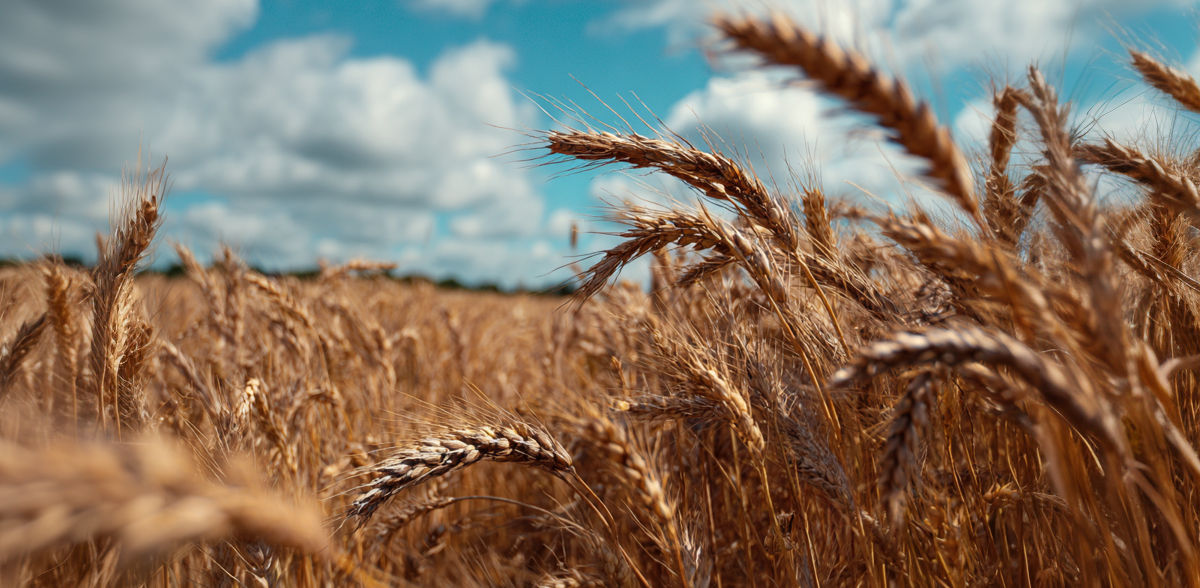
Climate change with changing growing conditions also poses ever new challenges for breeding. One important aspect of this is to take local environmental conditions into account. An international team led by the IPK Leibniz Institute has used AI and big data to develop a new method to determine winter wheat varieties that are optimally adapted to specific locations. The results of the study were recently published in the journal "Genome Biology".
The interaction between genotype and environmental conditions is particularly important for the performance and yield of a plant. For example, a wheat variety can achieve a high yield in one location. However, it may perform worse at another location with different conditions. The environment affects the performance of the genotype. Given the increasing diversification of growing environments, in times of climate change it becomes crucial to deliver varieties that are tailored to local conditions. Therefore, the IPK research team focused on investigating the interactions between genotype and environment and predicting yields for individual locations with the highest possible accuracy.
The scientists first analyzed large amounts of winter wheat data. This involved collecting yield data from more than 13,200 genotypes (lines and hybrids) that were grown and tested at 31 different locations in Central Europe between 2010 and 2022. This phenotypic data was combined with genomic data (approx. 10,000 genetic markers) and environmental information (such as daily temperatures and precipitation). From this, the researchers developed and compared various prediction models, including traditional statistical models as well as artificial intelligence methods such as deep learning. The IPK research team used the best model to predict the performance of a reference group of wheat lines in all 117 environments tested and to identify environmentally adapted varieties.
"Our study shows that the interactions between genes and environmental conditions are the key to significantly better yield predictions," explains Abhishek Gogna, first author of the study. The prediction of the environment-specific performance of new hybrids could be improved by up to 23 percent by including the interaction of genotype and environment. This is comparable to buying a new suit. Instead of a standard model that fits on average (traditional prediction), you get a customized model that is tailored exactly to your personal body shape (environmentally adapted prediction).
By specifically selecting the best ten percent of environmentally adapted genotypes, the yield was increased by almost four decitons per hectare compared to selection based on average performance. "This additional yield corresponds to the success of up to twelve years of conventional breeding progress in Germany," says Prof. Dr. Jochen Reif, head of the "Breeding Research" department at the IPK. "This shows that there is enormous, previously hidden yield potential in the breeding programs that can be exploited." The great relevance of the results for practical plant breeding is also underlined by the participation of KWS SAAT SE & Co KGaA in the study.
Note: This article has been translated using a computer system without human intervention. LUMITOS offers these automatic translations to present a wider range of current news. Since this article has been translated with automatic translation, it is possible that it contains errors in vocabulary, syntax or grammar. The original article in German can be found here.
Original publication


Other news from the department science











Most read news







More news from our other portals



















See the theme worlds for related content
Artificial intelligence (AI) for food and beverages
Artificial intelligence (AI) is optimizing the food and beverage industry through automated quality control and more accurate demand forecasting. AI plays a particularly important role in product development by analyzing taste preferences and market trends. This allows new products to be developed that are better tailored to consumer needs, increasing efficiency and customer satisfaction.

Artificial intelligence (AI) for food and beverages
Artificial intelligence (AI) is optimizing the food and beverage industry through automated quality control and more accurate demand forecasting. AI plays a particularly important role in product development by analyzing taste preferences and market trends. This allows new products to be developed that are better tailored to consumer needs, increasing efficiency and customer satisfaction.