What can a healthy frozen pizza look like?
"ProBallast" project works on high-fiber ready meals
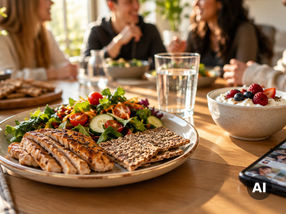
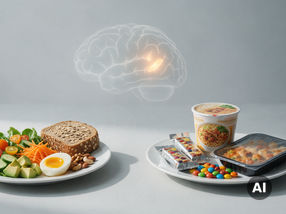
When it comes to a healthy diet, the focus is on fiber in addition to protein. They are filling, good for the intestinal microbiome and keep blood sugar levels constant. However, they are often barely contained in ready meals. In the "ProBallast" project, researchers at Bremerhaven University of Applied Sciences are looking for ways to increase the fiber content in these foods. To this end, they are working together with the University of Göttingen and various commercial enterprises. Together with Ökofrost GmbH, they will be presenting initial results on the development of a frozen pizza at this year's BIOFACH from February 10 to 13 in Nuremberg.
High-fiber nutrition is currently a trending topic on social media under the term "Fibre Maxxing". Tips on which foods are particularly suitable for this can be found on many accounts. In doing so, they are addressing a long-standing nutritional problem: Many people consume too little fiber, even though it has numerous positive effects on health. "Hardly any other element is rated as unreservedly positive in nutritional research as a high fiber content. They keep you feeling full for longer and reduce the risk of type 2 diabetes mellitus, lipometabolic disorders, colon cancer and cardiovascular disease," says Dipl.-Ing. Kirsten Buchecker, who heads the "ProBallast" project at Bremerhaven University of Applied Sciences. It therefore makes sense to increase the fiber content of ready meals by using whole grain cereals or field bean flour, for example. Side streams from production, such as the husks of pulses or fruit pomace, can also be used as a source of fiber. This would enable a more sustainable use of raw materials in food production, as less waste would be produced. The aim is to achieve a fiber content of at least three percent. Ideally, however, it can be increased to six percent. The product could then be described as "high in fiber" under German food law.
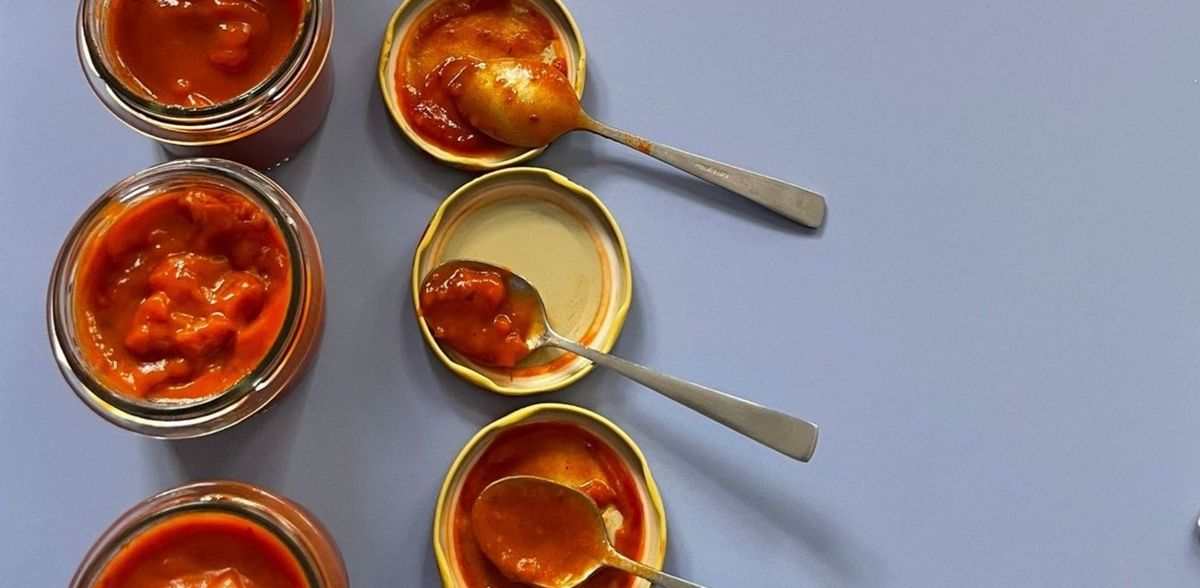
Over the past few months, the Bremerhaven project team has been working on recipes for frozen pizza. They had to deal with the special features of the various raw materials. These are particularly noticeable in the tomato sauces. "Depending on the fiber we used, the consistency of the sauce changes. It becomes thicker or thinner. This not only provides a different mouthfeel, but also has an influence on the filling. We also noticed differences in the color and taste of both the dough and the sauces," explains Buchecker. These factors can influence consumers' purchasing behavior. Product developments are therefore accompanied by sensory expert evaluations and sensory consumer tests are carried out. Ökofrost GmbH is involved in the project as a practice partner. The company's aim is to develop frozen pizza and other organic frozen products based on the scientific findings and the results of the Bremerhaven University of Applied Sciences and the University of Göttingen, which will then actually be launched on the market
The ProBallast project will run until 30.12.2027 and is funded by the Federal Agency for Agriculture and Food. During the project period, work will continue on other products such as canned soups, crackers and vegetable balls.
Note: This article has been translated using a computer system without human intervention. LUMITOS offers these automatic translations to present a wider range of current news. Since this article has been translated with automatic translation, it is possible that it contains errors in vocabulary, syntax or grammar. The original article in German can be found here.
Other news from the department science








These products might interest you