Yellow natural pigments from light and CO2
A sustainable alternative to synthetic food colourings: “Cyanobacteria offer enormous potential for climate-friendly biotechnology”
Advertisement


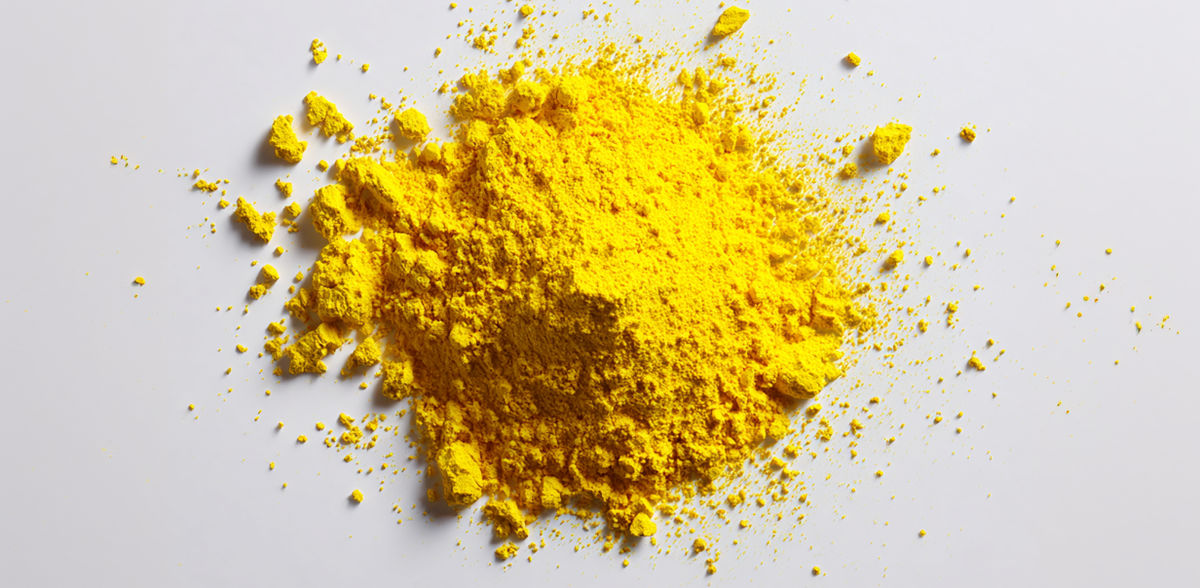
Researchers at Friedrich Schiller University Jena have succeeded in producing yellow natural pigments from carbon dioxide and light energy. To achieve this, they used cyanobacteria into which genes from beetroot were introduced. As the team reports in the scientific journal Metabolic Engineering, the sustainably produced natural pigments, which have antioxidant properties, can be used in food products and cosmetics.
Sustainable pigments instead of synthetic additives
“There is a growing trend in the demand for food colourings away from synthetic dyes and towards natural alternatives,” explains Julie Zedler, Junior Professor of Synthetic Biology of Photosynthetic Organisms at the University of Jena. This trend also makes the yellow and orange pigments from the betaxanthin group attractive, which until now have been obtained from plants. “However, extracting pigments from plants competes with food production. We therefore need alternatives in order to produce these natural pigments in a controlled and sustainable manner,” Zedler continues. Together with the University of Copenhagen, she has therefore developed an alternative production system based on cyanobacteria.
Production using only light and carbon dioxide
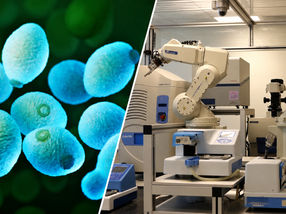
To this end, the researchers selectively transferred genes from beetroot (Beta vulgaris) into the photosynthetic bacterium Synechocystis. “Unlike established biotechnological processes using yeasts or bacteria, our cyanobacteria essentially function as small, solar-powered factories,” Zedler explains. “They use light to convert carbon dioxide directly into high-value natural pigments – entirely without the addition of sugars or amino acids.”
Through targeted metabolic modifications and optimised cultivation conditions, the researchers were able to significantly increase pigment yields. Ultimately, they achieved approximately a 165-fold increase in pigment production compared with the initial experiments. “This is an important step towards scalable and sustainable production for industry,” Zedler adds.
Relevance for nutrition and the environment
“Betaxanthins are not only colourants; they also act as antioxidants,” Zedler adds. “They could therefore replace synthetic additives in food products while simultaneously offering nutritional benefits.” In the long term, the researchers also see potential applications in food packaging and cosmetics.
The work also highlights the strength of the University of Jena in the field of microbial and synthetic biology. “Cyanobacteria offer enormous potential for climate-friendly biotechnology,” says project leader Prof. Dr Julie Zedler of the University of Jena.
Award for early-career researcher
For her research, the first author of the study, Sayali Hanamghar, was also awarded first place in the University of Jena’s 2025 “Three Minute Thesis” competition. In the competition, she presented her doctoral project to a broad audience in just three minutes.
Original publication


Other news from the department science