Wild garlic: beware of confusion
Toxic doubles of wild garlic can have fatal consequences if eaten
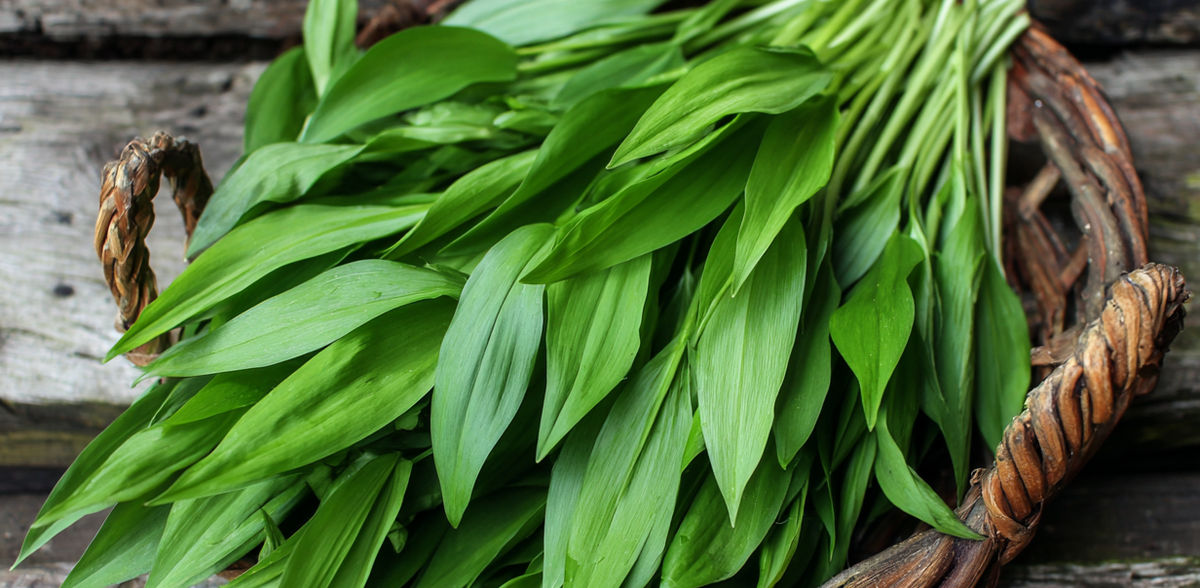
Wild garlic is a wild plant that has become increasingly popular in the kitchen in recent years. Its fresh leaves are suitable as an ingredient for herb quark, soups, sauces or salads. Due to the great popularity of this spice plant, more and more people are going into the forest to collect the tasty leek plant themselves. For many, the wild garlic season begins when the spring days in April become sunnier and warmer and the plants give off their characteristic scent. "The garlicky smell is a typical distinguishing feature of wild garlic. Nevertheless, collectors often confuse the plant with poisonous lookalikes such as lily of the valley or autumn crocus," says Dr. Yuri Bruinen de Bruin, head of the National Poison Register specialist group. Such mix-ups repeatedly lead to cases of poisoning, some of which are fatal.
Wild garlic (Allium ursinum), also known as wild garlic, grows in herb-rich, shady and nutrient-rich deciduous and mixed forests as well as in parks and riparian forests. In spring, two lush green, lancet-shaped leaves sprout from the small bulbs, which can be used in the kitchen. However, the young leaves are similar to those of the poisonous lily of the valley (Convallaria majalis) and the very poisonous autumn crocus (Colchicum autumnale). Many years of documentation by the Poison Information Centers (GIZ) and the Federal Institute for Risk Assessment (BfR) show that confusion repeatedly leads to adverse health effects, sometimes with serious consequences. In April and May in particular, there is an increase in cases of poisoning throughout Europe, especially in Austria, Switzerland and Croatia, but also in Germany.
The BfR therefore advises collectors to refrain from eating wild garlic if in doubt. To distinguish wild garlic from poisonous lookalikes, it is usually sufficient to rub a piece of leaf between your fingers. If you don't smell the garlic odor typical of wild garlic, you should leave the herb lying around and wash your hands thoroughly immediately. But even this test is not without risk: if the smell of leeks from a previous sample is still on your hands, this can lead to a false result. Wild garlic collectors should therefore know the plant and all its properties well in order to be able to distinguish it from poisonous plants.
However, there is a way to avoid the risk of poisoning without having to give up wild garlic. More and more food markets are offering wild garlic from controlled cultivation. It is also possible to buy plants from specialist shops or grow them yourself on the windowsill or in the garden.
Note: This article has been translated using a computer system without human intervention. LUMITOS offers these automatic translations to present a wider range of current news. Since this article has been translated with automatic translation, it is possible that it contains errors in vocabulary, syntax or grammar. The original article in German can be found here.
Other news from the department science











Most read news











More news from our other portals





























See the theme worlds for related content
Topic world Food safety
Food safety is at the heart of the food and beverage industry. It ensures that the food we eat every day is not only nutritious, but also free of harmful contaminants. From field to plate, the industry monitors and regulates every step of the process with strict quality controls, advanced testing methods and continuous research.
Topic world Food safety
Food safety is at the heart of the food and beverage industry. It ensures that the food we eat every day is not only nutritious, but also free of harmful contaminants. From field to plate, the industry monitors and regulates every step of the process with strict quality controls, advanced testing methods and continuous research.