Research aims to make bread more climate-friendly without sacrificing quality
FutureWheat project aims to show how baked goods can be made with less fertilized grain
Advertisement


How can bread and rolls be produced in an even more climate-friendly way in the future without compromising on quality? This question is the focus of the FutureWheat research project led by wheat expert Professor Friedrich Longin from the University of Hohenheim in Stuttgart. The aim is to produce high-quality baking wheat with less fertilizer and pesticides under increasingly variable cultivation conditions. Scientists from the University of Hohenheim and the Max Rubner Institute (MRI) are working on this together with partners from agriculture, breeding, milling and the baking industry. On March 17, 2026, the researchers received the funding decision for 1.5 million euros from Federal Minister of Agriculture Alois Rainer. The project is directly linked to the nationwide "Baking Wheat" initiative.
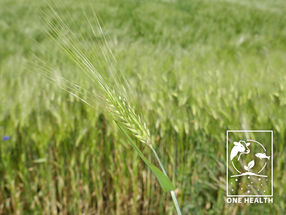
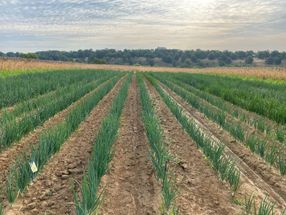
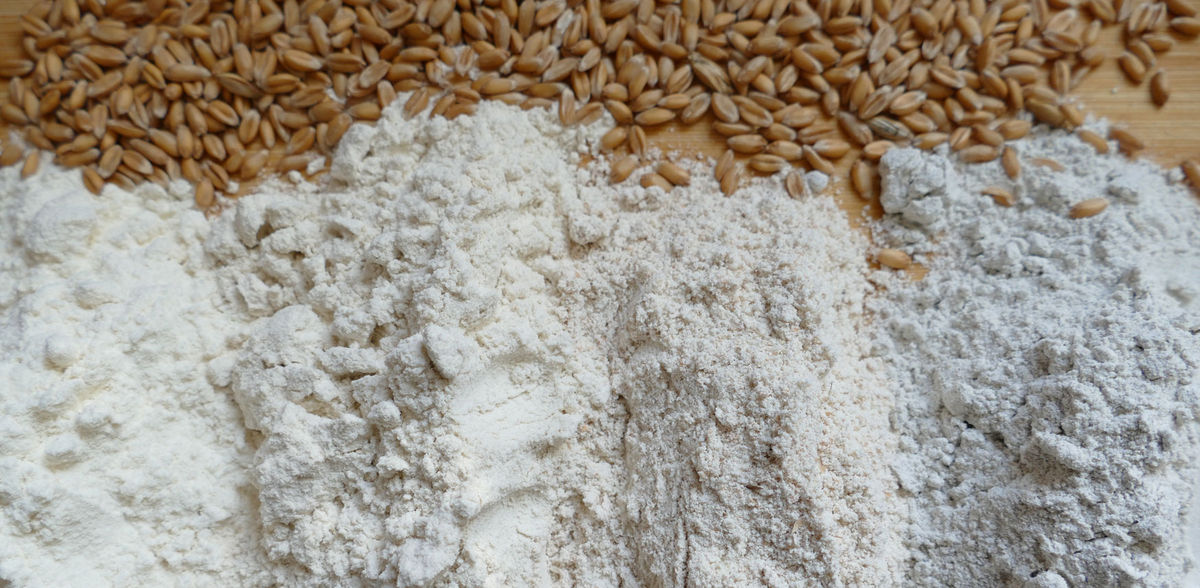
Wheat is the most important type of grain for bread and baked goods in Germany. Wheat is grown on around three million hectares in the country. However, the framework conditions for cultivation are changing significantly. Climate change as well as reductions in nitrogen fertilization and the use of pesticides can lead to greater fluctuations in yields and quality.
It is a political and social goal to counteract climate change. One measure is to reduce nitrogen fertilization. This is because the production of nitrogen fertilizer is very energy-intensive and fertilization releases large quantities of climate-damaging gases. Unused nitrogen in the soil can also be washed out by rain into bodies of water in the form of nitrate.
For this reason, representatives of the entire baking wheat value chain signed a declaration in Berlin in 2024 together with the BMLEH to reduce greenhouse gas emissions in the cultivation and processing of baking wheat.
Climate protection starts in the wheat field
Scientists from the University of Hohenheim and the Max Rubner Institute are working on the question of how this can be achieved in the FutureWheat project led by Professor Longin. Their aim is to find ways of producing wheat with stable baking and nutritional quality under resource-conserving cultivation.
To this end, the researchers are investigating which varieties handle nitrogen particularly efficiently, how the quality changes under different environmental conditions and how these properties can be used in a targeted manner.
"For example, it is known that less nitrogen fertilizer and less use of agrochemicals leads to lower yield per area and in some cases reduced protein content," explains the wheat expert. "But we don't know what effects this has on baking quality, the amino acid spectrum and nutrients such as minerals and fiber."
Good baking quality even with less fertilizer - and less protein?
Until now, the quality of baking wheat has often been assessed based on the protein content in the grain. However, a higher protein content is often achieved through more intensive nitrogen fertilization. In the FutureWheat project, the researchers therefore want to improve and expand the evaluation of the baking quality of wheat. Instead of just looking at the amount of protein, they are focusing on protein, starch, dough and baking quality.
The aim is to identify wheat varieties that deliver stable baking quality and high yields even with lower nitrogen fertilization. This could reduce the need for nitrogen fertilization without bakeries and customers having to compromise on the quality of bread and other baked goods.
"We will also develop new tests for dough and baking quality to take account of the changes in baking methods in bakeries. In addition to the well-known importance of protein quality, we also want to take a closer look at starch properties," says Professor Mario Jekle from the Department of Plant-Based Foods at the University of Hohenheim.
Modern sensor technology and artificial intelligence recognize grain quality
A key aim of the project is to significantly speed up the assessment of the dough and baking quality of wheat. Currently, many analysis methods are time-consuming and cost-intensive. At the same time, however, the choice of variety and grain quality determine at an early stage how well the wheat can be processed later on.
"This is why it is so important to know the actual processing quality of the harvested batches immediately after harvesting," explains Dr. Alexandra Hüsken, project manager at the Max Rubner Institute in Detmold. "With this information, grain traders and mills could better separate the different qualities at the grain reception stage."
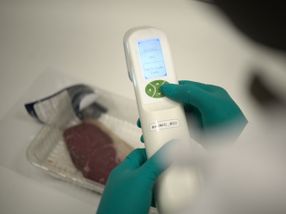
The researchers at the Max Rubner Institute are therefore using modern sensor technology, image analysis and artificial intelligence and machine learning methods to develop new rapid tests. Ideally, these should work in a similar way to the current rapid test for protein content, but predict the variety and important dough and baking qualities directly.
"In our opinion, the combination of wheat varieties with high baking quality with limited fertilization and their separation along the value chain is one of the most important levers for further reducing greenhouse gas emissions from baking wheat," adds Dr. Hüsken.
Finding stable wheat varieties for changing environmental conditions
In addition to analyzing quality characteristics, FutureWheat is investigating the extent to which environmental conditions influence the performance of different wheat varieties. Weather extremes, changing precipitation patterns and different soil properties can have a significant impact on yield and baking quality.
The researchers from the State Seed Breeding Institute (LSA) at the University of Hohenheim use extensive data sets from variety tests and additional practical trials and combine these with weather and soil data. "With the help of modern statistical models and machine learning, we can analyze which environmental factors have a particularly strong influence on yield and baking quality," explains Dr. Patrick Thorwarth, Head of the LSA.
This allows us to identify varieties that reliably deliver good yield and baking results over several years and at different locations, even under varying cultivation conditions. These findings are important both for breeding programs and for agricultural businesses. They help to better adapt the choice of varieties to regional conditions and ensure stable yields and reliable quality in the long term.
Contribution to climate protection and food security
In the long term, the results of FutureWheat can contribute to the further development of the evaluation of baking wheat. "Instead of relying exclusively on individual key figures, more comprehensive combinations of characteristics could be used in the future that reflect both the performance level of a variety and its stability under different conditions for the entire value chain and can be measured quickly," says wheat expert Longin.
This would benefit everyone involved in the value chain. Breeding companies receive new criteria for the development of high-performance varieties. Farmers will have a better basis for making decisions when selecting varieties. Mills and bakeries can use raw materials in a more targeted manner and ensure consistent product properties.
Note: This article has been translated using a computer system without human intervention. LUMITOS offers these automatic translations to present a wider range of current news. Since this article has been translated with automatic translation, it is possible that it contains errors in vocabulary, syntax or grammar. The original article in German can be found here.


Other news from the department science