Good Friday fish in the sustainability check
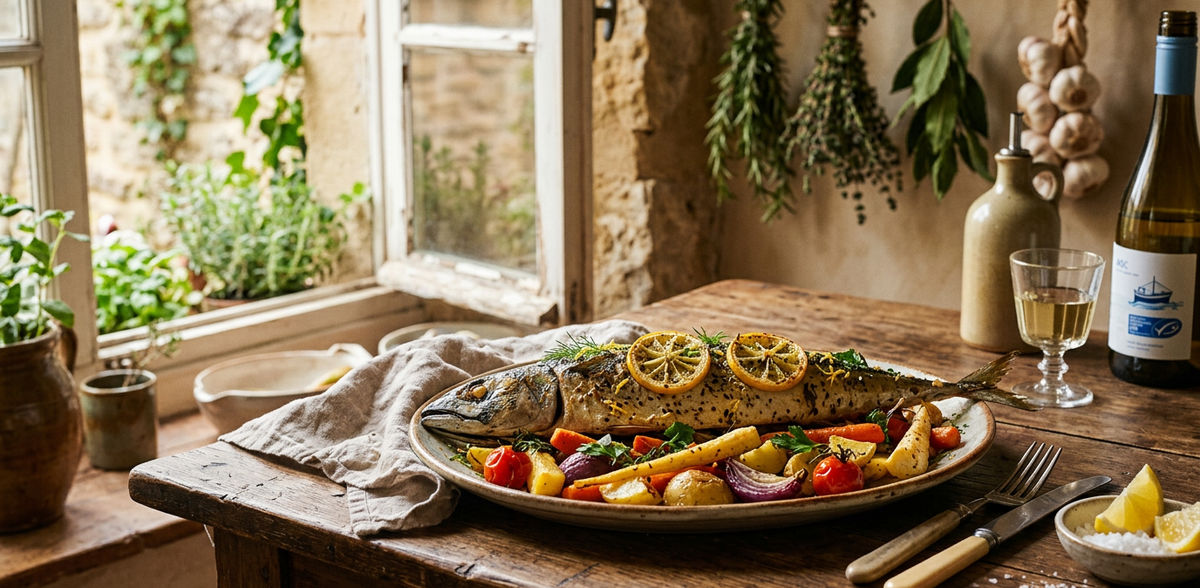
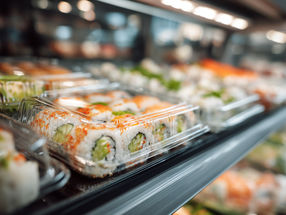
Easter is just around the corner - and with it a culinary tradition that is firmly anchored in many households: fish on Good Friday. But in view of overfishing and endangered seas, more and more consumers are asking themselves: Is it even possible to eat fish today with a clear conscience?
"Yes - but consciously, in moderation and preferably from environmentally friendly fisheries," says Gerlinde Geltinger from the Marine Stewardship Council (MSC), an international non-profit organization that awards the blue seal for ecologically sustainable fishing.
What many people don't know: The fish on our plates rarely comes from local waters. "Around 90 percent of the fish consumed in Germany is imported," explains Geltinger. Fish and seafood are among the most traded foods in the world - and the supply chains are correspondingly complex. This makes transparent and reliable labels that provide information on origin and environmental compatibility all the more important.
In principle, fish can be a comparatively climate-friendly source of animal protein. Wild fish in particular is considered ecologically beneficial, as it is a naturally renewable resource and does not require land, fertilizer or additional feed. "However, fish consumption is not automatically sustainable," emphasizes Geltinger. The decisive factor is how and under what conditions the fish is caught or produced.
However, this is difficult for consumers to assess. Ecologically sustainable fishing is complex - simple black and white statements fall short. Fish stocks of the same species can vary greatly in their condition from region to region, as can the effects of fishing methods. Reliable certifications that test according to scientific criteria therefore provide orientation.
Fish labeled with the MSC seal comes from a healthy fish stock. The marine environment is polluted as little as possible during fishing. The MSC assessment is carried out by independent experts on the basis of extensive ecological criteria. "It is important for credible certifications that those who set the rules are not the same people who check compliance," says Geltinger.
There would therefore be no reason not to keep the Good Friday tradition of eating fish if you pay attention to certified, environmentally friendly origins when buying fish. It would also make sense not only to focus on predatory fish such as tuna, salmon and cod, but also to pay more attention to species at the lower end of the food chain. "These grow back faster, require fewer resources and at the same time relieve the pressure on the heavily fished stocks of large predators," recommends Geltinger. On the website Sustainable Recipes | Marine Stewardship Council you will find a large selection of recipes with MSC-certified fish. There is something for every taste.
Note: This article has been translated using a computer system without human intervention. LUMITOS offers these automatic translations to present a wider range of current news. Since this article has been translated with automatic translation, it is possible that it contains errors in vocabulary, syntax or grammar. The original article in German can be found here.

Other news from the department business & finance