Spelt, emmer and einkorn - the term "ancient grain" is misleading
Gluten risk due to unclear labeling
What do people in Germany eat and how well are they supplied with important nutrients? Reliable information on the nutritional situation of people in Germany is particularly important for politicians and scientists. With the National nutrition Monitoring, or nemo for short, the Max Rubner Institute is therefore conducting a comprehensive nationwide survey of the food consumption of the German-speaking population from April onwards. More than 3,000 people between the ages of 18 and 80 will be interviewed and examined. The survey is being carried out on behalf of the Federal Ministry of Agriculture, Food and Home Affairs and serves, among other things, as a basis for food policy decisions.
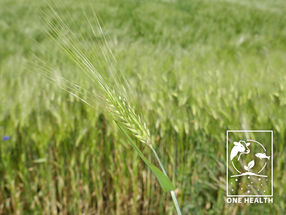
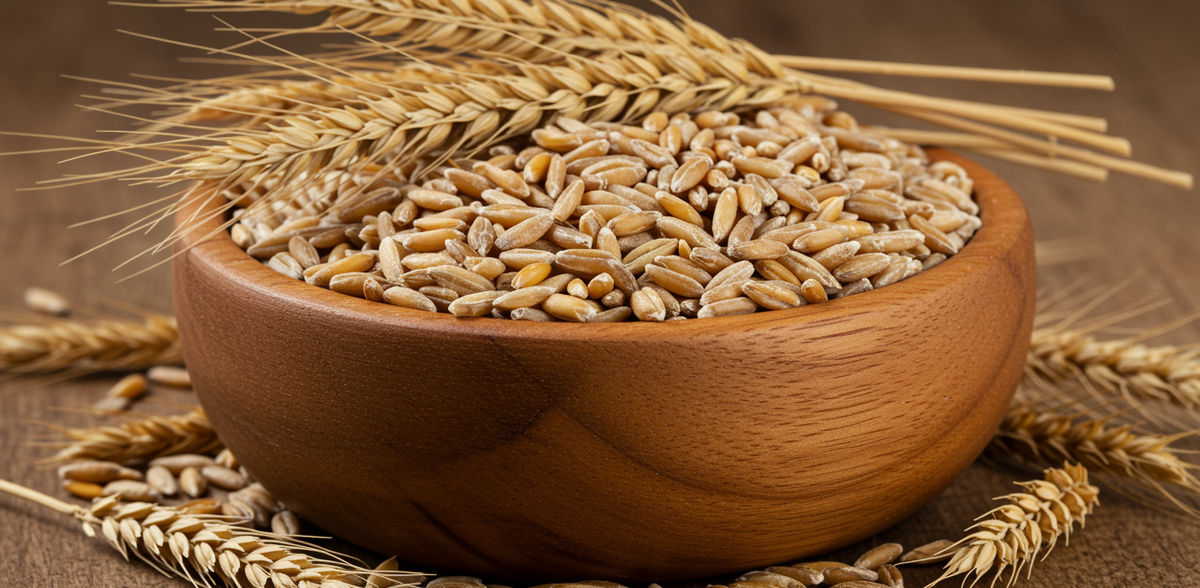
Spelt, emmer and einkorn are often referred to as "ancient grains" in food marketing. However, a scientific classification by the MRI shows that this is misleading in terms of consumer protection. The term "ancient grain" is not legally protected and falsely suggests that it is an original, unmodified type of grain. Certain health benefits compared to commercially available wheat, such as a lower allergenic potential, are also incorrect. The MRI's classification sheds light on possible misconceptions about "original cereals" from a scientific perspective and supports the clear labeling of cereals containing gluten.
The so-called spelt wheat varieties spelt, emmer and einkorn have evolved over a long period of time through natural selection and breeding. The predecessors of the varieties that are currently grown in Germany mostly come from gene banks and are usually significantly younger than 100 years. Today, however, spelt, emmer and einkorn have little in common with the original varieties of antiquity. This is why the term "ancient grain" is not technically tenable.
In order to increase the yield, soft wheat was crossed with spelt. However, the parentage of today's spelt varieties is often not traceable, not least due to natural crossbreeding with common wheat in the past. The term "ancient spelt" should therefore not be used for any spelt variety. Emmer, an early form of cereal genetically related to wheat, and einkorn were taken from gene banks and bred. These species should therefore also not be referred to as ancient grains.
The term "ancient grain" is not defined in EU legislation. However, the EU Commission provides for the identification of all cereal species belonging to the genus wheat and therefore containing gluten, for example in the form "spelt wheat" or "spelt (wheat)". This is also relevant in view of the potential health risk posed by the unclear labeling of cereals containing gluten. The scientific classification of the MRI underpins this legal requirement.
Note: This article has been translated using a computer system without human intervention. LUMITOS offers these automatic translations to present a wider range of current news. Since this article has been translated with automatic translation, it is possible that it contains errors in vocabulary, syntax or grammar. The original article in German can be found here.

Other news from the department science