Fake News on Your Plate: The University of Bayreuth Investigates Nutrition Misinformation on Social Media
In the FOOD-FRAMES project, ten institutions from seven countries are investigating how a better information environment can be created
Advertisement


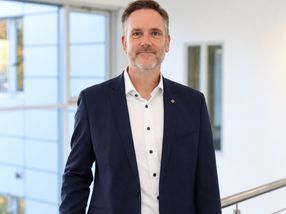
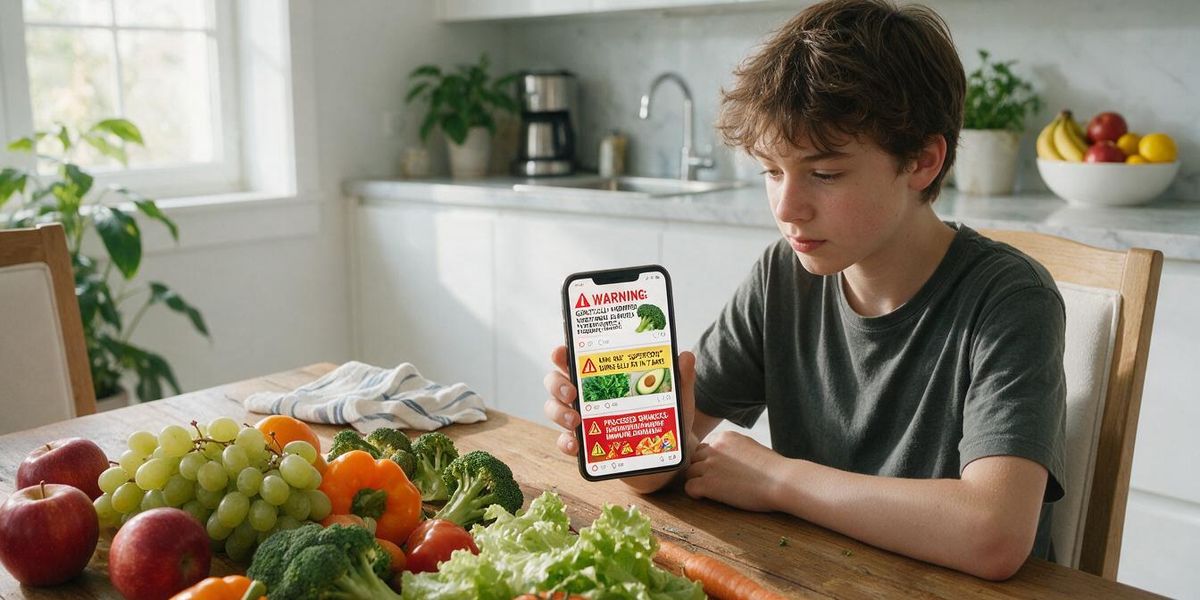
Misinformation and disinformation about nutrition are spreading rapidly on social media—and are reaching children, adolescents, and young adults in particular. The European collaborative project “FOOD-FRAMES” is investigating the extent to which young people in Europe are exposed to such content, how they deal with it, and what consequences this has for their nutrition and mental health. The Chair of public health Nutrition, led by Prof. Dr. med. Peter Philipsborn at the University of Bayreuth, is receiving over 220,000 euros for this research from the Federal Ministry of Agriculture, Food, and Home Affairs. The project at the Kulmbach campus is part of the FOOD-FRAMES project, which runs through 2009 and is funded with a total of 2.6 million euros.
Social media offers great opportunities to convey evidence-based and engaging content on nutrition and health. At the same time, however, it also facilitates the rapid spread of misinformation and disinformation. While scientific understanding of how nutrition affects health and the environment is constantly evolving, key findings—such as the health benefits of fruits, vegetables, and whole grains—have long been considered well-established and are continually reinforced by new studies. However, such reliable messages often lack newsworthiness. As a result, they frequently receive less attention on social media than sensational, scientifically unsubstantiated, or simply false claims about supposed miracle cures. Misinformation and disinformation surrounding nutrition is thus a growing societal problem that FOOD-FRAMES is addressing.
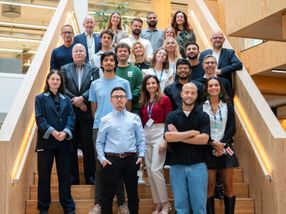
In the FOOD-FRAMES project, ten partner institutions from seven countries are pooling their expertise in psychology, nutrition science, public health, law, economics, and media and political research. The goal is to design a so-called “nutrition information environment” that supports healthy and sustainable eating throughout Europe, for example through policy recommendations and legal frameworks that counteract misleading marketing as well as misinformation and disinformation.

The team led by Prof. Dr. med. Peter von Philipsborn, holder of the Chair in Public Health Nutrition, is conducting a “Photovoice” study at the Kulmbach campus: In this study, young social media users in Germany, Austria, and the Netherlands are using their own photos to document how they experience and perceive the digital nutrition environment. In addition, the Bayreuth team is conducting an interview study with nutrition influencers to assess their motivations, experiences, and contractual terms, as well as their perspectives on improved regulation. In addition, the University of Bayreuth is using apps to investigate the extent to which adolescents between the ages of 13 and 18 are exposed to marketing for unhealthy foods. The Bayreuth team is also participating in a systematic review and an international Delphi study aimed at identifying effective measures against nutrition-related misinformation and disinformation.
“Nutrition is a topic that resonates with people. That is precisely why there is a particularly large amount of false and misleading information about it circulating online,” explains Prof. Dr. med. Peter von Philipsborn. “With FOOD-FRAMES, we want to better understand how young people encounter this misinformation, what consequences it has for their health, and how we can better protect them from it.”
In addition to the University of Bayreuth, the project involves Wageningen University (coordination), University College Cork, the University of Vienna, Ghent University, the Norwegian Institute of Public Health, the University of Southern Denmark, the University of Pisa, Sciensano, and Ludwig Maximilian University of Munich. The project will run for a total of three years, through July 2029.
FOOD-FRAMES is funded by the Federal Ministry of Agriculture, Food, and Home Affairs (BMLEH) and other national funding agencies in the participating countries, with co-financing from the European Union as part of the European partnership FutureFoodS. The Federal Office for Agriculture and Food (BLE) serves as the project sponsor on the German side. The decision to award funding was based in particular on the project’s scientific excellence and its expected benefits in terms of promoting healthy and sustainable diets.
Note: This article has been translated using a computer system without human intervention. LUMITOS offers these automatic translations to present a wider range of current news. Since this article has been translated with automatic translation, it is possible that it contains errors in vocabulary, syntax or grammar. The original article in German can be found here.


Other news from the department science