Roasted and browned: how gut bacteria break down heated foods
Heating food generates new dietary compounds: an enzyme in gut bacteria can expand its functional repertoire to process them
Advertisement


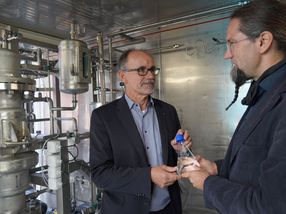
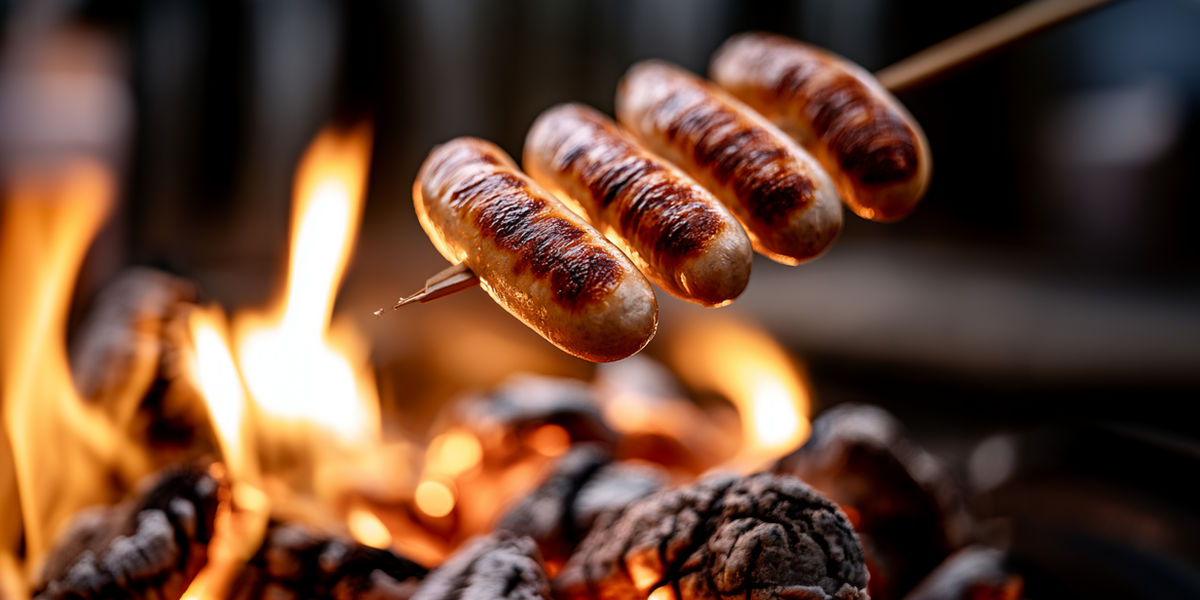
Crusty bread, fried meat, and roasted coffee owe their characteristic taste and browning to chemical reactions that occur when foods are heated. In the so-called Maillard Reaction, amino acids – the building blocks of proteins – react with sugars to produce modified forms of natural dietary compounds. Their influence on gut bacteria has been little understood. An interdisciplinary team led by PD Dr. Jürgen Lassak (LMU Munich) and Professor Michael Hellwig (TU Dresden) has now investigated how such dietary compounds are formed, obtaining new insights into the interplay of diet and gut microbiome.
Their focus was on a modified form of the natural amino acid lysine called Nε-carboxymethyllysine, or CML for short, which often occurs in heated foods. In contrast to natural amino acids, their modified forms are absorbed incompletely or not at all in the small intestine. As such, they pass to the large intestine, where they encounter the gut microbiota – the community of microorganisms that play an important role in digestion, the immune system, and health.
Enzyme as ‘Swiss pocket knife’ for breaking down modified amino acids
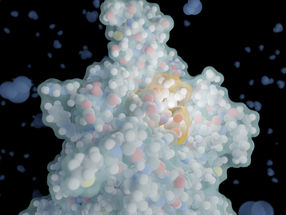
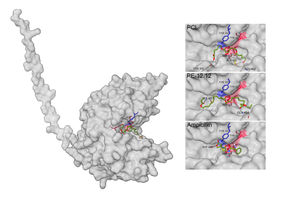
The research team demonstrated in the gut bacterium Escherichia coli that the enzyme SpeC is able to break down CML in addition to its previously known function. “The bacteria do not need to develop entirely new tools for this task. Instead, they repurpose their existing repertoire in a creative way,” says Lassak. It is particularly notable that SpeC does not recognize CML alone, but, like a Swiss pocket knife, the enzyme can also process other chemically modified amino acids.
“From an evolutionary perspective, this is significant,” says Erica Aveta, who shares first authorship with Patroklos Vougioukas. “Such side activities can give bacteria an initial route to access new dietary compounds. If such a compound becomes regularly available, adaptation can turn the ‘Swiss pocket knife’ SpeC into a more efficient tool specialized for this task.”
Computational analyses suggest that such degradative capacities are widespread in the human gut microbiome. The study also identifies links to several diseases associated with diet and lifestyle, including bowel cancer, fatty liver disease, and hepatitis. It is conceivable, for example, that the bacterial breakdown of CML creates advantages for certain bacteria in an inflamed gut environment. In addition, novel biogenic amines are produced during the breakdown of the chemically modified amino acids – a molecular group that is the subject of intense debate as mediators of bacteria-host communication.
“These links do not yet prove a cause-and-effect relationship,” cautions Jürgen Lassak. “But they do suggest that processed food, microbial metabolic pathways, and health status may be more closely connected than previously assumed,” adds Hellwig.
Original publication


Other news from the department science