Where does the honey come from? New EU rules provide clarity
From 14 June, the obligation to state the country of origin with shares applies
Advertisement


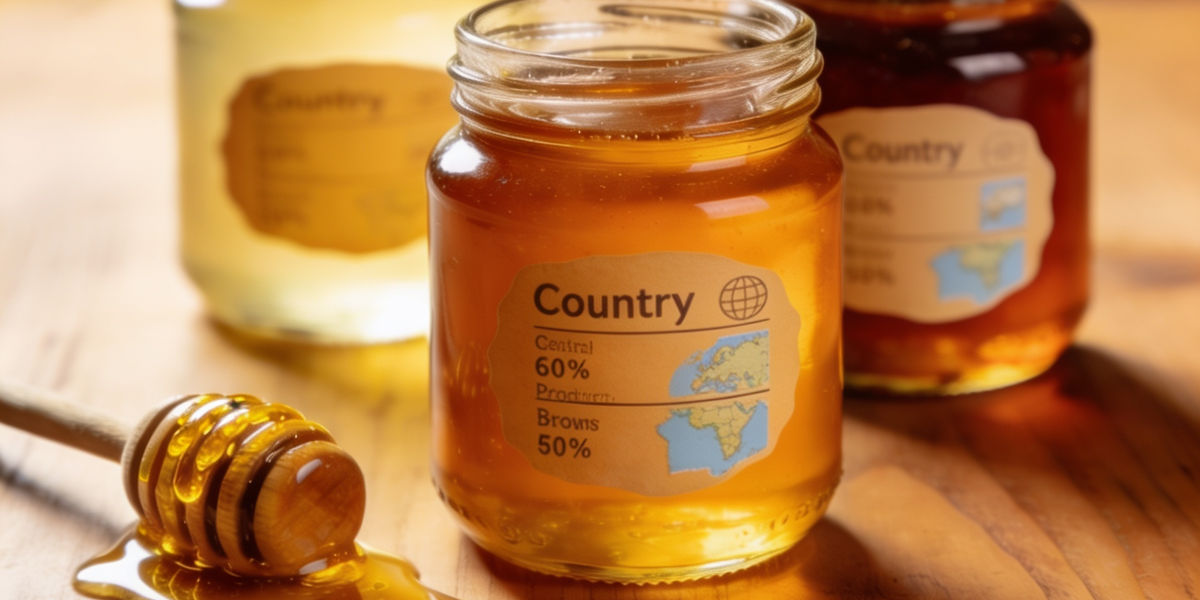
"Blend of honey from EU and non-EU countries"—this often-criticized label on honey jars will now disappear from store shelves. Starting June 14, all countries of origin and their respective proportions must be listed on the front label of blended honeys. For the first time, consumers will be able to see at a glance which countries the ingredients in the blend come from.
"Anyone who buys honey should be able to tell where it comes from. That’s exactly what the new rules do," says Torsten Ellmann, president of the German Beekeepers’ Association. “This also improves the traceability of the honey.” China, in particular, has repeatedly faced criticism for supplying questionable products, as a large-scale EU inspection campaign also revealed. The German Beekeepers’ Association has therefore been advocating for clear labeling in the European Union for years, explains Ellmann.
However, it will still be a while before the last jar with the old origin label disappears from supermarket shelves. All jars that have already been labeled may continue to be sold.
Honey straight from an apiary showcases the natural diversity of this food. Depending on the available plants and weather conditions, different flavors emerge—from mild rapeseed honey to robust forest honey. Just like wine, its character can change from year to year; that is what makes pure honey so special.
Note: This article has been translated using a computer system without human intervention. LUMITOS offers these automatic translations to present a wider range of current news. Since this article has been translated with automatic translation, it is possible that it contains errors in vocabulary, syntax or grammar. The original article in German can be found here.


Other news from the department politics & laws