Planteneers Shows New Ways to Achieve "Clean Label" Status for Plant-Based Alternatives
New functional systems for salami alternatives, pudding, and ice cream do not contain any additives that require labeling
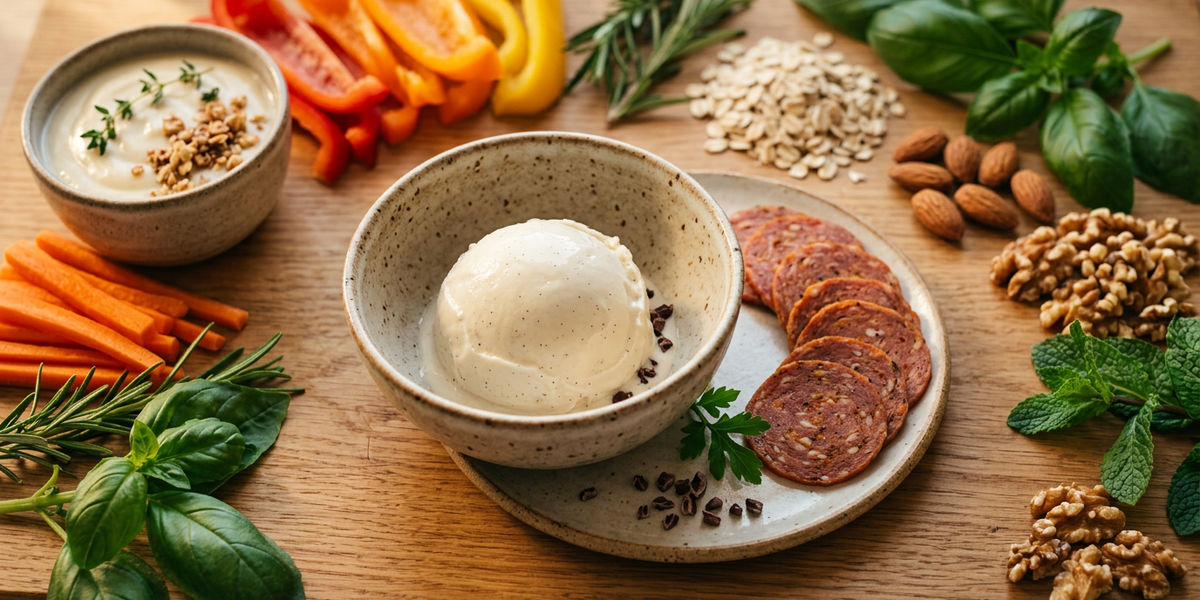
Planteneers Shows New Paths to clean label in Plant-Based Alternatives
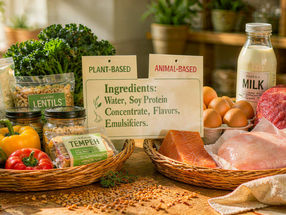
Expectations for clean-label products have evolved rapidly. Surveys by the Good Food Institute and Innova Market Insights show that familiar ingredients and shorter ingredient lists are increasingly influencing purchasing decisions. However, clean-label quality cannot be achieved simply by replacing individual ingredients. It results from a precisely balanced interplay of raw materials, processing, and functionality, as demonstrated by Planteneers’ clean-label systems.
Clean Label for Plant-Based Snacks
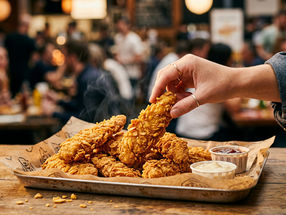
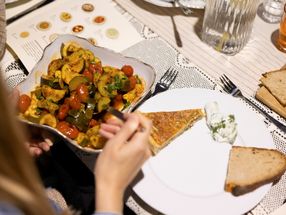
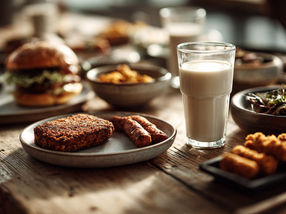
Manufacturers can meet the growing demand for mini meals and savory snacks with the functional systems from the fiildMeat line. These systems provide the foundation for plant-based clean-label solutions in the meat and sausage alternatives category. One example is the system for producing meatballs, smash burgers, beef jerky, or entirely new concepts. A wide range of plant-based ingredients can be incorporated into the wheat-based mixture—from mushrooms for an enhanced umami flavor to visible vegetable pieces such as bell peppers, carrots, or corn. Additional dietary fiber or a high protein content are also possible. The final products are pre-cooked and can be eaten hot or cold. Various trendy flavor concepts ensure an attractive product lineup. Possible options include, for example, “Mexican Style” with corn, jalapeño, black beans, and cilantro, “Asian-style” with scallions, tamari, sesame, ginger, and edamame, or “Mediterranean” with tomato paste, zucchini, oregano, and smoked paprika. Curry variations or classic recipes with garden vegetables are also possible.
The system for producing plant-based alternatives to clean-label salami made from wheat protein also leverages the synergies and interactions between the ingredients to recreate the familiar texture of salami. In addition to classic applications such as cold cuts and salami sticks, it is ideal for convenience products like plant-based snack salami or heat-stable pizza toppings. High-protein product concepts or flavor variations such as chorizo- and pepperoni-style options expand the range of plant-based clean-label solutions. Planteneers defines the term “clean label,” by the way, as a recipe that contains no E-numbers subject to mandatory declaration. The statement “no additives” guarantees that certain additives—such as preservatives, flavor enhancers, or added flavors—are completely omitted. Natural flavors or spice blends provide unique taste experiences.

Focus on Methylcellulose and Carrageenan
In addition to “clean label” in general, individual ingredients are also increasingly coming into focus. In the area of meat and sausage alternatives, for example, this includes methylcellulose. That’s why Planteneers also offers specialized systems that are not only free of additives requiring declaration but are also free of methylcellulose. This allows manufacturers to meet consumer demand for natural plant-based alternatives without compromising on taste or texture.
For the dairy alternatives segment, Planteneers has developed labeling-friendly systems that do not contain carrageenan. “Carrageenan is a highly effective tool in plant-based milk and yogurt alternatives for stabilizing texture and mouthfeel. It helps reduce the sedimentation of proteins and other components and ensures a creamy, homogeneous consistency,” explains Dr. Pia Meinlschmidt, Head of Product Management at Planteneers. “However, the ingredient has come under criticism from consumers because it is often associated with highly processed foods and controversial health debates—regardless of its confirmed safety by regulatory authorities. Therefore, the label ‘carrageenan-free’ may be more relatable to many consumers than a general clean-label claim. It addresses a well-known point of criticism and thereby supports the acceptance of plant-based products.”
Labeling-Friendly Plant-Based Dairy Alternatives
For example, the functional system from the fiildDairy NEB series is carrageenan-free and is designed for the production of hybrid or purely plant-based milk-blend beverages in various flavors. It enables the production of hybrid milk beverages with up to a 50 percent reduction in milk content—while maintaining consistent fat content and a full, milk-like flavor. The lower saturated fat content and the ability to highlight the low sugar and protein content further contribute to a health-conscious image. Pure plant-based alternatives can be produced using various base ingredients such as almonds, rice, oats, or buckwheat. The protein content can be individually adjusted—either to match that of conventional milk or for specialized high-protein formulations.
The functional system for plant-based pudding alternatives is also free of carrageenan—whether it’s classic pudding or a high-protein variant with a protein content of up to ten percent. Oats, coconut, or soy are suitable as plant-based protein sources. The final products have a creamy texture. In terms of flavor, many options are possible—from popular classics like chocolate, vanilla, and hazelnut to cookie or salted caramel.
For the ice cream segment, Planteneers has developed a special clean-label concept. The plant-based premix enables lactose-free, high-fiber ice cream varieties that impress with an authentic milk-based texture and are free of E numbers, additives, and artificial flavors that require labeling, while also containing less sugar. The system is suitable for producing a wide range of labeling-friendly plant-based ice cream alternatives—from premium ice cream to soft-serve, frozen yogurt, and frappé-style products.
These examples demonstrate that “clean label” is much more than just a shorter ingredient list. The key lies in the targeted interplay of raw materials, functionality, and process expertise to equally meet consumer demands for naturalness, taste, and texture.
Note: This article has been translated using a computer system without human intervention. LUMITOS offers these automatic translations to present a wider range of current news. Since this article has been translated with automatic translation, it is possible that it contains errors in vocabulary, syntax or grammar. The original article in German can be found here.
Other news from the department research and development