Researchers find fructose sends a weaker “I’m full” signal to the brain than glucose
Findings shed light on how sugar type influences what and how much we decide to eat
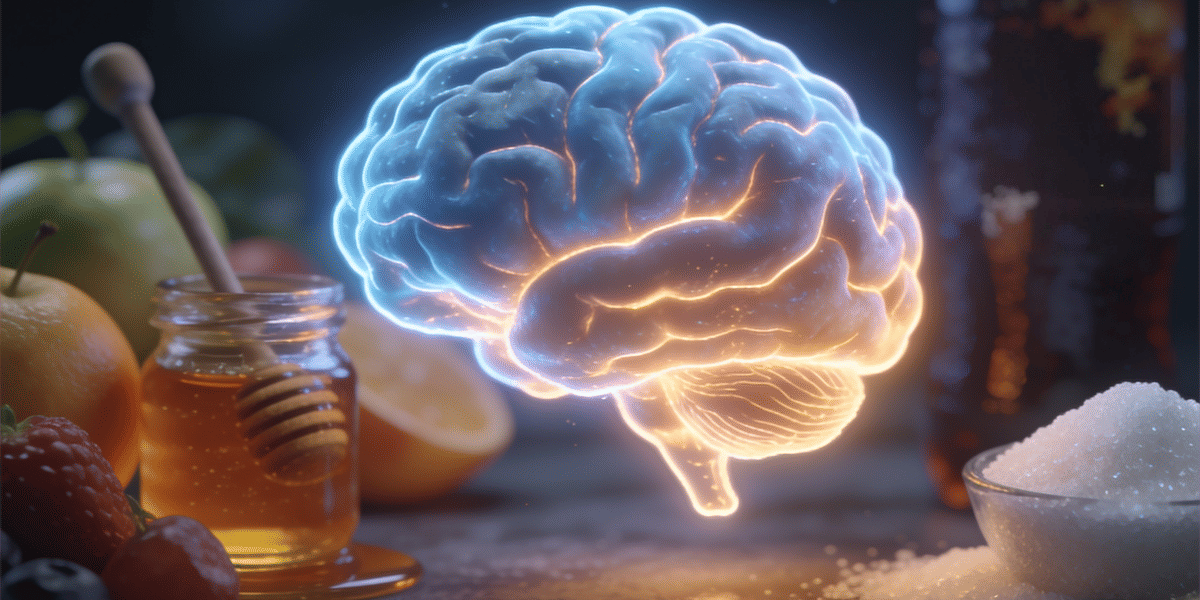
Researchers at the Monell Chemical Senses Center found that common dietary sugars fructose and glucose, despite having the same amount of calories, communicate with the brain through different gut-brain pathways, a difference that may help shape our food and beverage preferences.
In mice, the team identified a dedicated gut-brain signaling pathway through which fructose communicates with the brain and found that it is much less effective than glucose in turning down the activity of hunger-related neurons. Their findings were published June 10 in Neuron.
“This work adds to our growing understanding of how modern diets, especially those high in fructose or high-fructose corn syrup, interact with the neural systems involved in appetite,” said senior author and Monell Member Amber Alhadeff, PhD.
Recording neural activity in mice, researchers observed that fructose triggered a rise in the gut hormone PYY, which then acted through the vagus nerve to modestly inhibit agouti-related protein (AgRP) neurons, key brain cells that help drive hunger. Disrupting this pathway blocked fructose’s effect on those neurons. By contrast, glucose did not rely on this same PYY-Y2 vagus nerve route, researchers said, and caused strong suppression of AgRP neuron activity.
The team found that while both sugars had similar short-term effects on how much mice ate, the animals developed food preferences linked to the level of AgRP inhibition associated with each sugar.
The team also looked at high-fructose corn syrup (HFCS), a common food additive that contains a mixture of fructose and glucose. The mice preferred the HFCS, and HFCS more strongly inhibited AgRP neurons than fructose alone. This may help explain why some people find HFCS-containing foods and beverages especially appealing, researchers said.
The findings challenge the long-standing idea that hunger-related AgRP neurons track calorie intake regardless of nutrient source. Instead, this study suggests that these neurons distinguish between sugars and respond to them through different biological pathways. Although fructose and glucose contain the same amount of calories, the animals’ brains did not treat them equally. These new results illustrate the complexity of nutrient sensing: even simple sugars can differently influence the gut, the brain, and our behavior.
Original publication
Other news from the department science