Beef, poultry, and fish are making a comeback on the dinner table
Per capita meat consumption rose by about 4 percent in 2025, following years of decline

Advertisement


In 2025, German farms produced virtually the same amount of meat as in the previous year—just under 7.3 million metric tons. milk production, at 34 million metric tons, and aquaculture production, at around 35,000 metric tons, also remained at the previous year’s levels. The latest Thünen fact sheets on livestock farming provide new facts and figures on production, consumption, and exports.
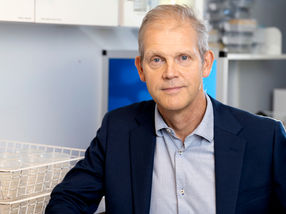
33.99 million metric tons of milk were produced in Germany in 2025. This means Germany remains the largest milk producer in the European Union. In total, German farms produced 7.3 million metric tons of meat in 2025. “This marks the second consecutive year of stabilized production, while meat consumption has actually risen by a good four percent year-over-year,” says Claus Deblitz. The researcher at the Thünen Institute of Business Economics has been in charge of compiling the livestock farming fact sheets for years. In the German aquaculture sector, the gradual decline in fish production that began in 2017 continued. The harvest volume for 2025 amounted to approximately 16,550 metric tons of edible fish. Mussel production increased by 10 percent compared to the previous year.
With the livestock farming fact sheets, Thünen researchers provide up-to-date annual figures on production, consumption, and exports in Germany. This year’s fact sheets include data through 2025, and in some areas through 2026. They thus provide a scientific basis for public discussions and political decision-making regarding the future of livestock farming in Germany.
Pork Remains Number One, with Total Consumption on the Rise Despite the current sense of crisis, pork remains the number one meat category in both production (just under 60 percent) and consumption (47 percent), and, with a 52 percent share, is also Germany’s top meat export. Only in terms of imports does pork, at 28 percent, trail slightly behind poultry meat, at 33 percent.
After years of decline, total meat consumption in Germany rose again for the first time in 2024 and 2025. In 2025, it amounted to approximately 76 kilograms per capita. Consumption for human consumption (excluding bones, animal feed, and industrial processing) totaled 55 kilograms per capita. However, the increase in consumption over the past two years is mainly attributable to poultry and beef. Fish and seafood also regained popularity last year. Overall, consumption in 2025 rose by 13 percent compared to the previous year.
Continued Structural Change The structural changes of the past decades continued in 2025 in the form of fewer farms and rising average herd sizes. Laying hen farming is an exception. In this sector, the number of farms has increased, while average flock sizes have decreased. This is attributable to the rise in free-range and organic production methods, in which flock sizes are below average. In aquaculture as well, the consolidation trend in fish production that has been observed for several years continued. The salmonid sector has been particularly affected. Since 2015, a decline in the number of farms of about 47 percent has been observed here. Production volume, however, fell by only about nine percent during the same period.
Note: This article has been translated using a computer system without human intervention. LUMITOS offers these automatic translations to present a wider range of current news. Since this article has been translated with automatic translation, it is possible that it contains errors in vocabulary, syntax or grammar. The original article in German can be found here.


Other news from the department science