AI helps out in the kitchen, but spoils the dining experience
According to a GDI white paper, algorithms spread viral trends—such as Dubai chocolate—globally and displace regional recipes
Advertisement


AI is optimizing our diets. At the same time, this technology threatens to create a global culinary one-size-fits-all scenario in which regional recipes and traditional culinary knowledge fall by the wayside. As a result, human craftsmanship could gain value, and “human-made” could become the new premium category in the food sector. This is highlighted in the new GDI white paper “AI on the Menu,” which examines how artificial intelligence is changing our food culture and where it reaches its limits.
AI Optimizes the Plate, but Forgets the Table
AI does not affect all aspects of our food culture to the same degree. The GDI white paper examines six dimensions: enjoyment, community, health, control, rituals, and cultural roots. AI’s potential is particularly great in areas where nutrition can be measured and optimized. Even today, the technology can track calories, analyze health data, and generate personalized dietary recommendations. When it comes to enjoyment and rituals, the picture is less clear-cut: AI can suggest new recipes and simplify daily routines, but taste and traditions cannot simply be calculated. The technology reaches its limits particularly when it comes to community and cultural roots. After all, shared meals thrive on interpersonal relationships, and family recipes on knowledge passed down orally. What isn’t digitally documented remains largely invisible to AI. This creates the risk that local culinary traditions will increasingly fall into oblivion. “AI may make our diets healthier and more efficient—but it doesn’t necessarily enrich our food culture,” says Christine Schäfer, senior researcher at the GDI and author of the white paper.
Algorithms Serve Up the Same Flavors Worldwide
Technology has always shaped both our diets and our food culture: from Paleolithic cooking and fire-making techniques to agricultural methods, the invention of the can, and smart refrigerators. What’s new is that algorithms now intervene at the very moment a decision is made. What goes viral on social media ends up on menus and supermarket shelves around the globe shortly thereafter. Dubai chocolate, bubble tea, and strawberry matcha are striking examples. The hype surrounding Dubai chocolate, for instance, caused demand for pistachios to rise. AI could further accelerate this trend. This is because digital recommendation systems often favor popular content, while companies are increasingly basing the development and marketing of their products on what generates attention online. As a result, regional specialties and culinary diversity risk losing their significance. “When the same food trends go viral worldwide, our tastes also become increasingly similar,” says Christine Schäfer.
“Human-Made” as a New Premium Label
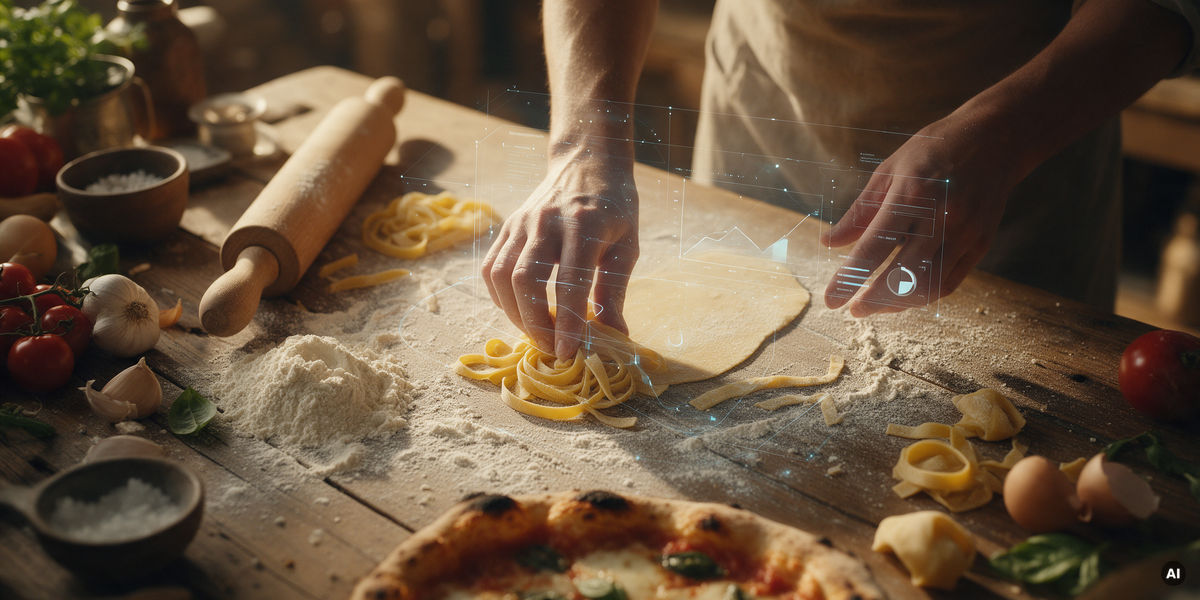
Counter-movements such as the “Nonnamaxxing” trend reflect a need for slowness, physicality, and a connection to cultural heritage: “Making pasta yourself using Grandma’s old recipe and enjoying it with friends—this trend reflects a longing for what AI cannot provide in food culture,” says Senior Researcher Christine Schäfer. In the past, counter-movements to food disruption often gave rise to a new premium category. Organic, for example, was the response to industrial production and its consequences. Similarly, AI could spark the “human-made” movement, though no universally accepted label has yet emerged. Perceived imperfections could become new hallmarks of quality. After all, a slightly charred pizza crust or irregularly shaped pasta signals human craftsmanship. “The more AI perfects our food, the more valuable items that are recognizably made by humans could become,” says Christine Schäfer.
The white paper “AI on the Menu: Food Culture Between Algorithms and Authenticity” is now available for free download at gdi.ch/ai-menu.
Note: This article has been translated using a computer system without human intervention. LUMITOS offers these automatic translations to present a wider range of current news. Since this article has been translated with automatic translation, it is possible that it contains errors in vocabulary, syntax or grammar. The original article in German can be found here.


Other news from the department science













Most read news







More news from our other portals
























See the theme worlds for related content
Artificial intelligence (AI) for food and beverages
Artificial intelligence (AI) is optimizing the food and beverage industry through automated quality control and more accurate demand forecasting. AI plays a particularly important role in product development by analyzing taste preferences and market trends. This allows new products to be developed that are better tailored to consumer needs, increasing efficiency and customer satisfaction.

Artificial intelligence (AI) for food and beverages
Artificial intelligence (AI) is optimizing the food and beverage industry through automated quality control and more accurate demand forecasting. AI plays a particularly important role in product development by analyzing taste preferences and market trends. This allows new products to be developed that are better tailored to consumer needs, increasing efficiency and customer satisfaction.