EFSA Confirms Five Alternaria Toxins Can Damage DNA
Alternariol, AME and three other toxins named genotoxic in updated food and feed safety review
Advertisement


EFSA has updated its assessment of the risks to human and animal health from eight Alternaria toxins . These substances are produced by moulds and can contaminate food and feed.
The assessment considers the latest scientific evidence, new data on the levels of Alternaria toxins in food and feed, and updated estimates of exposure Concentration or amount of a particular substance that is taken in by an individual, population or ecosystem in a specific frequency over a certain amount of time in people and animals.
Five toxins can damage DNA A complex chain-like molecule that carries the genetic material, present in living organisms and some viruses. DNA (deoxyribonucleic acid) is capable of copying itself and carries the instructions for all the proteins used to create and sustain life

EFSA concluded that five of the eight Alternaria toxins assessed are genotoxic, meaning that they can damage DNA, the genetic material of cells: alternariol (AOH), alternariol monomethyl ether (AME), altertoxin I (ATX-I), altertoxin II (ATX-II), and stemphyltoxin III (STTX-III).
Tenuazonic acid
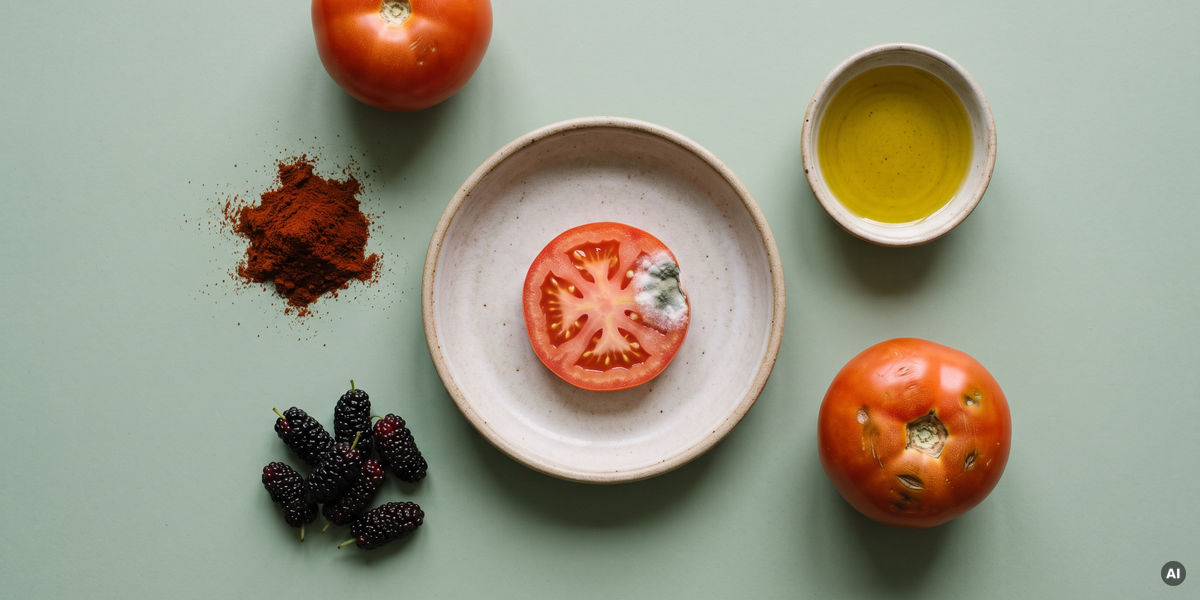
Tenuazonic acid (TeA) was the Alternaria toxin found most frequently in food, particularly in mulberries, paprika powder and tomatoes.
Available data are insufficient to conclude whether TeA is genotoxic. To assess the non-genotoxic effects of TeA, EFSA’s experts took a conservative approach and concluded, with 98% certainty, that there is a low probability The likelihood that a particular event will occur or that a measured value will fall within a particular range of adverse effects from dietary exposure For the purposes of risk assessment, measurement of the amount of a substance consumed by a person or animal in their diet that is intentionally added or unintentionally present (e.g. a nutrient, additive or pesticide) to TeA.
Current exposure to two toxins unlikely to raise health concerns
For altenuene (ALT) and tentoxin (TEN), estimated dietary exposure was well below the levels at which adverse health effects might occur. EFSA therefore concluded that adverse effects from ALT and TEN are unlikely at current levels of dietary exposure.
Dietary exposure to Alternaria toxins: main foods and most exposed age groups
Foods contributing most to exposure included cereal-based foods, fruit products and juices, tomatoes, vegetables, grain-based foods, olive oil and sunflower oil.
Infants, toddlers and other young children generally had the highest estimated exposure relative to their body weight.
Animal health: more data needed
For most animal species A subdivision of the genus, a species is a group of closely related and similar-looking organisms; for example, in the case of Homo sapiens (humans), the second part of the name (sapiens) represents the species , more data are needed to assess the health risks from Alternaria toxins in feed. AOH and AME are unlikely to pose a health concern for chickens reared for meat production, while health concerns from exposure to TeA cannot be excluded for chickens reared for meat production and laying hens.
Exploring new methods to reduce animal testing
For the first time, EFSA explored a non-animal method to estimate the level of dietary exposure to TeA that would not be expected to raise health concerns. However, due to remaining uncertainties and data gaps, the results were not used in the risk assessment A specialised field of applied science that involves reviewing scientific data and studies in order to evaluate risks associated with certain hazards. It involves four steps: hazard identification, hazard characterisation, exposure assessment and risk characterisation .
Next steps
EFSA recommends collecting more data and carrying out further research on Alternari a toxins in food and feed. This will help address the remaining gaps in knowledge and strengthen future risk assessments.


Other news from the department science










Most read news







More news from our other portals

























See the theme worlds for related content
Topic world Food safety
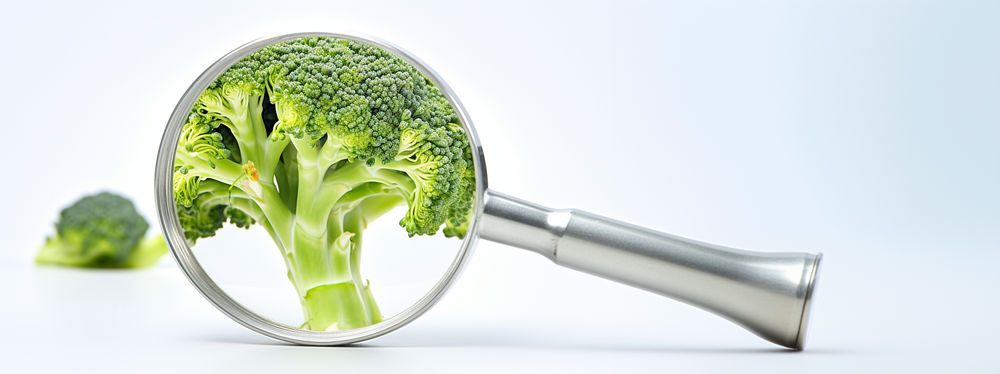
Food safety is at the heart of the food and beverage industry. It ensures that the food we eat every day is not only nutritious, but also free of harmful contaminants. From field to plate, the industry monitors and regulates every step of the process with strict quality controls, advanced testing methods and continuous research.
Topic world Food safety
Food safety is at the heart of the food and beverage industry. It ensures that the food we eat every day is not only nutritious, but also free of harmful contaminants. From field to plate, the industry monitors and regulates every step of the process with strict quality controls, advanced testing methods and continuous research.