Töpfer is realigning its strategy and refining its approach for the future
Investments in Scientific Expertise
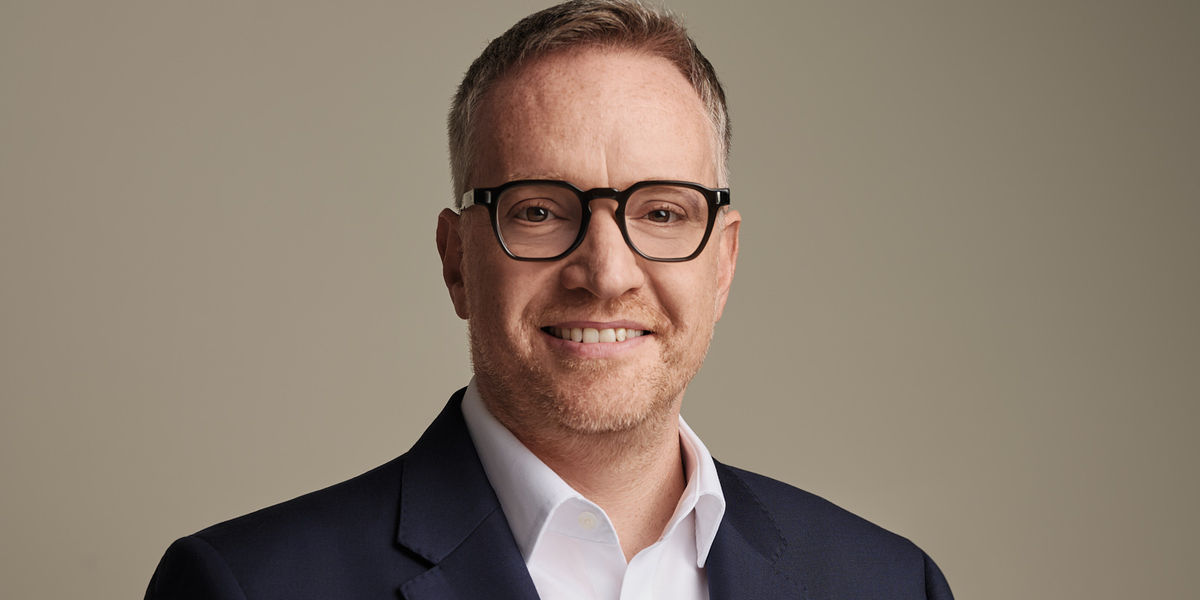
Töpfer Group GmbH is undergoing a strategic realignment: The group, which includes the organic baby food manufacturer Töpfer in Dietmannsried, will shift its focus to science-based early childhood nutrition. “The long-established Töpfer brand stands for organic nutrition, product quality and safety, and the sourcing of regional raw materials,” explains CEO Peter Mandl. “We will combine these established strengths within the corporate group with robust scientific expertise, evidence-based product development, and close collaboration with medical professionals such as doctors and midwives.”
As a first milestone, the renowned pediatrician Prof. Dr. med. Regina Ensenauer was appointed Chief Scientific & Medical Officer. In this role, she advises the Töpfer Group on shaping its long-term scientific agenda. This involves, for example, identifying relevant developments in nutrition during the first stages of life and linking scientific findings to potential opportunities for innovation and portfolio expansion.
Ensenauer has a long-standing, international research career in the field of metabolic and nutritional medicine, having held positions at institutions including the Mayo Clinic (USA). This was followed by leadership roles at Dr. von Hauner Children’s Hospital in Munich and the University Children’s Hospital in Düsseldorf. Most recently, she headed the Institute for Child Nutrition at the Max Rubner Institute in Karlsruhe and the National Breastfeeding Commission in Germany. Her research in the field of mother-child studies at Ludwig Maximilian University (LMU) in Munich and at Heinrich Heine University in Düsseldorf—where she also teaches as a professor of pediatrics—will continue unaffected by her position at the Töpfer Group.
“Early childhood nutrition plays a central role in the development of healthy eating habits later in life—from breastfeeding through the introduction of solid foods to family meals,” Ensenauer explains. “The task now is to put new scientific findings into practice for prevention.” This is because it is increasingly important for parents to receive scientifically sound guidance that safely supports them on their individual journey.
The Töpfer Group has made this its mission: The existing infant nutrition portfolio will be reviewed for potential innovations or reformulations, as will related product categories such as complementary foods. Mandl: “Our goal is to go beyond individual products and build a broader, scientifically sound nutrition portfolio for early childhood.” Adherence to the highest standards of food quality and safety is always the top priority.
In a next step, innovations could then be scaled up and transitioned into international expansion. The company is already well-established in several EU countries and, with its recent market entry in the Czech Republic, has signaled its expansion into further Central and Eastern European (CEE) markets.
Since May 2025, the company has been owned by two Prague-based investors: TCF Capital, which has extensive experience in the food retail sector, and TPAG, which possesses significant expertise in turnaround management and the optimization of processes and operational workflows.
A key component of the Töpfer Group’s strategy is sharing new insights on preventive health care with doctors, midwives, and other healthcare professionals. “We want to break down the barriers between science, industry, and the lived experiences of mothers, and move beyond the polarization between breastfeeding and infant formula,” explains CEO Mandl. “We put the well-being of mothers and their babies first—with innovations and reliable support based on scientific findings and the experience of pediatricians. In doing so, we are committed to respecting the wishes and decisions of every family.”
Note: This article has been translated using a computer system without human intervention. LUMITOS offers these automatic translations to present a wider range of current news. Since this article has been translated with automatic translation, it is possible that it contains errors in vocabulary, syntax or grammar. The original article in German can be found here.

Other news from the department business & finance