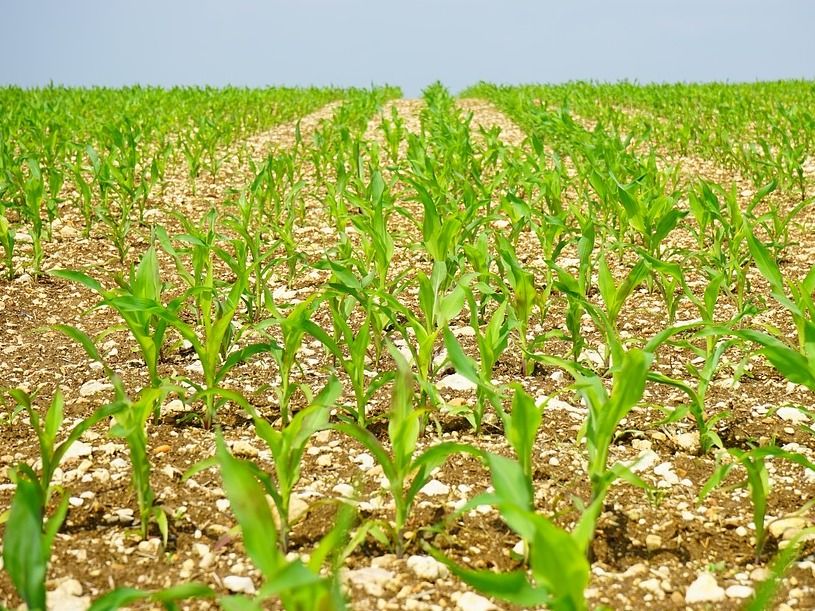
The 2017 corn crop heading into pollination
After a tough start to the season, including an unusually cool, wet May followed by hot, dry weather in early June, the Illinois corn crop has rebounded a bit, with 65 percent of the crop in good or excellent condition by July 2. That’s up from the May ratings, but still lower than ideal, leaving many wondering how the season’s slow start might affect silking and yield potential.
Hans/ Pixabay
“One consequence of the spring weather as corn enters the critical pollination period is the short plant height in many fields, especially in central Illinois,” says Emerson Nafziger, professor in the crop sciences department at the University of Illinois. “Plants in many fields are 1 to 2feet shorter than normal as tassels begin to emerge. Later-planted (including replanted) fields have a few weeks to go before they pollinate, and can still get to their normal height if they have enough water.”
Plants are short for this stage of development due to an unusual combination of factors. May’s cool, wet soils caused slow root growth, and when warm, dry weather hit in early June, the smaller-than-normal root systems couldn’t keep up with the evaporative demand from leaves. This caused many fields to show leaf-rolling in the afternoon on hot days. “Having leaves roll signals a shortage of water in the plant,” Nafziger says. “Cells in the stem internodes that were developing during stress did not compete well for water, and so couldn’t elongate as much as usual. After the cell walls hardened, that part of the stem stayed short.”
Nafziger says that although good yields are possible on short plants, really high yields—250 bushels per acre or more—are more likely on plants that are at or above normal height. Tall corn is not always high-yielding, though. “Late-planted corn often grows taller than early-planted corn because it’s warmer when the stem is elongating,” he says. “Such plants tend to have less dry weight than those that were planted earlier, though, and that means less capability to produce high yields.”
Despite heavy rain earlier in the season, soil nitrogen levels were nearly as high in June as they were in 2016, and leaf color remains good. It is unlikely that the crop will run out of nitrogen as long as there is adequate water in the soil to carry the nutrient to the roots. Having water in the soil also helps to maintain the process of mineralization, which makes nitrogen from soil organic matter available to the crop.
“The largest concern now, as it almost always is at this time of year, is having enough water and sunshine to maintain photosynthetic rates in order to get the high kernel numbers needed to produce high yields,” Nafziger says. “Very good pollination conditions – plenty of rainfall, good sunshine, and average temperatures – can overcome some of the negative effects of the season so far, but will need to last for two weeks or so after pollination in order to keep kernels from aborting. We simply can’t know how this will end until we can count kernels and assess the state of the canopy by the time kernels start to add dry weight, about a month from now. We remain optimistic.”
Other news from the department business & finance










Most read news






More news from our other portals
























Last viewed contents
Sweetening with Sweet Potatoes: Carolina Sweet Replaces Undesirable Ingredients - The vegetable-based sweetening solution is a lower calorie alternative to other popular natural sweeteners

Natural food more mouth-watering to children than processed fare - Children are more likely to prefer foods they believe to be natural to man-made options, rating them higher for tastiness, safety and desirability, a study shows
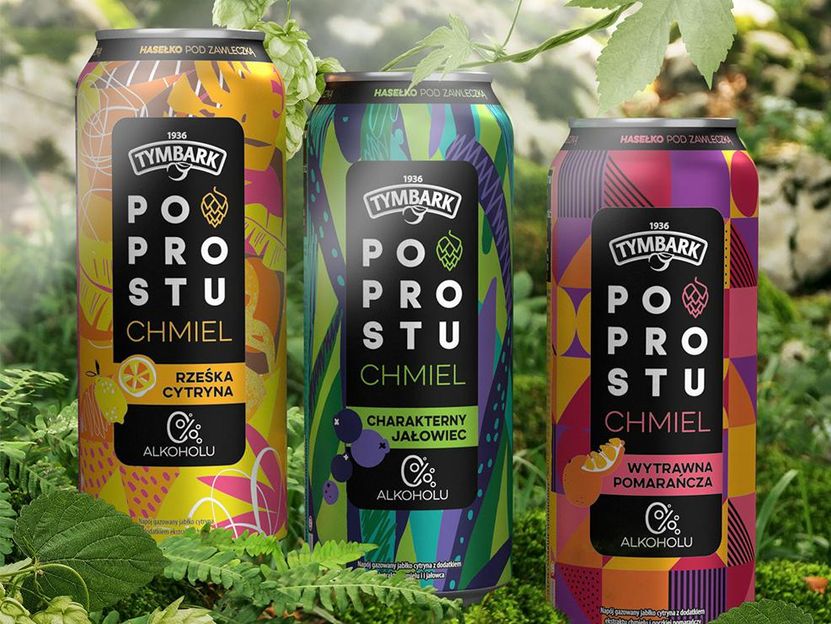
CANPACK’s MATT Effect Stars in Tymbark’s New Alcohol-Free Drinks Launch
DouxMatok Releases Limited Edition Incredo® Spreads - Food Tech Pioneer Launches Spread The Happiness Campaign to Celebrate the Introduction of Incredo® Sugar to the U.S.

Emotional eating: Is ice cream your Valentine?
Key gene to accelerate sugarcane growth is identified

Kim Kardashian is Featured in a New Campaign by Beyond Meat® as the Company’s First Chief Taste Consultant - As a long-time fan and avid consumer of Beyond Meat’s products, the global icon will show consumers how to Go Beyond® with her favorite plant-based meat brand
Olam Food Ingredients to acquire Olde Thompson, a leading US private label spices and seasonings manufacturer - Olam Food Ingredients accelerates its growth strategy with a transformative US acquisition
Alternative Protein Market Size for Food Application to exceed $155bn by 2027
Anheuser-Busch InBev and Keurig Green Mountain Announce R&D Joint Venture
New international study recommends rethinking heart-healthy nutrition: Meat and dairy products