UK Retailers ban energy drinks for sales to under 16’s, observes GlobalData
Advertisement


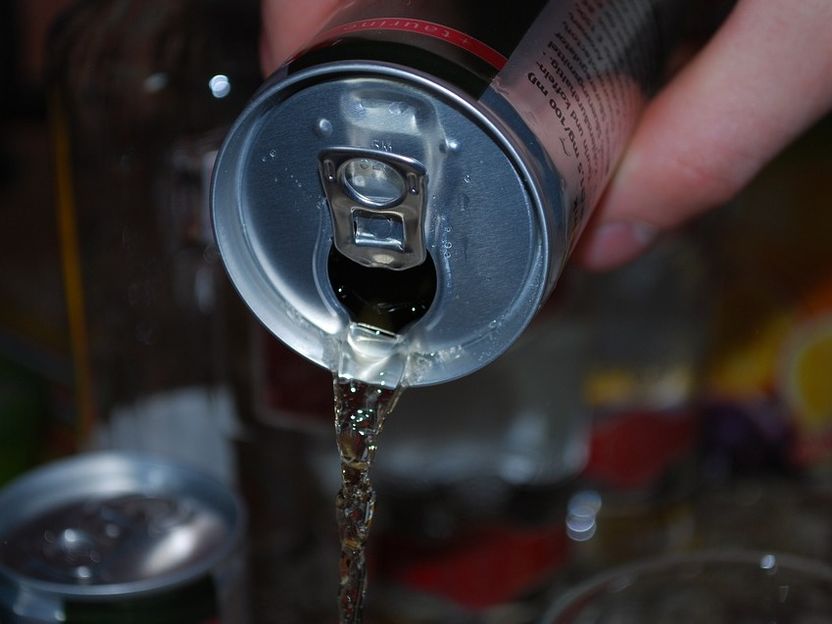
Over the first two months of 2018 UK retailers Waitrose, Tesco, Co-op, Asda, Sainsbury’s, Aldi, Lidl and Morrisons - the UK’s seven largest food retailers - all implemented their own bans on the sale of energy drinks to children. This is despite the lack of any formal direction or regulation from the UK government, observes GlobalData a leading data and analytics company.
Herbich/ Pixabay
In March 2018 Boots became the first non-supermarket retailer to join them. Specifically, this means banning the sale of products with a caffeine content of more than 150mg per litre to under-16s. The fact this potentially profit limiting step has been taken without government regulation or a call for retailers to take voluntary action is unusual, but emphasises the importance large retail chains place on maintaining a responsible brand image.
Associate Analyst at GlobalData, William Grimwade commented, “Major retailers have become extremely concerned about monitoring opinion of themselves on social media, and the highly competitive nature of British supermarket retailing means retailers do not want to be seen to be out of step with their competitors on issues like this”.
The National Association of Schoolmasters Union of Women Teachers (NASUWT) has gone as far as attributing some cases of poor behaviour of children in schools to high energy drink consumption. The #NotforChildren campaign has become prominent on social media among a variety of stakeholders, including health concerned celebrity chef Jamie Oliver, the charity Action on Sugar, the MP Maria Caulfield and NASUWT, the teachers union.
Grimwade adds, ''Retailers and energy drinks producers are also likely to suffer from the introduction of the sugar tax in the UK from 8th April 2018. The vast majority of energy drinks brands rely on sugar, as well as caffeine and other additives, to allow them to give the consumer the energy rush their brand depends on. This means that they will be unable to reduce sugar content and their prices in independent retailers still selling them to under 16’s will be forced upwards, compounding the effect of the supermarkets ban.''


Other news from the department business & finance