After Tax, Philadelphians 40 Percent Less Likely to Drink Soda Every Day
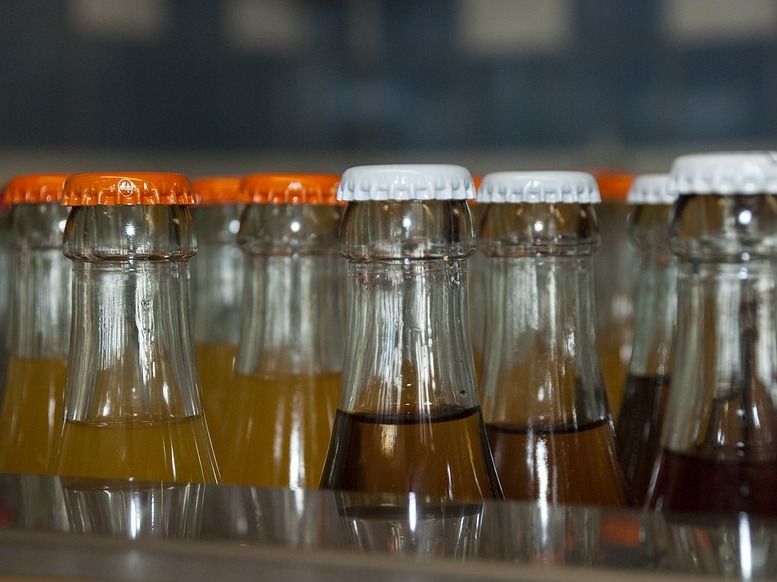
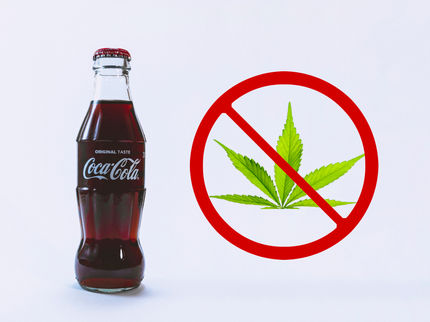
Almost immediately after the “soda tax” went into place, Philadelphians were 40 percent less likely to drink soda every day, a new Drexel University study found.
marsjo/ Pixabay
Published in the American Journal of Preventive Medicine and led by Yichen Zhong, a doctoral student at the Dornsife School of Public Health, the independent study surveyed almost 900 city residents immediately before and after the tax was implemented. The study found that, compared to residents of nearby cities like Trenton, Camden and Wilmington, Philadelphia residents were 40 percent less likely to drink sugary soda and 60 percent less likely to drink an energy drink each day.
At the same time, Philadelphians became 58 percent more likely to drink bottled water every day.
“If distributors fully pass the tax on to customers, it could increase the price of soda and energy drinks by about 20 percent,” said Zhong. “It is expected that a price increase of that magnitude will influence some consumers to stop purchasing non-essential items like sugary soda and possibly switch to a lower-priced beverage, like bottled water — and our results are in line with that.”
Previous studies have focused on the impact the tax has had on the stores that sell beverages since the levy’s full implementation in 2017. But this is the first study to see whether the diets of residents changed.
Amy Auchincloss, PhD, an associate professor in the Dornsife School of Public Health and a co-author of the paper, explained that measuring consumption instead of sales “means that this study can more directly assess health impacts from the tax.” Looking at daily consumption of sugary drinks is important because public health professionals frequently use that as an indicator of unhealthy levels of intake.
Sugary fruit drinks (like the fruit flavors of Snapple and Sunny Delight) were not seen to have a decline in consumption, even though they were also taxed.
“We were not able to assess whether this was because retailers didn’t raise prices for fruit drinks or whether consumers chose to pay more for those beverages. Those drinks may be viewed as healthier than soda despite having the same amount of added sugar (about 10 packets of sugar per 12-ounces),” Auchincloss said.
Although the political campaign around the tax focused on increasing revenue to make pre-K schooling more widely available in Philadelphia, a sugar-sweetened beverage tax has obvious implications for public health.
“There is ample evidence that extra calories from sugary beverages are connected to weight gain,” noted Auchincloss. “Frequent consumption of sugary beverages has also been linked to higher risk of type-2 diabetes, heart disease and tooth decay. Considering that 30 percent of Philadelphians have at least one sugary beverage each day, any kind of cut in consumption could be impactful.”
Since the study focused on the first two months of the tax, Zhong said it is too early to tell whether the tax will have lasting impacts on reducing soda and energy drink consumption. Still, there is some evidence from elsewhere that indicates it might.
“Drops in soda consumption were maintained after two years following the implementation of a sugary beverage tax in Mexico,” Zhong said. “So, it’s possible that the Philadelphia tax will have longer-term impacts on beverage choice, but it is still too early to tell here.”
Brian Lee, PhD, of the Dornsife School of Public Health, and former faculty member Genevieve Pham Kanter, PhD, both served as co-authors on the paper, “The Short-Term Impacts of the Philadelphia Beverage Tax on Beverage Consumption.” The Beverage Choice Survey was funded by Dornsife School of Public Health and received support from the school’s Urban Health Collaborative.
Other news from the department business & finance