More than two thirds of Germans regularly drink functional drinks
Survey shows: fruit drinks with vitamins are just behind energy drinks

functional drinks are no longer a niche topic, but have become part of consumers' everyday lives. A survey [1] conducted by the market research company NIQ on behalf of the Valensina Group confirms this: At 70 percent, more than two thirds of respondents consume functional drinks. In addition to energy drinks, fruit-based drinks with vitamins and minerals are particularly popular.
Function meets fruit
More and more people today are looking for enjoyment with added value and are turning to beverages that offer this. Energy drinks (36%) and fruit drinks with vitamins and minerals (33%) are in first place, followed by teas with functional benefits (28%) and sports drinks (25%).
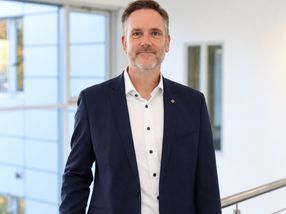
It is also clear that consumers are not just looking for function: Taste is the decisive selection criterion. "Function alone is not enough," comments Tino Mocken, Managing Director of the Valensina Group. "Taste always comes first. As a beverage all-rounder with special fruit expertise, this is where our strength lies - we combine fruity taste with functional added value. The best examples are our new Valensina Spor+ drinks, which we developed together with Joshua Kimmich, and the fruity ginger shots from HITCHCOCK."
Versatile everyday companions
The central role of enjoyment in functional drinks is shown by the occasions on which they are most frequently consumed. Most (39%) drink them for pure enjoyment or as a refreshment between meals (35%). They are a popular choice for around a third as a health routine, i.e. for their effect.
When asked about the reasons for consuming functional drinks, most people cite strengthening the immune system (43%), and many also drink them for an energy boost (38%). Intestinal health/digestion followed in third place (34%).
[1] The survey was conducted between May 7 and 11, 2026. A representative sample of the German-speaking population of 1,024 men and women aged 18-74 were surveyed.
Note: This article has been translated using a computer system without human intervention. LUMITOS offers these automatic translations to present a wider range of current news. Since this article has been translated with automatic translation, it is possible that it contains errors in vocabulary, syntax or grammar. The original article in German can be found here.

Other news from the department business & finance