Lupin as a source of protein in baked goods and meat substitutes: is there a risk of allergy?
Bound fat molecules enhance the immune response
Advertisement


Why do some people react much more strongly to plant-based foods than others? A new study, now published in the journal Scientific Reports, shows that not only the allergy-triggering proteins play a role. Fat molecules (lipids) bound to these proteins can significantly enhance the activation of allergy-relevant immune cells, thereby influencing the intensity of allergic reactions.
More than 3 million people in Germany are affected by food allergies. Even tiny amounts of certain foods can trigger severe reactions, ranging from skin symptoms and breathing difficulties to life-threatening anaphylaxis. Notably, the severity of these reactions varies considerably among individuals.
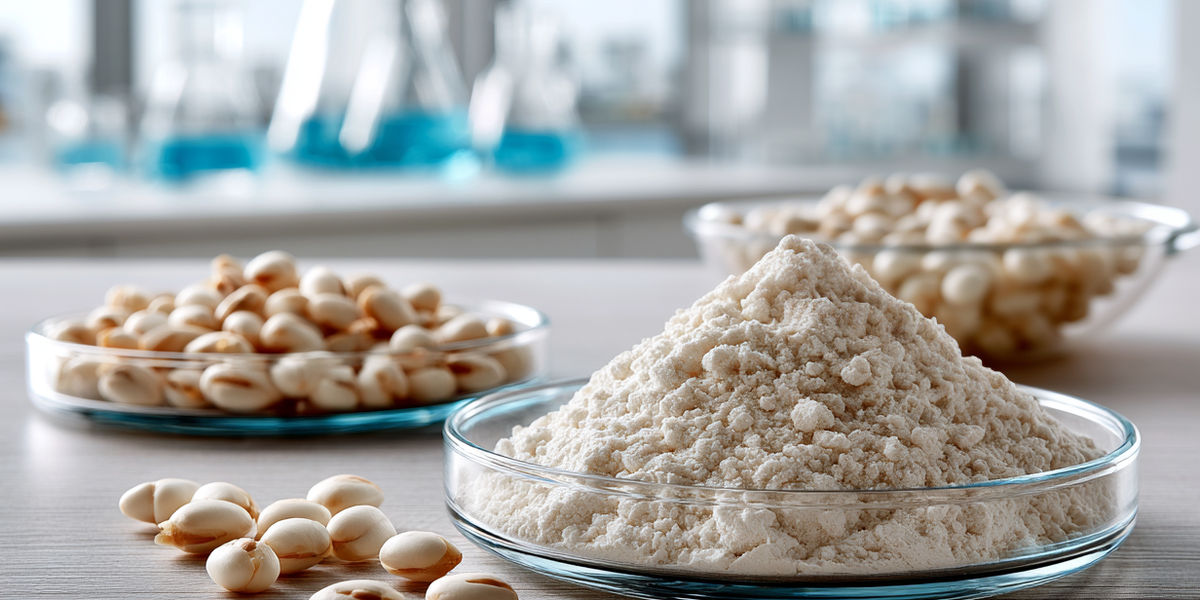
The study by Prof. Uta Jappe, Dr. Jochen Behrends, and Prof. Andra Schromm focused on a newly identified and previously little-characterized lipid transfer protein (LTP) from yellow lupin (Lupinus luteus), discovered at the Borstel Research Center, Leibniz Lung Center (FZB). LTPs are among the most important triggers of severe plant-food allergies and are found in peanuts, lupin seeds, and various fruits, among other sources. Lupin seeds are becoming increasingly important because they are being used more frequently as a plant-based protein source in foods such as baked goods, meat substitutes, and gluten-free products. However, the reasons why LTPs are increasingly associated with severe allergic reactions have not been fully understood.

The Borstel research team has now shown
that the lupin LTP studied specifically binds and transports certain lipids. This binding alters the protein’s interaction with cell membranes, resulting in particularly effective activation of allergy-related immune cells. The cells most affected are basophils - white blood cells that release histamine and other inflammatory mediators during allergic reactions, causing typical symptoms such as itching, swelling, or, in severe cases, anaphylactic shock.
A particularly interesting finding was that the lupin LTP showed a strong interaction with phosphatidylglycerol. This lipid is found not only in plants but is also an important component of bacterial cell membranes in the gut microbiome and of pulmonary surfactant in the lungs. The results suggest that such lipids may influence the allergenic activity of LTPs and open new perspectives for understanding the factors that determine the severity of allergic reactions.
“Our results show that the allergenic activity of plant proteins is not determined solely by their protein structure,” explains Prof. Dr. Uta Jappe. “The lipids they bind can also contribute substantially to how strongly the immune system reacts.”
The work was carried out through close interdisciplinary collaboration between the Clinical and Molecular Allergology Research Group (Prof. Dr. Uta Jappe), the Immunobiophysics Research Group (Prof. Dr. Andra B. Schromm), and the Science and Technology Unit, Fluorescence Cytometry (Dr. Jochen Behrends) at FZB. By combining their areas of expertise, the researchers were able, for the first time, to functionally investigate the interactions between allergens, lipids, and immune cells.
In the long term, these findings could help improve the identification of high-risk patients and enhance the assessment of plant allergens. Given the growing use of lupins as a plant-based protein source in foods, such insights are becoming increasingly important.
Original publication


Other news from the department science