Innovative Methods for β-Glucan Extraction
Extracting β-glucans Without Acids or Alkalis: DIL and TU Hamburg Test Hot-Water Hydrolysis
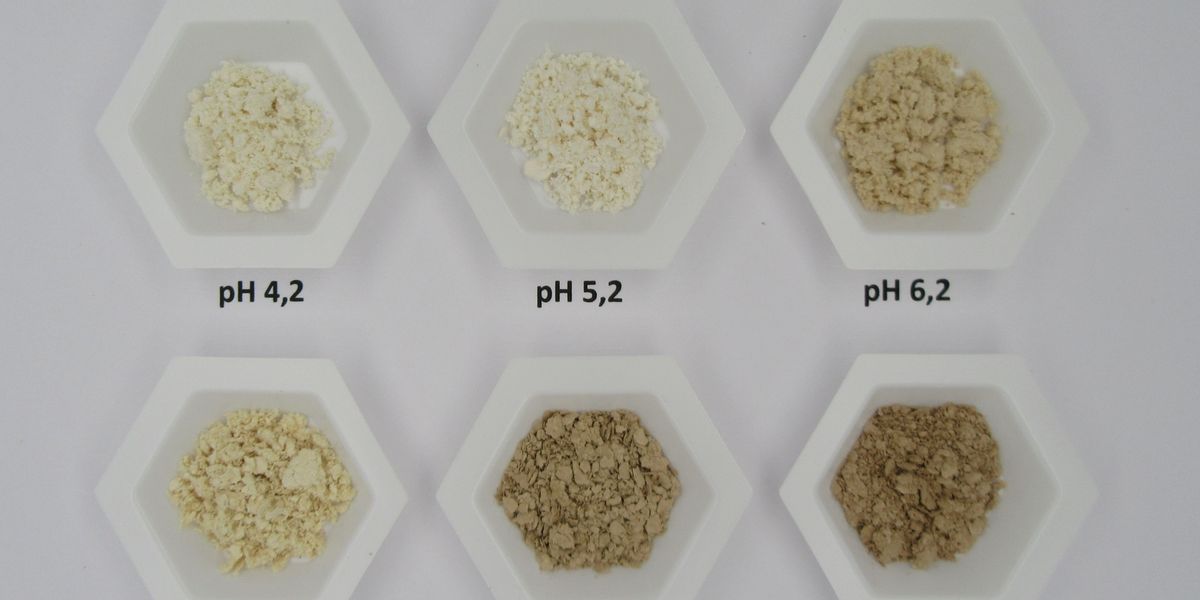
Oats and barley, as well as yeast, mushrooms, and algae, contain valuable β-glucans. Due to their health-promoting properties, they are in high demand as functional food ingredients or dietary supplements. However, extracting them has been a labor-intensive process until now. In an IGF project coordinated by FEI, researchers from DIL and the Technical University of Hamburg are developing a continuous process for extracting β-glucans using hot-water hydrolysis. The goal is to develop a continuous process that can efficiently and as gently as possible extract β-glucans from various types of biomass—including byproducts such as spent grain.
Oats and barley, as well as yeast, fungi, and algae, contain valuable β-glucans. Depending on their source, they differ in their biological properties: β-glucans from grains, for example, can positively influence the regulatory mechanisms of the gut microbiome, while β-glucans derived from yeast or mushrooms are particularly significant due to their immunostimulatory effects. Demand for these natural dietary fibers is correspondingly high—for example, as functional ingredients in foods or as dietary supplements. However, their extraction has so far been a complex process: Conventional methods often require multiple process steps, long treatment times, or the use of acids, alkalis, or enzymes. There is therefore a need for a process that allows β-glucans to be extracted more efficiently and continuously from various types of biomass—including by-products such as spent grain.
This is precisely what researchers at the German Institute of Food Technology (DIL) and the Technical University of Hamburg are working on in a Joint Industrial Research (IGF) project coordinated by the FEI. They aim to utilize so-called hot water hydrolysis (Liquid Hot Water, LHW) —the digestion of biomass with hot water at temperatures above 100 °C and under elevated pressure—for the continuous extraction of β-glucans while achieving the highest possible yields.
A key advantage of the process is that during LHW hydrolysis, the high temperatures generated under pressure alter the properties of the water in such a way that components of the biomass can be extracted more easily—without the need for additional acids or alkalis. It is crucial to tailor the process conditions to the specific raw material: oat bran behaves differently during digestion than spent grain, yeast, mushrooms, or algae. In addition, particle size, temperature, and treatment duration influence how much β-glucan is extracted and what properties it subsequently possesses. The research teams are therefore systematically investigating how different types of biomass and process parameters affect the yield and quality of the β-glucans obtained. The goal is to alter the molecular structure as little as possible so that relevant properties are preserved. Initially, the relationships are being investigated in small high-pressure reactors. Subsequently, the findings will be applied to continuous processing, such as in extruders, where the biomass is continuously treated under defined temperature and pressure conditions. In the next phase, a demonstration plant operating under conditions similar to those in industrial settings will be used to verify whether the process conditions determined in the laboratory can also be implemented at higher throughput rates.
The process is particularly relevant for small and medium-sized enterprises. This is because biomass rich in β-glucan is a direct byproduct of many food-processing facilities. For example, spent grain from beer production or bran from grain processing are generated as byproducts and have so far been used primarily as animal feed. If higher-value ingredients could be extracted from these on-site, the available biomass could be utilized more effectively and additional value added.
Upon completion of the research, the goal is not only to identify the optimal conditions for the efficient extraction of β-glucans from various raw materials but also to evaluate the economic viability of the continuous process. The results are intended to help companies assess for which types of biomass and applications it is worthwhile to switch from the currently standard batch processing to a continuous process. This could open up new opportunities, particularly for small and medium-sized enterprises, for the resource-efficient and economical extraction of sought-after β-glucans.
Further information on Project 01IF23926N “Continuous Biomass Hot Water Hydrolysis (LHW) for the Extraction of β-Glucans,” which is funded by the Federal Ministry for Economic Affairs and Energy (BMWE) as part of the Joint Industrial Research (IGF) program, is available at the following link: https://www.fei-bonn.de/01if23926n.projekt .
Note: This article has been translated using a computer system without human intervention. LUMITOS offers these automatic translations to present a wider range of current news. Since this article has been translated with automatic translation, it is possible that it contains errors in vocabulary, syntax or grammar. The original article in German can be found here.

Other news from the department science