Polyphenol-rich diets linked to better long-term heart health
study of 3,100 adults shows tea, berries, nuts reduce heart disease risk
Advertisement


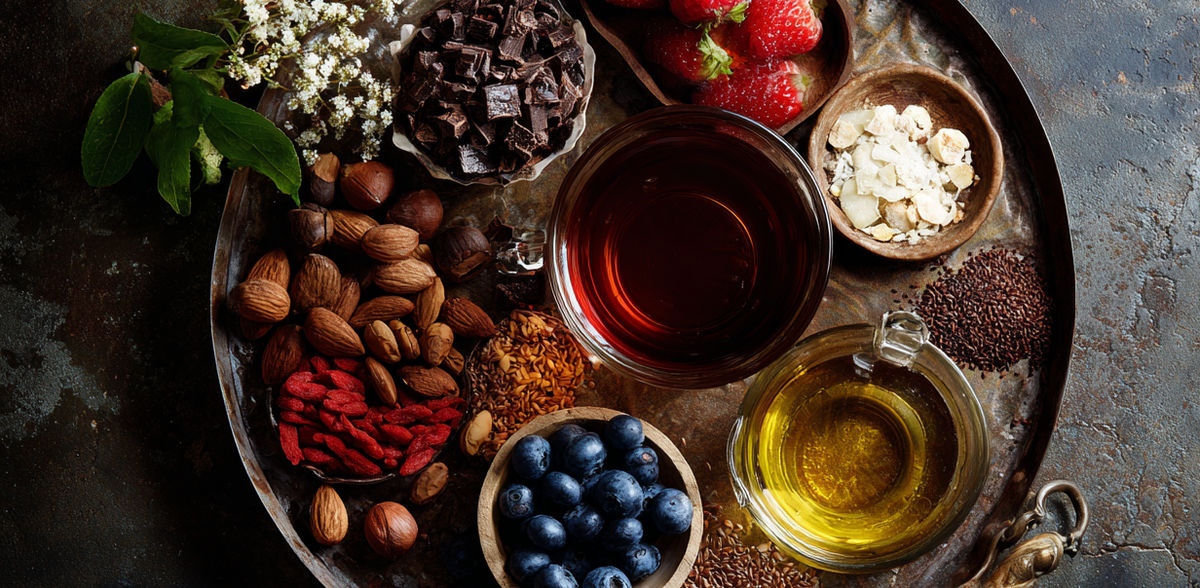
People who regularly consume polyphenol-rich foods and drinks, such as tea, coffee, berries, cocoa, nuts, whole grains and olive oil, may have better long-term heart health.
The research, led by King’s College London, found that those with higher adherence to polyphenol-rich dietary patterns had lower predicted cardiovascular disease (CVD) risk.
Polyphenols are natural compounds found in plants that are linked to various health benefits, including improved heart, brain, and gut health.

The study, published in BMC Medicine, followed more than 3,100 adults from the TwinsUK cohort for over a decade, found that diets rich in specific groups of polyphenols were linked to healthier blood pressure and cholesterol profiles, contributing to lower CVD risk scores.
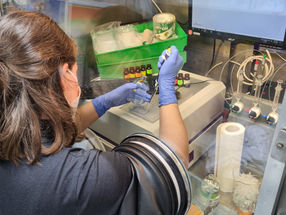
For the first time, the researchers also analysed a large number of metabolites in the urine that are produced when the body breaks down polyphenols.
These biomarkers confirmed that individuals with higher levels of polyphenol metabolites—especially those derived from specific groups of polyphenols, flavonoids and phenolic acids—had lower cardiovascular risk scores. They also had increased HDL cholesterol, also know as ‘good’ cholesterol.
The study used a newly developed polyphenol dietary score (PPS) to capture intake of 20 key polyphenol-rich foods commonly consumed in the UK, ranging from tea and coffee to berries, olive oil, nuts, and whole grains.
This score showed stronger associations with cardiovascular health than estimates of total polyphenol intake, likely because it captures overall dietary patterns rather than individual compounds.This finding suggests that considering the whole diet provides a more accurate picture of how polyphenol-rich foods work together to support long-term heart health.
Professor Ana Rodriguez-Mateos, senior author and Professor of Human Nutrition at King’s College London, said: “Our findings show that long-term adherence to polyphenol-rich diets can substantially slow the rise in cardiovascular risk as people age. Even small, sustained shifts towards foods like berries, tea, coffee, nuts, and whole grains may help protect the heart over time.”
Dr Yong Li, first author of the study, added: “This research provides strong evidence that regularly including polyphenol-rich foods in your diet is a simple and effective way to support heart health. These plant compounds are widely available in everyday foods, making this a practical strategy for most people.”
The researchers note that while cardiovascular risk naturally increases with age, higher polyphenol intake was associated with a slower progression of risk over the 11-year follow-up period. They also emphasise the need for future dietary intervention studies to further validate these associations.


Other news from the department science