Growing interest in sustainable nutrition meets gaps in knowledge
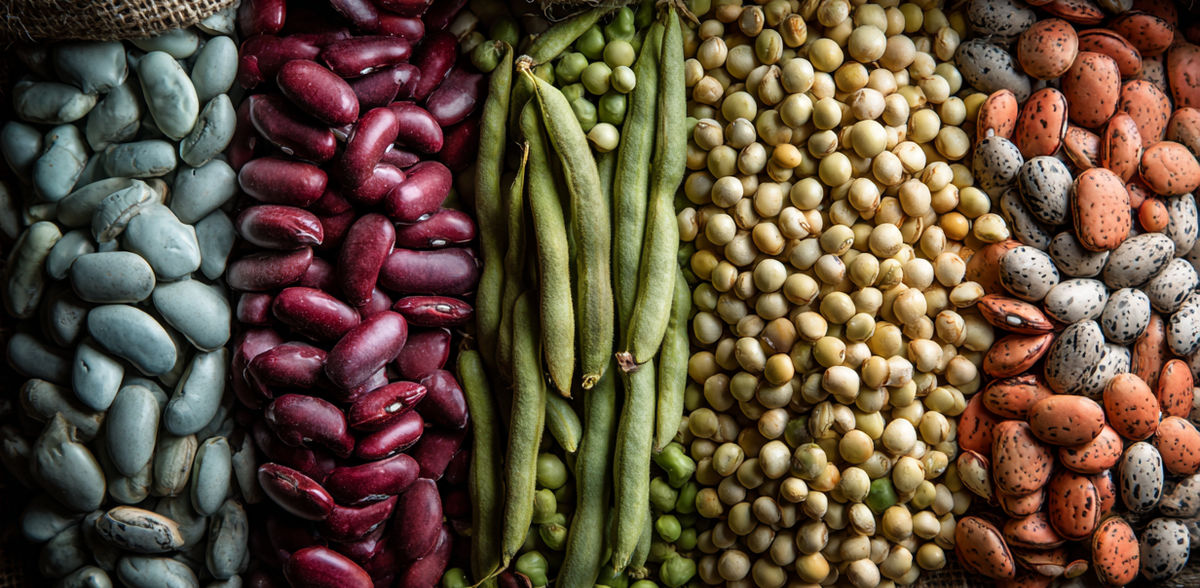
In view of climate change and resource consumption, interest in food with a lower environmental impact is growing. However, only around a third of the population is aware that growing European pulses has benefits for the climate and the environment. This is shown by a survey conducted by the industry association UFOP.
Field beans, grain peas, sweet lupins and soybeans improve soil quality, loosen up cereal-rich crop rotations and do not require mineral nitrogen fertilizers. These properties are considered important building blocks for more resilient cultivation systems in Europe. However, they are only known to a limited extent in society.
The survey shows that only part of the population is aware of the ecological benefits of cultivation. For example, 30 percent of respondents know that grain legumes improve soil fertility. 34 percent are aware of their contribution to increasing biodiversity. 33 percent have heard of the reduced need for mineral fertilizers and 36 percent that the crops provide food and habitat for insects. Other benefits such as an improvement in water retention capacity or the build-up of humus are only known to around a quarter of respondents.
At the same time, pulses are rated positively as a foodstuff overall. 79 percent of respondents consider them to be natural foods. 52 percent see them as environmentally friendly and 45 percent as climate-friendly.
Against the backdrop of increasing demands on agriculture and nutrition, grain legumes are gaining strategic importance. The survey makes it clear that there is a basic trust in these crops, even if their environmental and climate impact has so far only been perceived to a limited extent. How this knowledge develops will help determine the role of European pulses in future food systems.
* The consumer survey was conducted by B2con on behalf of the Union zur Förderung von Oel- und Proteinpflanzen (UFOP). A total of 1,030 people in Germany were surveyed.
Note: This article has been translated using a computer system without human intervention. LUMITOS offers these automatic translations to present a wider range of current news. Since this article has been translated with automatic translation, it is possible that it contains errors in vocabulary, syntax or grammar. The original article in German can be found here.
Other news from the department science