Germany becomes the largest market for non-alcoholic beers in Europe
German breweries achieve double-digit sales share for non-alcoholic beers and beer mixes for the first time
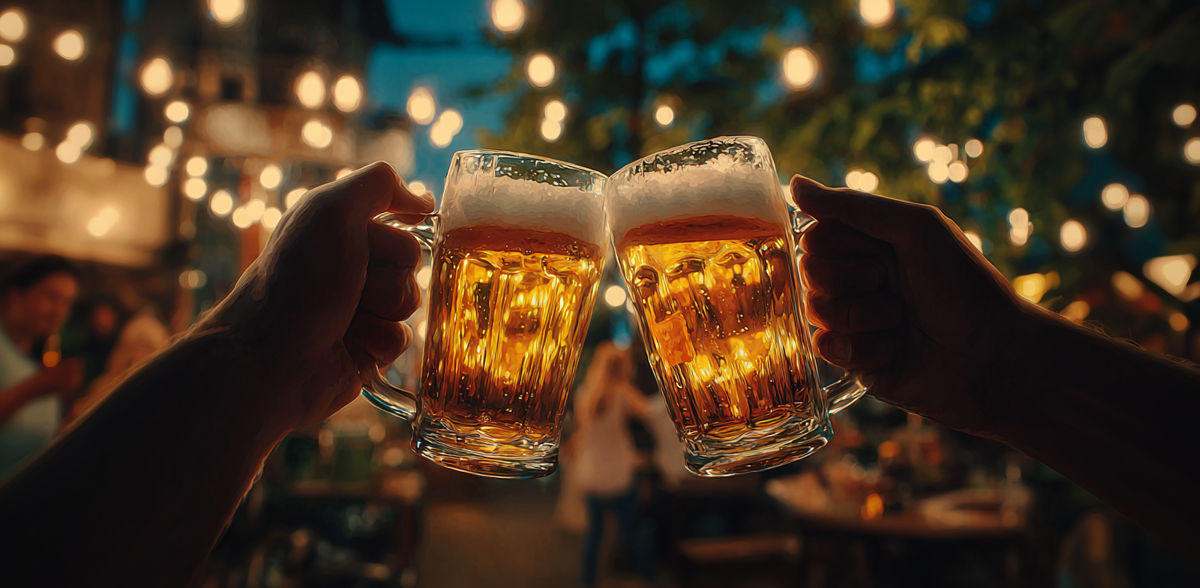
non-alcoholic beers are the fastest growing type on the German beer market. According to the German Brewers' Association and data from the market research company NielsenIQ, non-alcoholic beers and mixed beer drinks will exceed the 10% mark in retail sales for the first time in 2025 and could reach this threshold in terms of market share before the end of the year. "The 1,500 breweries in Germany offer an enormous variety of non-alcoholic brands that are also brewed in accordance with the Purity Law. Due to the increasing popularity of these beers, we have now become the largest market for non-alcoholic beers in Europe. People are looking for high-quality, tasty beers that suit every situation, and we are delighted to be able to offer them this variety," said Christian Weber, President of the German Brewers' Association, in Berlin. He emphasized the innovative strength of the predominantly medium-sized and craft breweries in Germany, which are not only very successful in the field of non-alcoholic beers and soft drinks, but also enrich the variety with seasonal specialties, regional beer styles and craft beers.
Pilsner and Helles are the most popular beers among Germans
In terms of popularity among Germans, non-alcoholic beers have already worked their way up to third place with a current market share of 9.5% - but pilsner remains the undisputed market leader with a market share of almost 50%. In second place is the growing light beer category (approx. 12%), which is attracting more and more consumers throughout Germany. With their mild, balanced taste, moderate bitterness and high drinkability, light beers appeal to a broad target group, from classic beer lovers to younger and pleasure-oriented consumers. The German Brewers' Association sees this development as a strong signal for the innovative strength and adaptability of the German brewing industry - and for the continuing appeal of German beer culture as a whole.
By far the most beers in Germany are still sold in returnable bottles. The classic 20-bottle returnable crate retains a market share of around 50 percent. With a total reusable share of just under 80%, breweries are the only sector of the beverage industry to exceed the environmental policy target of 70% set out in the German government's Packaging Act.
Slump in consumption leaves its mark
Overall, the beer market in Germany was in decline in 2025. As reported by the Federal Statistical Office, beer sales fell by 6% last year. The Destatis figures do not include non-alcoholic beers and malt beverages. 82.5% of beer sales in 2025 were destined for domestic consumption. The Brewers' Association cites the consumer climate as one of the main reasons for the decline in beer sales in Germany, as in many other European countries. "Like retailers and restaurants, breweries are feeling the effects of consumers' massive reluctance to spend," says DBB Managing Director Holger Eichele. The situation in the hospitality industry remains worrying, with many businesses having not recovered since the pandemic. The great market power of the retail sector also remains a problem for the brewing industry.
In light of the fact that 2026 will also be a very challenging year for the entire food and beverage industry, the industry association is calling for more determined efforts from politicians, particularly in terms of energy policy and reducing bureaucracy. Even though the brewing industry has proven to be resilient and crisis-proof in recent years and many companies have succeeded in tapping into new markets and target groups, breweries are still under massive pressure on the cost side. Alongside wages, energy is the biggest cost driver. "A reliable, predictable and competitive energy policy is of central importance for the brewing industry," emphasized Eichele. Breweries are energy-intensive businesses. Highly fluctuating prices, unclear subsidy conditions and a lack of long-term planning security make investments in efficiency, climate protection and innovation considerably more difficult. The industry generally supports the climate targets and has been investing massively in modern, energy-saving technologies for years. However, these investments can only be continued if political framework conditions offer reliability. This includes affordable energy prices, a practical design of funding programs and a clear, long-term energy policy course that secures industrial value creation in Germany.
Note: This article has been translated using a computer system without human intervention. LUMITOS offers these automatic translations to present a wider range of current news. Since this article has been translated with automatic translation, it is possible that it contains errors in vocabulary, syntax or grammar. The original article in German can be found here.
Other news from the department business & finance