Mutti Posts Solid Results in a Season Marked by Extreme Weather Conditions
CEO Francesco Mutti Calls for Investments in the Industry's Infrastructure After the Season
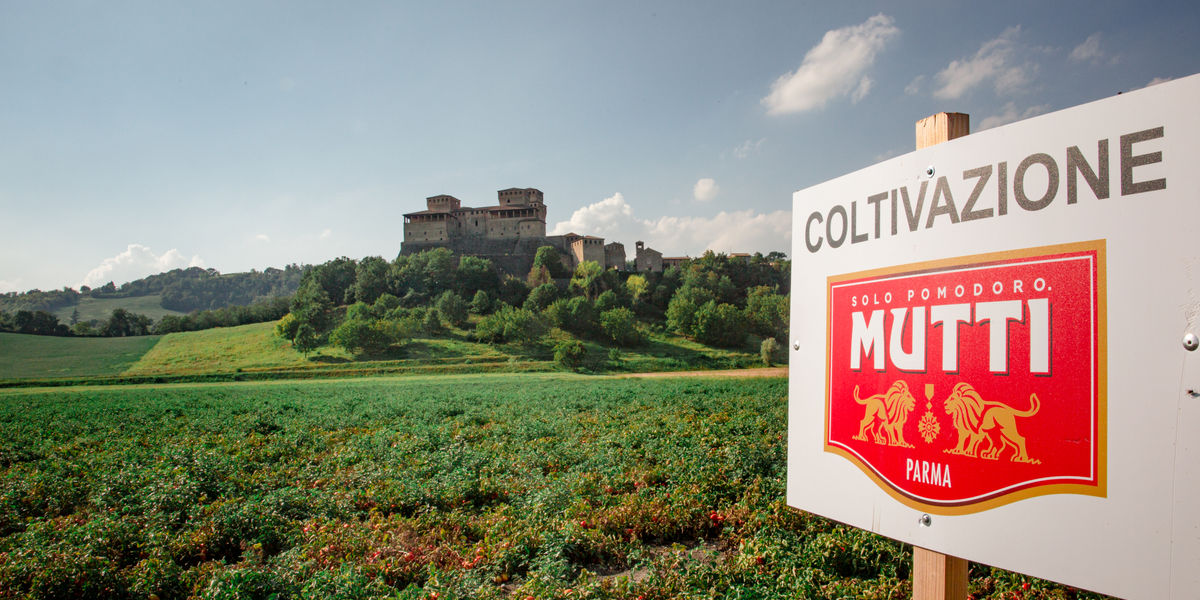
The company processed 775,000 metric tons of tomatoes and was able to maintain quality and production continuity despite yields that were below the five-year average.
The season, which began earlier than ever before, clearly demonstrated how extreme weather conditions and climate change are increasingly putting pressure on the supply chain.
CEO Francesco Mutti explains: “The industry’s resilience must not depend on favorable external conditions. Immediate investment in infrastructure and responsible planning are needed.”

Mutti, Europe’s leading group in the tomato products market, concluded the 2026 tomato season with solid and positive results. A total of 775,000 metric tons of raw tomatoes were processed—a volume that underscores the company’s ability to maintain operational continuity and its high quality standards even in a particularly challenging year. With processing beginning as early as the first week of July—earlier than ever before—the 2026 season demonstrated the resilience of the Mutti model in the face of the industry’s growing challenges.
The Climate Challenge: An Early Warning Sign for the Industry
This year, too, the season was marked by extreme weather events—a clear warning sign for the future of Italian agriculture. Unusually high temperatures and severe hailstorms significantly impaired crop development and led to yields per hectare below the five-year average, particularly in northern Italy.
Nevertheless, Mutti’s close ties to the growing regions and the flexible organization of its production sites made it possible to ensure the quality of the final products. Southern Italy demonstrated greater production resilience and, for some crops, exceptionally high quality—particularly for the tomatoes used in Pelati.
“From an agronomic perspective, the 2026 season confirmed that the climate crisis is presenting us with new scenarios for which we are not yet fully prepared. Bringing the start of the processing season forward to early July was a response to the heat-accelerated ripening, while the second half of the summer saw a significant drop in Brix levels and lower yields,” says Massimo Perboni, Director of Agricultural Services at Mutti SpA.
“It was a challenging summer, but we are proud of our collaboration with our farmers and the flexibility of our production sites: both have enabled us to ensure the outstanding quality of our raw materials and meet our high quality standards.”
The Vulnerability of the Production System and Volume Management
In addition to weather-related factors, the 2026 season once again highlighted the importance of increasingly precise coordination throughout the entire supply chain. Given the large areas of farmland across the country, there was a risk at the start of the season of a potential imbalance between planned production volumes and the industry’s actual processing capacities.
The potential oversupply was gradually absorbed over the following months, as yields fell short of initial forecasts, thereby rebalancing total volumes at the national level.
Forward-Looking Planning Creates Stability
In this complex environment, Mutti once again proved to be a benchmark for the industry: By opening its production facilities early, the company was able to respond quickly to farmers’ delivery needs. At the same time, the long-standing incentive system—ranging from the quality bonus and the Pomodorino d’Oro award to additional incentives for particularly early-harvested tomatoes—ensured economic stability and operational continuity for its agricultural partners.
For the German market as well, it is not only the outcome of the harvest that matters, but also the question of how this quality can be ensured under increasingly challenging conditions. Transparency regarding origin, cultivation, and the management of natural resources is becoming just as important as a forward-looking approach to the consequences of climate change. This is precisely where Mutti comes in with its long-term commitment to quality.
“Mutti’s results this season are solid and reward our commitment, but we can no longer put off addressing the challenges of the climate crisis, particularly water scarcity. As glaciers and snowfields continue to disappear, we face increasingly dry summers. This is a problem for the entire Po Valley, not just for our industry,” explains Francesco Mutti, CEO of Mutti SpA.
"We can no longer rely on external factors, and we certainly cannot afford to wait until disaster has already struck before taking action. Mutti will continue to do its part by investing in quality and value creation for our partners. However, without immediate investments in infrastructure and responsible planning, the entire ‘Made in Italy’ economy faces a systemic risk.”
Note: This article has been translated using a computer system without human intervention. LUMITOS offers these automatic translations to present a wider range of current news. Since this article has been translated with automatic translation, it is possible that it contains errors in vocabulary, syntax or grammar. The original article in German can be found here.

Other news from the department business & finance














Most read news





More news from our other portals























See the theme worlds for related content
Topic world Quality assurance
In the food industry, quality assurance is about much more than safety. It's about ensuring consistent standards that meet consumers' taste, nutritional and aesthetic expectations. Using state-of-the-art analytical methods and strict protocols, Quality Assurance ensures that every product delivers on the brand's promise. From appearance and taste to texture and shelf life, Quality Assurance ensures consumers get exactly what they expect.

Topic world Quality assurance
In the food industry, quality assurance is about much more than safety. It's about ensuring consistent standards that meet consumers' taste, nutritional and aesthetic expectations. Using state-of-the-art analytical methods and strict protocols, Quality Assurance ensures that every product delivers on the brand's promise. From appearance and taste to texture and shelf life, Quality Assurance ensures consumers get exactly what they expect.