BASF Agricultural Solutions and IRRI Extend Partnership to Further Advance Sustainable Rice Cultivation
Phase two of OPTIMA Rice examines soil health, carbon sequestration, and the use of biochar
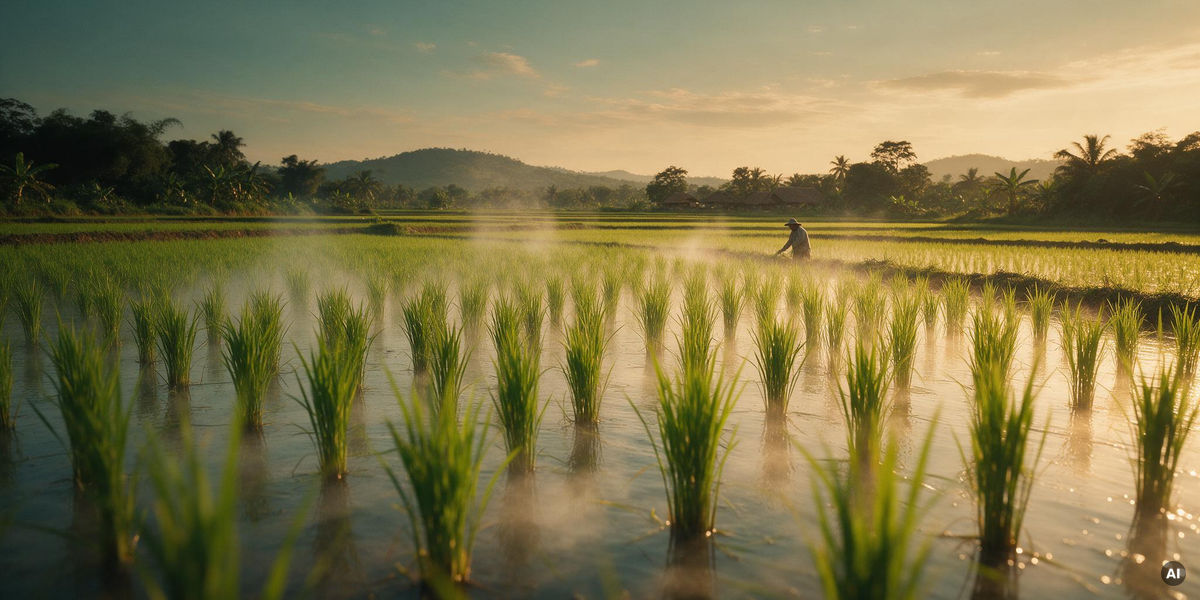
First-phase research confirmed practical approaches to reducing methane emissions in rice production; the second phase explores soil health, carbon storage, and biochar applications
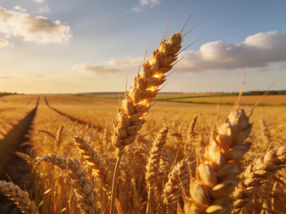
BASF Agricultural Solutions and the International Rice Research Institute (IRRI) have extended their scientific collaboration, titled “Optimizing Management for Reduction of Greenhouse Gases in Rice” (“OPTIMA Rice”), to further advance sustainable rice cultivation, with a focus on reducing methane and other greenhouse gases. Launched in 2024, the project aims to develop solutions that are practical, economically viable for farmers, and supported by evidence from the field. The multi-year collaboration combines BASF’s expertise in integrating sustainable agricultural practices into real-world farming systems with IRRI’s world-leading rice research.
The first phase of OPTIMA Rice demonstrated that allowing rice paddies to dry out at controlled intervals—a practice known as Alternate Wetting and Drying (AWD), made possible through Direct Seeded Rice—can significantly reduce methane emissions and lower water use without compromising yields (see the Global Carbon Field Trial Report 2025). This is especially important for farmers considering participation in carbon farming programs, as they would need to adjust their rice paddy irrigation practices. In addition, improved straw management can further reduce methane emissions.
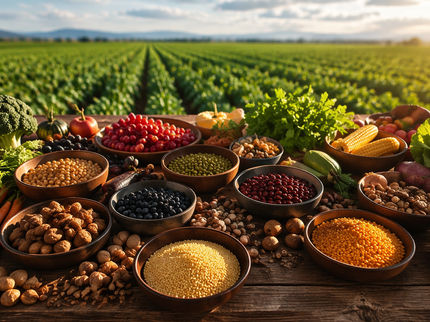
In the next phase, BASF and IRRI will shift their focus to soil health—particularly the role of carbon and nitrogen in the soil. Alongside reducing emissions, climate-smart farming must preserve soil health to ensure long-term productivity. The project highlights the need to better understand how changes in water use affect soils over time. Together, the partners will also explore further approaches, such as the use of biochar, which can help store carbon in the soil while improving its fertility and structure.
“Climate-smart rice systems must work on the farm, not just on paper,” said Marko Grozdanovic, Senior Vice President, Global Strategic Marketing & Sustainability, BASF Agricultural Solutions. “We know that adopting new approaches is not always easy for farmers. It takes trust, support, and proven solutions. By expanding our collaboration with IRRI, we are strengthening the scientific foundation needed to help farmers implement climate-smart rice practices with confidence, while deepening our focus on soils.”
“Rice is a staple food for billions of people, and transforming how it is grown is critical for both climate action and sustainable livelihoods for farmers,” said Yvonne Pinto, Director General of IRRI. “Through our continued collaboration with BASF, we are combining scientific rigor with tangible solutions. High-quality evidence and trusted collaborations are key to supporting farmers, protecting the environment, and strengthening the global food system.”
While OPTIMA Rice is rooted in field trials in the Philippines, insights from the collaboration are designed to be relevant across major rice-growing regions globally—whether in markets such as China, India, Japan, Brazil, or Italy.
Note: This article has been translated using a computer system without human intervention. LUMITOS offers these automatic translations to present a wider range of current news. Since this article has been translated with automatic translation, it is possible that it contains errors in vocabulary, syntax or grammar. The original article in German can be found here.
Other news from the department research and development