New bisphenol A limit value for drinking water

drinking water in Germany is a high quality and very strictly controlled foodstuff. A new drinking water ordinance introduced last year now also sets a limit value for the common substance bisphenol A. This substance is used in the production of plastics and resins. It is used in the manufacture of plastics and resins. TÜV SÜD provides information on the new regulations that now apply to bisphenol A and why food companies and food start-ups should also take this into account.
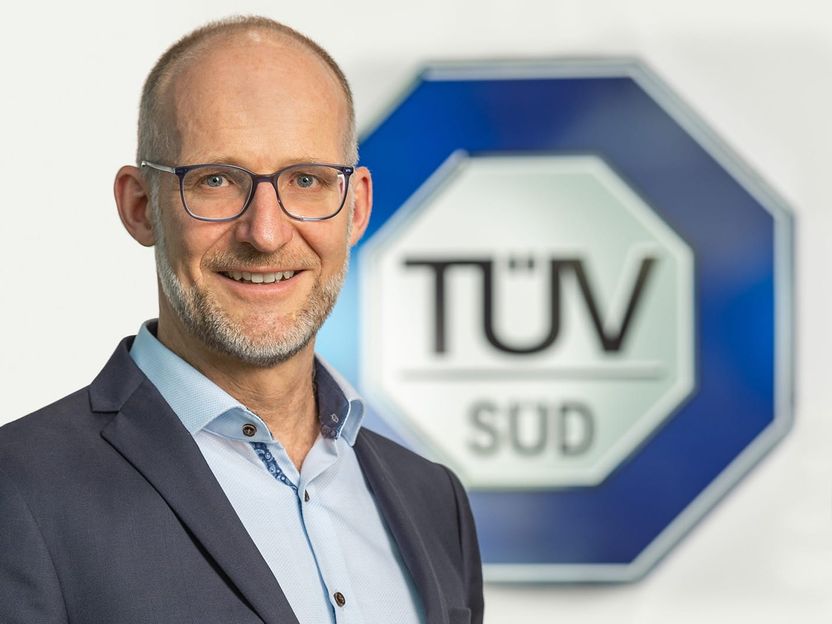
Dr. Andreas Daxenberger, food expert at TÜV SÜD
TÜV SÜD
The revised Drinking Water Ordinance regulates all aspects of drinking water in Germany, such as its quality, treatment processes, transportation and the obligations of water suppliers and monitoring authorities. It also contains strict limit values for a whole range of substance groups. These apply to all water that reaches the tap - regardless of whether it is used for drinking, cooking, showering or watering flowers. With the update of the Drinking Water Ordinance, a limit value for bisphenol A, which is used as an industrial chemical, has been 20 times lower than before since January 12, 2024.
What is bisphenol A?
Bisphenol A is a chemical substance that is processed as a raw material for epoxy resins and plastics. As current research has shown that this substance can have harmful effects on the immune and endocrine systems, the amount permitted in drinking water has been significantly restricted by law. Bisphenol A is contained in consumer goods such as smartphones, drinking bottles, plastic tableware, paints, coatings and food packaging adhesives.
How does bisphenol A get into the human body?
Bisphenol A is absorbed into the human body through food and drinking water, but also through air, dust and direct contact with plastics. The pollutant gets into drinking water from materials that are used to store or distribute drinking water and contain epoxy resins. Such resins are often used as a coating agent for storage tanks or to renovate old drinking water pipes. In all population groups, food is the main source of bisphenol A intake. In addition to intake through drinking water, internally coated food cans are also responsible for the entry of the pollutant into the human body.
Obligation for food business operators
Up to the water meter of a building, water suppliers are obliged to guarantee legal requirements for drinking water safety. After that, responsibility is transferred to the person or company using the drinking water, including food business operators. They must ensure that the quality of the drinking water complies with the law by ensuring that the water pipes are intact and taking appropriate measures. These measures include the legal obligation for companies to have the water they use regularly analyzed for bisphenol A.
Important for food start-ups
The new legal requirements for drinking water testing obligations are also relevant for small companies and start-ups. "Even innovative start-ups in the food industry should not underestimate the legal requirements and consistently align their testing plans with the new regulations," emphasizes Dr. Andreas Daxenberger, food expert at TÜV SÜD. "This is because the existing limit values for arsenic, lead and chromium will also be lowered with a time lag in the coming years."
Note: This article has been translated using a computer system without human intervention. LUMITOS offers these automatic translations to present a wider range of current news. Since this article has been translated with automatic translation, it is possible that it contains errors in vocabulary, syntax or grammar. The original article in German can be found here.
Other news from the department business & finance







Most read news



More news from our other portals





















Something is happening in the food & beverage industry ...
This is what true pioneering spirit looks like: Plenty of innovative start-ups are bringing fresh ideas, lifeblood and entrepreneurial spirit to change tomorrow's world for the better. Immerse yourself in the world of these young companies and take the opportunity to get in touch with the founders.
Last viewed contents
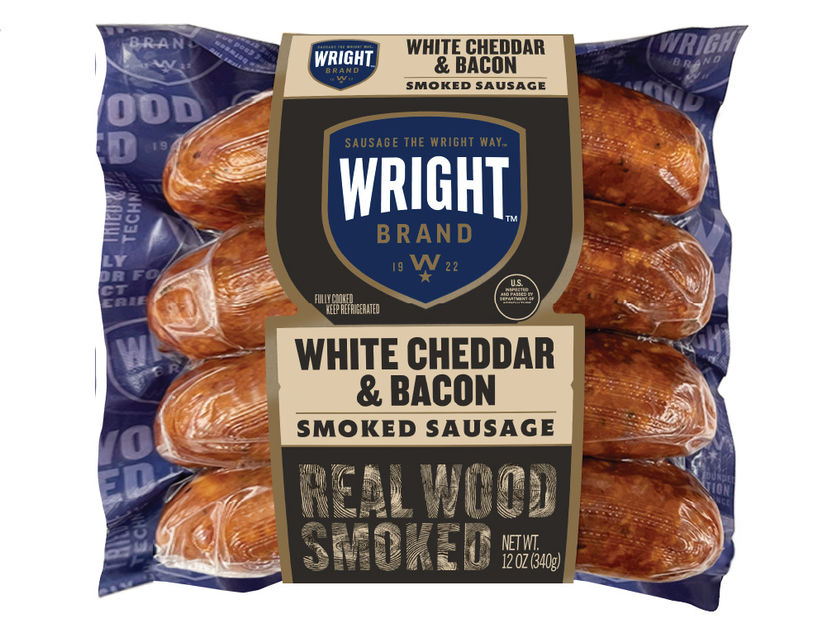
Tyson Foods Announces New Wright® Brand Premium Smoked Sausage Links - Growing Consumer Demand for Premium, Protein-Rich Foods
$30M Bezos Centre at NUS to Drive Protein Research in Asia - Backed by US$30 million from the Bezos Earth Fund, the Centre aims to revolutionise sustainable protein research and commercialization in Asia
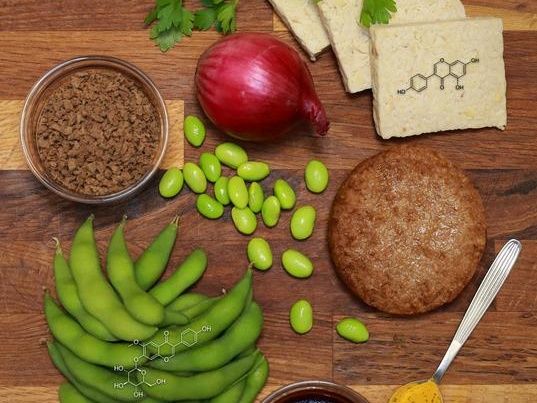
Study Reveals Gaps in Food Classifications - A Call for More Nuanced Approach to Plant-Based Food Processing

Solving the challenges of robotic pizza-making - A new technique could enable a robot to manipulate squishy objects like pizza dough or soft materials like clothing.