Milk chocolate: Fairtrade and organic labels beat brand names
Consumer advice center publishes market check on transparency and fairness of chocolate bars
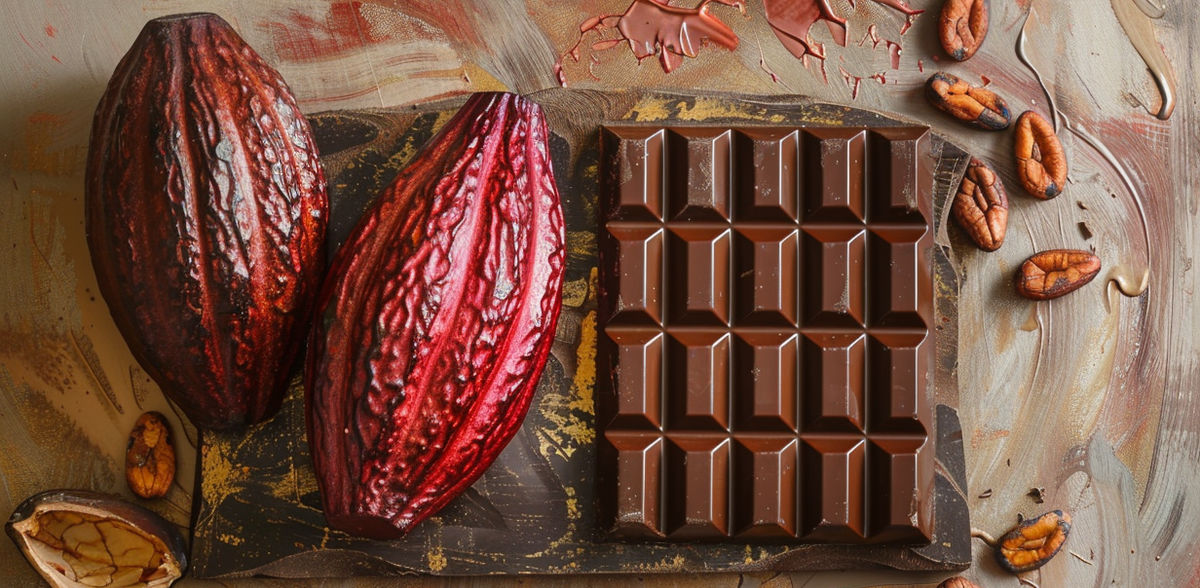
Milk chocolate is popular. But exploitation and child labor in the cultivation of cocoa plants spoil the taste. The Hamburg consumer advice center took a closer look at a selection of chocolate bars and found major differences in terms of fair trade criteria and transparency. The market check shows that expensive branded products do not automatically perform better. Often, inexpensive own brands even have higher social standards than the products of well-known brand manufacturers.
Major brands with deficits in social standards
Only a few chocolate suppliers, including Rapunzel and Tony's Chocolonely, meet strict criteria for cocoa cultivation and have earned a particularly good reputation in the past. The manufacturers of well-known brands such as Lindt and Milka often operate their own cultivation programs, but their requirements for fair working conditions are repeatedly criticized as inadequate.
"Consumers do not want to support child labor. Chocolate manufacturers must therefore ensure that their supply chains are fair overall," says Jana Fischer from the Hamburg Consumer Advice Center.
It is estimated that cocoa farmers receive less than ten percent of the price of chocolate in the supermarket. So far, only the brands Rapunzel, Tony's Chocolonely, Die Gute Schokolade and Dennree guarantee sufficient wages to cover the cost of living. Some companies have at least announced strategies for this, while the manufacturer of the Schogetten brand, Ludwig Schokolade GmbH, did not respond at all to the consumer advice center's inquiry.
Own brands often fairer than branded products
A price comparison reveals another surprising picture. The most expensive chocolate in the market check with a price per kilo of 36.90 euros - a Lindt product - shows deficits in environmental and fair trade criteria despite its high sales price. In contrast, the low-priced own brands Ja!, Fin Carré, Choceur, K-Classic and Chocóla only cost 9.90 euros per kilogram during the survey period in summer 2025 and all carry a Fairtrade seal for the cocoa content.
"Big brand names are rarely a reliable guide to fairly produced food. Independent seals or smaller suppliers with ambitious fair trade goals offer much more certainty," explains consumer advocate Fischer.
Organic chocolate impresses with ingredients and animal welfare
In addition to cocoa, milk also plays a key role in the production of milk chocolate. For organic products, dairy cows must be allowed to roam outdoors. Organic chocolates are also characterized by a high cocoa content of 33 to 38 percent. Flavorings are not used.
Conventional chocolates often only have the prescribed minimum cocoa content of 30 percent, and six of them contain flavorings. Even the high-priced chocolate from Lindt is only produced with the minimum amount of cocoa, but contains flavoring, as do Milka, Schogetten and Marabou brand products and various Aldi and Edeka own brands.
Recommendations for consumers
Anyone who values fair production conditions in cocoa cultivation and animal welfare-oriented dairy farming should choose milk chocolates with organic and Fairtrade labels. The chocolate bars from Dennree, Gepa and Die Gute Schokolade meet both criteria in the sample taken by the consumer advice center. Although Tony's Chocolonely does not carry an organic seal, it implements particularly far-reaching fair trade criteria.
Note: This article has been translated using a computer system without human intervention. LUMITOS offers these automatic translations to present a wider range of current news. Since this article has been translated with automatic translation, it is possible that it contains errors in vocabulary, syntax or grammar. The original article in German can be found here.
Other news from the department business & finance