MicroHarvest is building Europe's first industrial facility for microbial protein at the Leuna Chemical Park
Biotech scale-up invests a mid-double-digit million amount and creates about 25 new jobs at the site
Advertisement


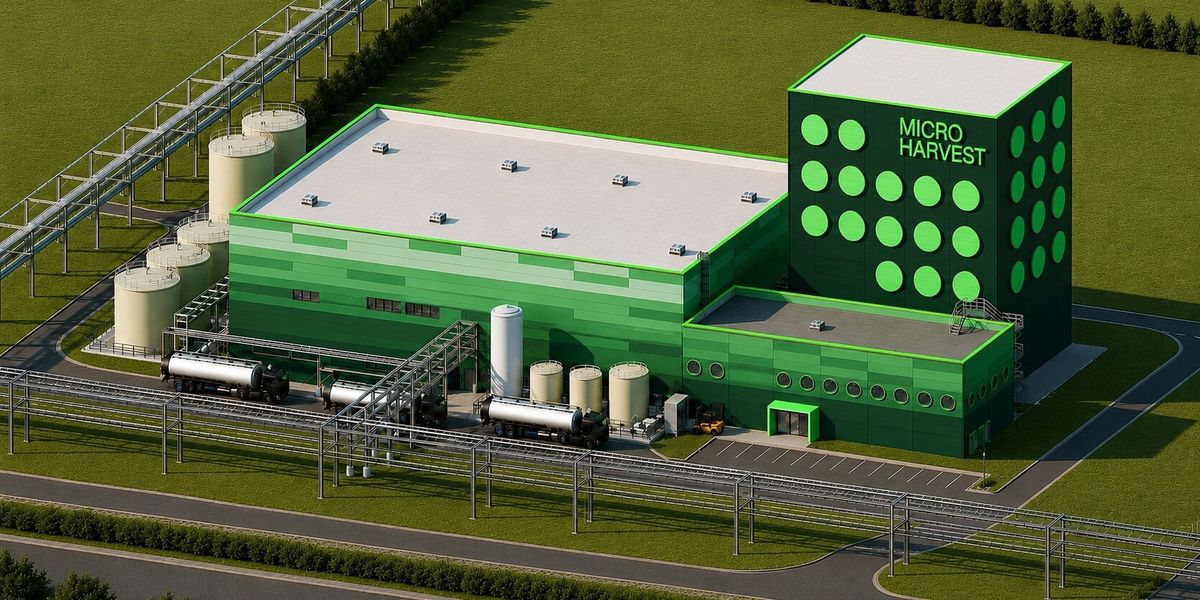
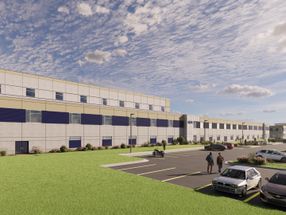
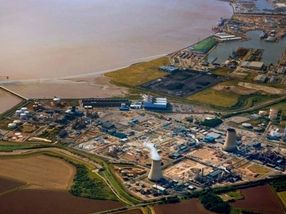
Whether on the plate or in the trough: Europe does not produce enough protein to feed its own people and animals. Countries rely on imports to meet the majority of their protein needs—primarily soy, of which the EU produces just 8 percent. The Hamburg-based biotech scale-up MicroHarvest is addressing this shortfall with a production facility in the Leuna Chemical Park, which is the first plant in Europe to produce high-quality protein on an industrial scale. On a gross floor area of approximately 5,800 square meters, the facility is expected to produce 15,000 metric tons of protein per year through biomass fermentation using regional agricultural byproducts. MicroHarvest is investing a mid-double-digit million amount and creating about 25 new jobs at the site. Drees & Sommer SE, a consulting firm specializing in construction, real estate, and infrastructure, is supporting MicroHarvest in the planning phase of the project with project management and general planning. Production is expected to begin in the first half of 2028.
The market for alternative proteins is one of the most dynamic markets of the future. According to an analysis by the Boston Consulting Group and Blue Horizon, the global market volume could rise to 97 million metric tons by 2035. “Anyone who relies on protein supplies from Argentina, Brazil, or the U.S. has little leeway if ports are blocked, harvests fail, or export tariffs are imposed. With our project in Leuna, we have the opportunity to become independent and resilient. Now is the time to seize that opportunity,” says Jonathan Roberz, co-founder and COO of MicroHarvest.
From Raw Material to Protein in 24 Hours
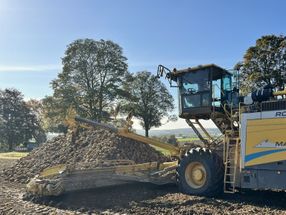
To produce protein, the scale-up company ferments microorganisms that have been reliably used in food production for millennia—turning milk into yogurt, cabbage into sauerkraut, and vegetables into kimchi. Agricultural byproducts such as molasses—a byproduct of sugar production that is produced in large quantities in the agricultural region around Leuna—serve as feed for these microorganisms.
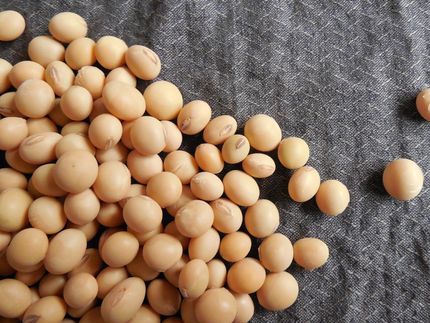
Fermentation takes place in closed stainless-steel tanks: microorganisms absorb the molasses and use it to build proteins. “Our process is similar to that used in brewing, except that ours is much faster, and instead of alcohol, we produce high-quality protein in powder form,” explains Jonathan Roberz. The dried biomass has a crude protein content of over 60 percent—20 percentage points higher than that of a chicken breast—and also contains amino acids, vitamins, and minerals. It takes just 24 hours from the input of raw materials to the finished protein powder—without genetic engineering, regardless of weather conditions, and 365 days a year.
MicroHarvest has already proven that the process works: In November 2023, the company opened a pilot plant covering approximately 200 square meters in Lisbon. The facility initially produced 25 kilograms of single-cell protein per day, thereby providing the first concrete evidence of the process’s scalability. The insights gained from this are now being incorporated into the planning of the large-scale plant in Leuna, which is considered Europe’s first production facility for high-quality protein.
Precise Planning for a Complex New Industrial Facility
Drees & Sommer confirmed the technical and economic feasibility of the project in a feasibility study. In it, the experts analyzed and evaluated the framework conditions for the construction project in Leuna—from regulatory requirements to potential risks. Based on this, the project team examined various planning options for cost-effectiveness and potential for optimization.
With production set to begin in the first half of 2028, the timeline is tight for what needs to be accomplished: “Among other things, we are planning areas for raw material reception, storage, and preparation. In addition, there will be a facility for drying, filling, and packaging the protein, as well as systems to support the fermentation process. Offices, laboratories, building services, and outdoor facilities round out the plan,” explains Manuel Paulick, project manager at Drees & Sommer. Initially, the project team is designing the facility to meet GMP+ certification standards for animal feed production; later, it is intended to be expanded to meet food standards.
In coordination with MicroHarvest and other specialized firms, Drees & Sommer is helping to develop the manufacturing process for this “first-of-a-kind” facility. Currently, Paulick and his team are responsible for the first two planning phases: preliminary planning and design planning for the building and parts of the future fermentation process. In this highly dynamic process, many decisions must be made simultaneously. Coordinating the planning is correspondingly challenging: “From the very beginning, we precisely coordinate numerous technical disciplines, suppliers, client decisions, and approvals and incorporate them into our planning; at the same time, we must not lose sight of the costs,” says Steffen Butz, senior process engineer at Drees & Sommer. To ensure this, the company consolidates the majority of the planning, consulting, and management tasks under one roof.
From Animal Feed to Human Food Ingredients
MicroHarvest initially plans to market its protein in the animal feed sector, particularly in pet food and aquaculture. The first products are already available: Together with the German supplier Vegdog and the British pet food manufacturer The Pack, the company has developed dog treats based on its fermented protein. As soon as approval is granted by the European Food Safety Authority (EFSA) under the Novel Food procedure, the protein will also be available on the human food market—for example, as an ingredient in meatballs or protein bars.
Note: This article has been translated using a computer system without human intervention. LUMITOS offers these automatic translations to present a wider range of current news. Since this article has been translated with automatic translation, it is possible that it contains errors in vocabulary, syntax or grammar. The original article in German can be found here.


Other news from the department Production





Most read news






More news from our other portals


















Something is happening in the food & beverage industry ...
This is what true pioneering spirit looks like: Plenty of innovative start-ups are bringing fresh ideas, lifeblood and entrepreneurial spirit to change tomorrow's world for the better. Immerse yourself in the world of these young companies and take the opportunity to get in touch with the founders.