Ready-to-eat meals with legumes: What's in them?
A market survey by consumer advocacy groups reveals significant differences
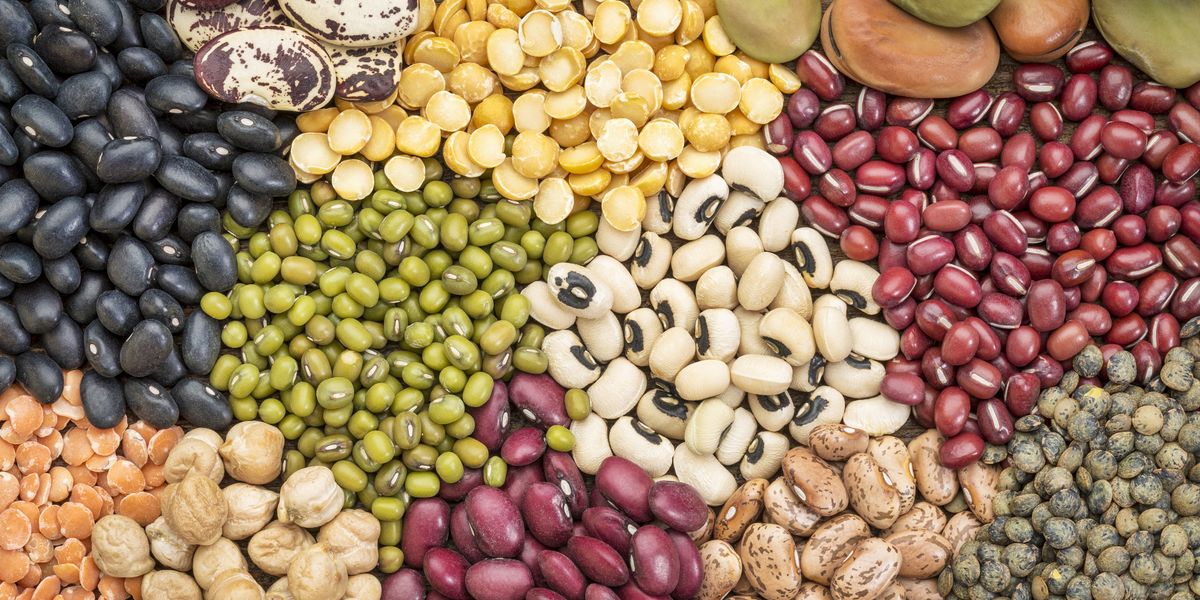
Are ready-to-eat meals containing legumes a good source of protein and fiber? Many product labels at least give that impression. Consumer advocacy groups investigated this question and examined the ingredients of nearly 300 stews, soups, and ready-to-eat meals containing legumes.
They compared the ingredients, advertising claims, and the origin of the beans, lentils, and other legumes. The analysis revealed significant differences in the proportion of legumes as well as in the nutritional content. The nutritional value could be even better if the salt content were lower. Very few manufacturers provide information about the origin of the legumes.
Products Are Often Sources of Protein and Fiber
In the spring of 2026, consumer advocacy groups conducted a nationwide survey of the composition of stews, soups, and ready-to-eat meals containing legumes. A total of 288 food products were scrutinized. Beans, peas, and lentils were the most common ingredients, followed by chickpeas and soybeans. The proportions varied greatly depending on the product. In the ready-to-eat meals category, for example, they ranged from 0.8 to 64 percent. “We recommend taking a look at the ingredient list and nutrition facts panel. That’s where you can see how a product should actually be evaluated,” explains Elisabeth van Thiel, a nutrition expert at the Consumer Advice Center of North Rhine-Westphalia.

The protein content was almost always in good proportion to the energy content. As a result, 263 dishes (91 percent) met the requirements of the Health Claims Regulation for the claim “source of protein.” More than half were even classified as “high in protein.” The stews examined stood out in particular, with three out of four being “high in protein.” For a product to be labeled “high in protein,” 20 percent of its energy content must come from protein. For the “source of protein” claim, 12 percent is sufficient. In addition to legumes, other ingredients such as meat also contributed to the protein content. On average, the protein content in ready-made meals and soups containing meat was significantly higher than in the vegan/vegetarian versions. In the case of stews, the vegan versions scored nearly as high in protein content as the meat-containing products. The fiber content is also impressive: 125 products meet the requirements for either “source of fiber” or “high in fiber.”
Manufacturers Refrain from Using Claims
Surprisingly, the food industry makes little use of this marketing opportunity. Only 44 products (just under one in six manufacturers) use the permitted nutritional claims. “Many foods containing legumes are naturally good sources of protein, even though this isn’t specifically highlighted on the packaging. With specialized protein products, on the other hand, manufacturers make protein content the central selling point, even though it’s often derived from added, highly processed ingredients. Protein is apparently not just a nutrient, but primarily a marketing tool,” says van Thiel.
Nutri-Score in the green-yellow range: Pay attention to sodium content
The consumer organizations were able to determine the Nutri-Score for 221 products; either it was listed on the label or the organizations were able to calculate it based on the labeling: Nearly half of the products with a Nutri-Score (107) received a “A” or “B,” while the other half (113) received a “C.” Only one food item was assigned the unsatisfactory “D” rating. The high proportion of saturated fat from coconut oil played a major role here. One downside was the high salt content of the products examined, averaging 0.9 grams per 100 grams. This prevented them from achieving a better Nutri-Score.
Hardly Any Voluntary Information on Origin
Manufacturers rarely provided voluntary information about the origin of the legumes—they are not required to do so. Only three companies provided information about the country of origin, either directly on the label or via a QR code. To gain more clarity, consumer advocacy groups followed up with 62 manufacturers to find out where the legumes used came from. The result from six responses: Only in isolated cases do the legumes come from Germany. More than half of the legumes come from EU countries. Although legumes are grown in Germany, they are primarily used in animal feed.
Conclusion: For quick meals, ready-to-eat dishes containing legumes can be a good choice, as they are rich in protein and fiber. However, the frequently high salt content is a cause for concern, meaning that not all products can be unreservedly recommended or should be consumed too often. Checking the nutritional information or the Nutri-Score can help in this regard.
Note: This article has been translated using a computer system without human intervention. LUMITOS offers these automatic translations to present a wider range of current news. Since this article has been translated with automatic translation, it is possible that it contains errors in vocabulary, syntax or grammar. The original article in German can be found here.

Other news from the department science