3 things you didn't know about the dairy industry in Europe
Perception versus reality
Advertisement


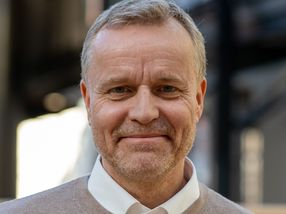
The Dairy Industry in Europe is already much more sustainable than many people think. This is because modern agriculture is still overshadowed by myths and prejudices. In-depth psychologist Jens Lönneker and industry expert Melanie Wegener want to close the knowledge gaps with facts and break down outdated narratives.
milk is deeply rooted in European food culture. Almost everyone in Europe consumes it and considers it essential to their diet. For most, it is an indispensable part of their daily diet, be it in the form of yogurt, cheese or milk. At the same time, many doubt the sustainability of dairy products. Why is that? Many simply don't know how sustainable the dairy industry actually is. This was the result of an international consumer survey conducted by the EU program "Enjoy, it's from Europe" on the topic of milk consumption and sustainability. According to the survey, just 16% of consumers in Europe are aware that the dairy industry is actively working to reduce its emissions.
The image of the dairy industry has suffered greatly due to stereotypes, prejudices and distorted images. In his study "Future builders", depth psychologist Jens Lönneker explores common prejudices against farmers and asks: How can we increase the appreciation of farmers again? The analysis shows that outdated narratives of agriculture exist, which promote ignorance and require education. Although consumers are demanding more animal welfare and sustainability, they still often reach for cheap milk in the supermarket. Lönneker explains this with the so-called mind-behavior gap: perception and behavior do not match, there is a gap between demand and reality. This needs to be closed.
The European dairy industry has been trying to do just that for a long time: to break down outdated thought patterns through dialog and open communication. Let's start with the basics. Everyone should know these three facts about the European dairy industry:
1. dairy farmers in Europe are proactively reducing their emissions
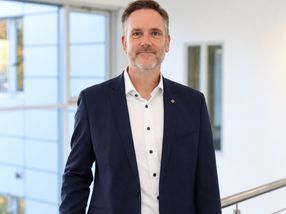
Germany, Ireland, Denmark and Belgium are major milk producers in the EU. Dairy farmers in these countries are working on various ways to reduce their emissions, both digitally and practically on their farms. To this end, they are exchanging ideas with each other, but also engaging in dialog with the outside world and passing on knowledge. "Many programs are already running at European level, for example transparency initiatives on biodiversity or CO2 reduction and social media dialogues," says industry expert Melanie Wegener from Germany's largest dairy cooperative dmk. Farmers from all over Europe share best practices and support each other in their efforts to reduce their carbon footprint. In Germany, for example, the QM sustainability module plays a central role. More than 15,000 farmers are already using the industry tool. The dairy farms, for example, rely on green electricity from photovoltaic systems. In Germany alone, there are more than 9,000 biogas plants that generate electricity from organic waste.
2. Europe's dairy farms use technologies for animal welfare and the environment
Dairy farms operate sustainably on several levels. Firstly, they rely on age-old agricultural cycles and resource-conserving practices that use resources efficiently and recycle waste. Many farms cultivate their feed on nearby land, thereby keeping transportation routes short. On the other hand, modern technologies in the barn such as milking and manure robots, health trackers and other digital solutions benefit the animals. The cows can decide for themselves when they are milked. Slurry, feed residues and manure are fed into the biogas plant or spread on the fields again. "All of this has been happening for a long time, but not everyone has realized it yet," says agricultural expert Wegener.
3 European milk has the smallest CO2 footprint in the world
The CO2 footprint of milk production in Europe is lower than the global average. Globally, it is around 2.4 kg of CO2 equivalents per kilogram of milk, in Europe and Germany it is around 1.1 kg of CO2, and in Ireland it is as low as 0.9 kg. On the one hand, this is thanks to technological progress on farms and emission tracking programs, which farms use to optimize their carbon footprint. On the other hand, the circular economy makes efficient use of resources and avoids the loss of nutrients. Farmers have been working with these natural cycles for many hundreds of years. The European dairy industry is already well on the way to improving its environmental footprint.
Note: This article has been translated using a computer system without human intervention. LUMITOS offers these automatic translations to present a wider range of current news. Since this article has been translated with automatic translation, it is possible that it contains errors in vocabulary, syntax or grammar. The original article in German can be found here.


Other news from the department science