Energy Drinks: Consumption Is Rising Among Schoolchildren
DAK Calls for New Warning Labels on Energy Drinks to Protect Minors

Advertisement


- DAK Prevention Radar: 46 percent of children and 72 percent of adolescents have already used drugs
- DAK CEO Storm Calls for Clearer Warning Labels on Beverage Cans
The consumption of energy drinks has increased significantly among schoolchildren in Germany. 46 percent of children and 72 percent of adolescents have consumed them at least once in their lives. These are the findings of the latest Prevention Radar report by DAK-Gesundheit and the Institute for Therapy and Health Research (IFT-Nord). Compared to the 2020–21 school year, the proportion has risen by more than half among children and by about one-fifth among adolescents in 2025–26. Currently, 33 percent of adolescents consume energy drinks at least once a month—an increase of just under one-third.
“These high-caffeine beverages are particularly concerning for adolescents. They contain a lot of caffeine, are extremely sweetened, and are full of synthetic additives,” says Andreas Storm, CEO of DAK-Gesundheit. “So-called energy drinks do not provide an energy boost; rather, they can lead to significant health problems. We need better labeling of energy drinks that clearly warns of the risks, especially to protect minors.”
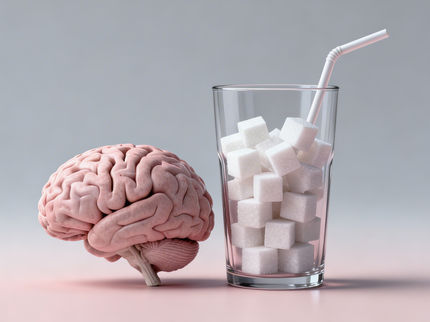
So far, the only legally required warnings on beverage cans or bottles are “High caffeine content” and “Not suitable for children, pregnant women, or nursing mothers.” Manufacturers are currently not required to provide information on specific risks, such as problems with concentration and sleep, or the development of obesity. According to DAK-Gesundheit, such warnings should be included and should specifically identify adolescents as a risk group.
As part of the DAK Prevention Radar, children and adolescents in 5th grade and above at schools in 15 federal states are regularly surveyed about their health behaviors and energy drink consumption. An analysis of data from approximately 107,000 respondents under the age of 16 now shows a significant increase in consumption when comparing the 2020–21 and 2025–26 school years. Currently, nearly one in two children under the age of 13 has tried energy drinks at least once in their life. This so-called lifetime prevalence among children has risen by more than half, from about 30 percent in the 2020–21 school year to 46 percent in the 2025–26 school year.
Among adolescents aged 13 to 15, seven out of ten have already tried energy drinks. In this age group, lifetime prevalence has risen by nearly one-fifth within five years, from 60 percent to about 72 percent.
Currently, 13 percent of children drink energy drinks at least once a month; in the 2020–21 school year, the figure was just under 10 percent. Among adolescents, regular consumption—defined as at least once a month—has increased from about 25 percent to 33 percent. That is an increase of nearly one-third.
“Our data reveal an unfavorable trend: consumption among children and adolescents is rising inexorably,” says Professor Reiner Hanewinkel, director of the Institute for Therapy and Health Research (IFT-Nord), which provides the scientific basis for the DAK Prevention Radar. “Over the entire observation period, we see a significant increase in experimentation as well as new record highs in regular consumption. The time for waiting is over. We can no longer stand by and watch as an entire generation risks its health due to manufacturers’ unregulated influencer marketing.”
Energy drinks are not harmless thirst-quenchers. They typically contain high amounts of caffeine and sugar and pose health risks. Possible acute symptoms associated with energy drinks include sweating, headaches, hyperactivity, difficulty concentrating, and trouble falling and staying asleep.
The European Food Safety Authority (EFSA) has conducted a risk assessment of caffeine for children and adolescents based on body weight. According to this assessment, 3 mg of caffeine per kilogram of body weight—whether as a single dose or spread throughout the day—is not associated with adverse effects in healthy children and adolescents. For a 12-year-old child weighing approximately 45 kilograms, that would amount to 135 milligrams. However, according to IFT-Nord, a standard 500-ml can of an energy drink on the market typically contains 160 milligrams of caffeine—significantly more.
Note: This article has been translated using a computer system without human intervention. LUMITOS offers these automatic translations to present a wider range of current news. Since this article has been translated with automatic translation, it is possible that it contains errors in vocabulary, syntax or grammar. The original article in German can be found here.



Other news from the department science














Most read news










More news from our other portals


























See the theme worlds for related content
Topic world Food safety
Food safety is at the heart of the food and beverage industry. It ensures that the food we eat every day is not only nutritious, but also free of harmful contaminants. From field to plate, the industry monitors and regulates every step of the process with strict quality controls, advanced testing methods and continuous research.
Topic world Food safety
Food safety is at the heart of the food and beverage industry. It ensures that the food we eat every day is not only nutritious, but also free of harmful contaminants. From field to plate, the industry monitors and regulates every step of the process with strict quality controls, advanced testing methods and continuous research.