Biodegradable dishes could transfer gluten to foods
Advertisement


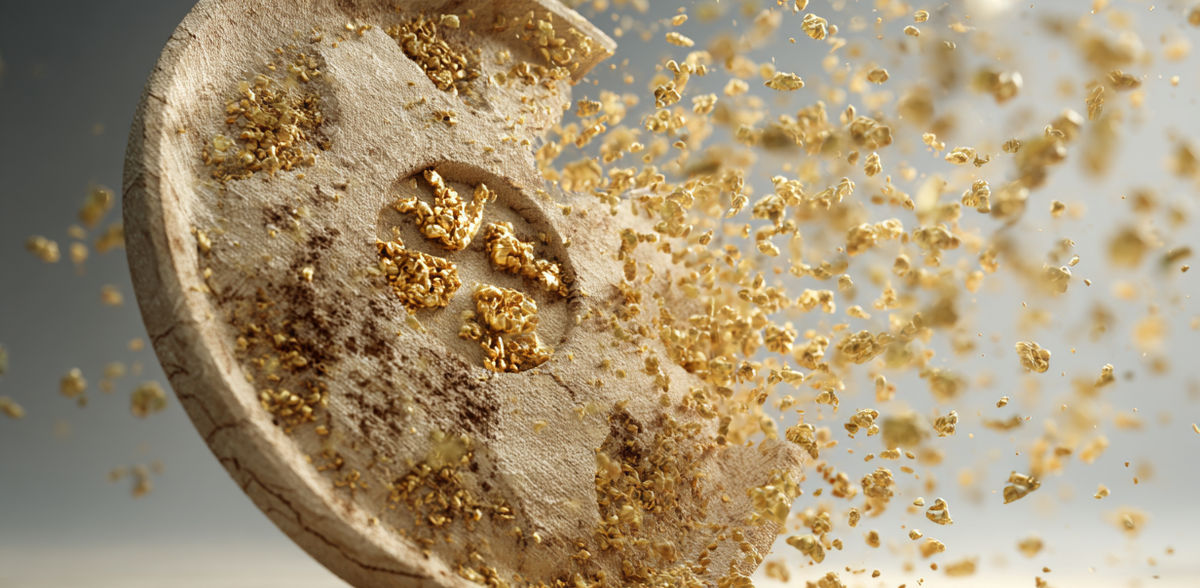
Some biodegradable tableware is made with wheat straw or bran, ingredients that may contain gluten. Researchers tested commercially available biodegradable items, reporting the initial results in ACS’ Journal of Agricultural and Food Chemistry . One plate contained gluten and transferred the allergen into some foods and drinks at levels above gluten-free thresholds. The researchers say that because these products don’t require allergen labels, they could pose a health risk for people who need to avoid gluten.
Biodegradable tableware generally incorporates natural ingredients: fibers from bamboo; sugars from algae; and proteins from milk, eggs, soybeans or wheat. The transfer of allergens from these disposable dishes, cups and straws to foods and drinks isn’t well understood. If a trace of gluten is eaten by someone who has celiac disease or a gluten sensitivity, it could trigger immune reactions, digestive distress or other adverse health outcomes. So, Ángela Ruiz-Carnicer, Isabel Comino and colleagues assessed several biodegradable items for the presence of gluten and whether the allergenic protein transferred to solid and liquid foods under realistic conditions.
The researchers first tested eight separate items, including dishes, cups and straws, that were labeled as biodegradable and made with wheat by-products or other potential gluten-containing materials. Only one of the items — a wheat-containing plate — had detectable gluten.
In 30-minute experiments, gluten-free foods were placed on the different tableware items at room temperature. The foods’ gluten contents were measured and compared against the gluten-free (less than 20 ppm) and low-gluten (less than 100 ppm) regulatory thresholds set by the European Union and the U.S. Food and Drug Administration. Only the gluten-containing plate passed protein into omelet, rice, milk and vegetable cream samples. Significantly less gluten transferred into the solid foods than into the liquids:
Rice: up to 17 ppm, below the gluten-free threshold. Omelet: up to 30 ppm, below the low-gluten threshold. Milk: up to 240 ppm, over the low-gluten threshold. Vegetable cream: up to 2,100 ppm, over the low-gluten threshold.
In some cases, microwaving foods on the dish reduced gluten contamination compared to room temperature samples, and the researchers hypothesize it is because heat denatures the protein and disrupts its transfer into foods.
The researchers urge mandatory gluten labeling for materials that contact food. They say that further work is needed to check whether biodegradable tableware can cross-contaminate food with other allergens (e.g., milk, soy and nut proteins). In the meantime, the team encourages consumers to check the components of their biodegradable tableware to prevent unexpected gluten exposure.
Original publication
Carolina Sousa, Abel Heredia, Lucía de Arcos, Verónica Segura, Ángela Ruiz-Carnicer, Isabel Comino; "Potential Transfer of Toxic Gluten from Biodegradable Tableware to Gluten-Free Foods: Implications for Individuals with Gluten-Related Disorders"; Journal of Agricultural and Food Chemistry, Volume 73, 2025-10-22


Other news from the department science









Most read news







More news from our other portals




















See the theme worlds for related content
Topic world Food safety
Food safety is at the heart of the food and beverage industry. It ensures that the food we eat every day is not only nutritious, but also free of harmful contaminants. From field to plate, the industry monitors and regulates every step of the process with strict quality controls, advanced testing methods and continuous research.
Topic world Food safety
Food safety is at the heart of the food and beverage industry. It ensures that the food we eat every day is not only nutritious, but also free of harmful contaminants. From field to plate, the industry monitors and regulates every step of the process with strict quality controls, advanced testing methods and continuous research.